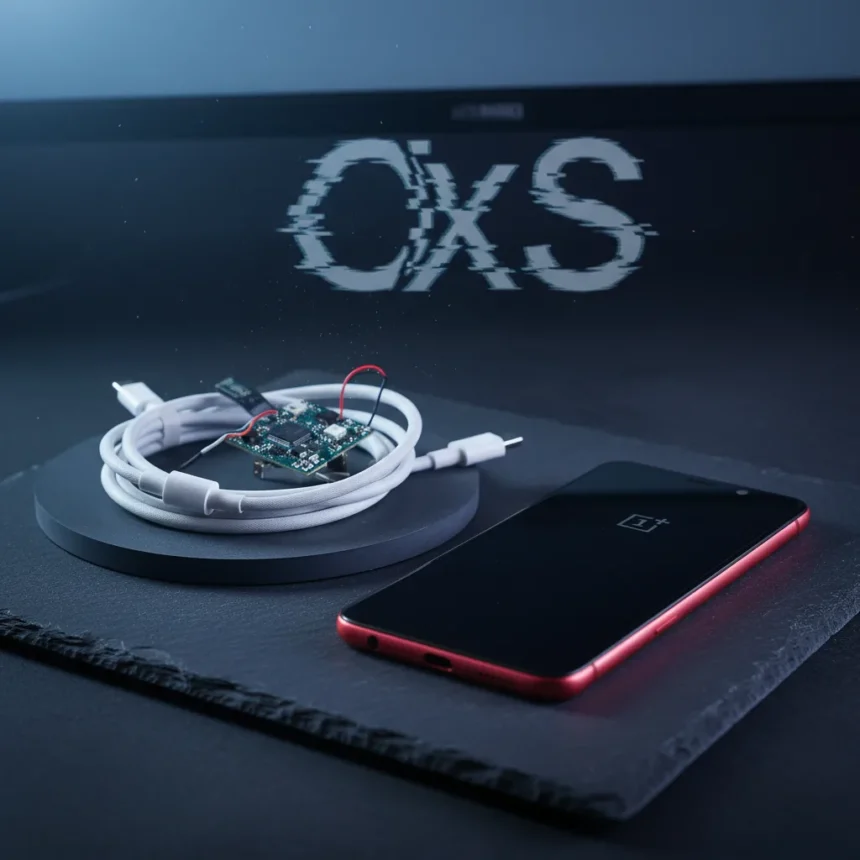
OnePlus has pulled its latest OxygenOS update after boot loop issues forced the company to halt rollout on some devices. The move, while frustrating for users eager to upgrade, represents a rare moment of software caution that actually protects you from a worse problem down the line.
Key Takeaways
- OnePlus halted the latest OxygenOS update after boot loop issues emerged on affected devices.
- Boot loops prevent phones from starting normally, forcing repeated restarts instead.
- The hold is a protective measure, not a permanent cancellation of the update.
- Users should avoid installing the update until OnePlus confirms a fix.
- This situation highlights the risks of rushing software rollouts without adequate testing.
What the OxygenOS Update Pulled Actually Means
When OnePlus pulls an update, it means the company has identified a critical flaw serious enough to stop deployment immediately. In this case, the OxygenOS update caused boot loops on some phones—a condition where a device repeatedly restarts instead of booting into the operating system. This is one of the worst outcomes a software update can cause because it essentially locks users out of their phones until the issue is resolved.
The decision to pull the update rather than let it roll out broadly shows OnePlus recognizing the severity of the problem. A boot loop is not a minor bug or a cosmetic glitch. It renders the device unusable until either the update is rolled back or a patched version is released. For users affected by the initial rollout, this created an urgent support nightmare.
Why You Should Actually Be Glad About This Hold
The instinct is to see a pulled update as bad news. But consider the alternative: OnePlus could have let the buggy version continue rolling out to millions of devices, creating exponentially more support tickets and frustrated users. Instead, the company caught the problem and stopped it, which means your phone is safer right now by not receiving it.


This is a case where inaction is better than action. If you were waiting for the OxygenOS update, the hold protects you from joining the group of users already dealing with restart loops. Your device stays stable and functional while OnePlus engineers work on a fix. The longer you wait, the more likely OnePlus will have released a corrected version that does not carry the same risk.
Compare this to the typical smartphone update cycle where companies push out patches on aggressive schedules regardless of stability concerns. OnePlus choosing to pause and fix the problem before re-releasing it is the responsible approach, even if it delays features or improvements you were anticipating.



What Happens Next With OxygenOS Update Pulled
OnePlus will likely investigate the root cause of the boot loops, patch the issue in the code, and then re-release the update once internal testing confirms the fix works across affected device models. This process typically takes days to weeks depending on the complexity of the problem. Until then, affected users are advised not to manually install the update, and non-affected users should avoid sideloading it from unofficial sources.
The company will communicate the timeline for a corrected release through its official channels and community forums. Users who already installed the buggy version and are experiencing boot loops will need to contact OnePlus support for recovery options, which may involve rolling back to the previous stable version or using OnePlus’s recovery tools.
How This Compares to Other Android OEM Update Issues
Software stability problems during updates are not unique to OnePlus, but how a company responds to them separates responsible manufacturers from careless ones. Some Android makers have been slower to acknowledge or halt problematic updates, leaving users stranded with broken devices for extended periods. OnePlus’s decision to pull the OxygenOS update pulled quickly demonstrates a commitment to user experience over meeting arbitrary rollout schedules.
The boot loop issue also underscores why rushing to install major updates immediately after release carries real risk. Even large, well-resourced companies cannot catch every edge case during internal testing. Waiting a week or two after an update launches gives the broader user base time to identify critical issues, which the company can then address before you install it on your device.



Should You Avoid All OnePlus Updates Now?
No. This single incident does not mean OnePlus updates are inherently dangerous or that you should avoid them permanently. Most updates roll out without major issues. The fact that OnePlus identified and halted this one quickly is actually a sign the company’s quality processes are working, not failing. One pulled update is a far better outcome than a widespread boot loop affecting millions of devices.
What this situation does reinforce is the wisdom of waiting a few days after an update is announced before installing it. Let early adopters catch the bugs. Once a few days pass without major complaints, the update is likely safe to install on your device.
When will the corrected OxygenOS update be available?
OnePlus has not publicly announced a specific timeline for the corrected update release. The company will likely provide an update through its official community channels and support pages once the fix is ready and tested. Check OnePlus’s official forums and support site for announcements rather than relying on unofficial sources.
Can I manually install the pulled OxygenOS update if I want to?
You technically can sideload the update if you find it online, but doing so is not recommended. The whole reason OnePlus pulled it is because it causes boot loops on some devices. Installing a known-broken update defeats the purpose of the hold and puts your phone at serious risk of becoming unusable.
What should I do if my phone already has the buggy OxygenOS update installed?
Contact OnePlus support immediately. The company can provide recovery instructions or help you roll back to the previous stable version. Do not attempt to fix boot loop issues on your own without guidance from official support, as incorrect troubleshooting can make the problem worse.
The OnePlus OxygenOS update pulled situation is ultimately a win for users, even though it feels like a setback. A company that halts a broken update protects its user base far better than one that lets problems spread unchecked. Your patience now means your device stays stable, and a fixed version will arrive once OnePlus confirms it is safe to release.
Edited by the All Things Geek team.
Source: Android Central