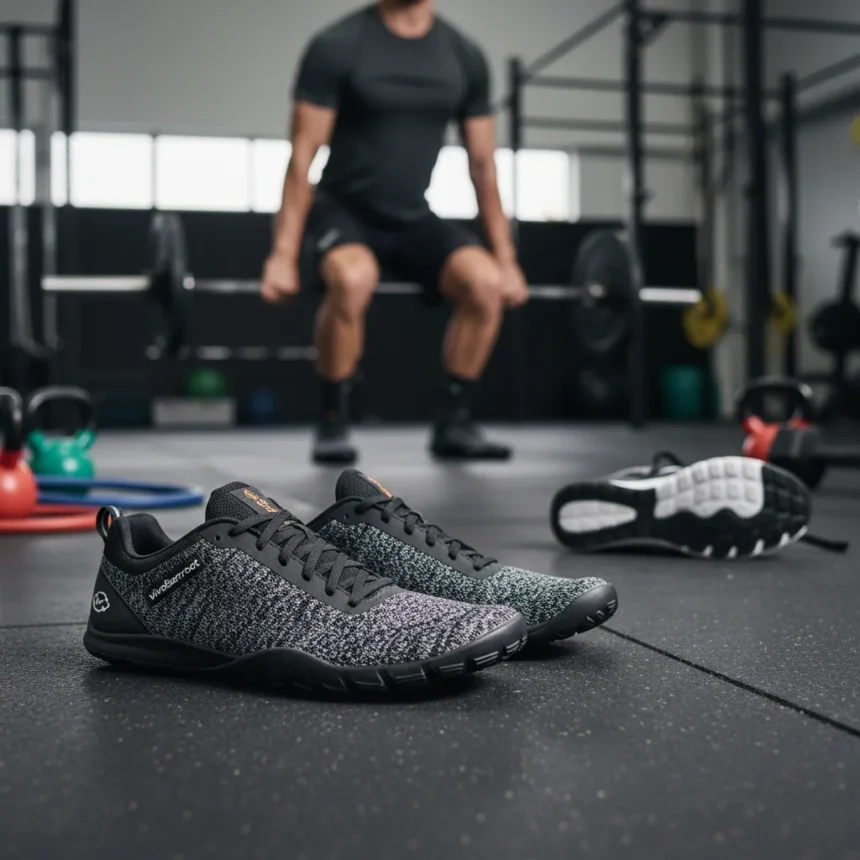
The VivoBarefoot Motus Strength II is a zero-drop barefoot training shoe made by Vivobarefoot, launched as an upgraded version of the original Motus Strength, priced at $220 USD, and available globally through Vivobarefoot.com and regional storefronts. After one month of daily gym use, a TechRadar fitness editor made a surprising discovery: conventional gym shoes suddenly felt like relics.
Key Takeaways
- Zero-drop platform with wide toe box enables natural foot movement during strength training.
- Priced at $220 USD, $20 more than the original Motus Strength model.
- Sock-like wetsuit boot design provides seamless fit with no break-in period required.
- Wider fit addresses original model’s limitations for broader foot anatomies.
- High-flex outsole grips well on gym floors but requires caution on wet surfaces.
Why the VivoBarefoot Motus Strength II Stands Apart
The VivoBarefoot Motus Strength II abandons the cushioning-heavy orthodoxy of traditional gym shoes. Instead of foam stacks and arch supports that isolate your feet, this shoe puts you directly in contact with the ground. That matters more than it sounds. During deadlifts, squats, and explosive movements, proprioceptive feedback—your body’s sense of where your feet are in space—directly affects stability and power transfer. The zero-drop platform keeps your heel and forefoot at the same height, eliminating the artificial forward lean that conventional shoes impose.
The design resembles a wetsuit boot, with an integrated sock-like upper that wraps your foot smoothly. This construction eliminates pressure points and seams that plague traditional gym shoes. Comfort arrived immediately—no painful break-in period, no blistered heels after the first session. The wide toe box, a key upgrade from the original Motus Strength, accommodates broader foot shapes without sacrificing snugness. For lifters who’ve felt cramped in standard shoes, this is a genuine relief.
Performance Across Training Disciplines
The VivoBarefoot Motus Strength II excels across multiple workout styles, not just heavy lifting. High-intensity interval training, functional movement, and daily gym sessions all revealed consistent strengths. The shoe’s lightweight construction and high flexibility allow your foot muscles to engage naturally—your intrinsic foot muscles strengthen with every rep, a benefit you simply cannot get from padded shoes that do the stabilization work for you. Grip on standard gym flooring proved reliable and confident, translating to better foot contact during explosive movements like box jumps and lateral drills.


The minimal padding does require an adjustment period, though not in the way you might expect. Your feet don’t need days to acclimate—discomfort vanishes within a few sessions as your proprioceptive system recalibrates. After that transition, the minimal padding becomes invisible. You stop thinking about your shoes and start thinking about your movement.
Where the VivoBarefoot Motus Strength II Struggles
The $220 price tag positions this shoe at a premium level, and that cost excludes many lifters exploring barefoot training. For those comparing it to other Vivobarefoot models like the PTK or PL3—both respected training shoes—the Motus Strength II justifies its cost through durability and specialized strength-training engineering, but budget-conscious buyers might find those alternatives more practical.



Grip performance falters on smooth or wet surfaces. If you train outdoors or in facilities with polished concrete or wet floors, this shoe demands caution. One London-based tester reported slippery conditions in rain, limiting its all-weather versatility. The bootie-style construction, while comfortable for most, may feel restrictive for lifters with unusually shaped feet—though the wider fit of the II addresses much of the original model’s tightness complaints.
Minimal padding means zero cushioning for impact. This is intentional design, not a flaw, but it represents a philosophical shift from conventional gym footwear. Your joints absorb more direct force, which strengthens them over time but demands gradual adaptation if you’re transitioning from heavily cushioned shoes. One user reported persistent ankle and knee soreness after two months despite acclimation, suggesting that barefoot training compatibility varies by individual biomechanics.
VivoBarefoot Motus Strength II vs. Original Motus Strength
The original Motus Strength established Vivobarefoot’s credibility in strength training, but the II refines the formula meaningfully. The outsole remains unchanged—that proven grippy design carries forward. The major upgrade: width. The original’s bootie construction felt limiting for broader feet; the II widens the fit across the midfoot and heel, accommodating a wider range of foot anatomies without sacrificing the snug, locked-in feel essential for heavy lifting. Agility and flexibility also improved, making the II more responsive during dynamic movements. If you struggled with the original’s fit, the II likely solves that problem.
Should You Buy the VivoBarefoot Motus Strength II?
The VivoBarefoot Motus Strength II makes sense if you prioritize proprioceptive feedback, natural foot strengthening, and versatile training across multiple disciplines. If you lift heavy, do high-intensity work, and value movement quality over cushioned comfort, this shoe delivers. The $220 price is steep, but durability and specialized engineering justify it for serious lifters. If you train casually, prefer maximum cushioning, or work on slippery surfaces regularly, conventional gym shoes remain the safer choice. Vivobarefoot occasionally runs limited-time discounts—codes like OWEN25 have offered 25% off during promotional windows—so monitoring the website for sales makes sense before committing to full price.



Does the VivoBarefoot Motus Strength II require a break-in period?
No. The sock-like upper and seamless construction deliver comfort from day one. Your feet may need a few sessions to adjust to minimal padding and direct ground contact, but physical discomfort during break-in is not part of the experience. This contrasts sharply with many barefoot shoes that demand weeks of gradual acclimation.
How does the VivoBarefoot Motus Strength II grip compare to traditional gym shoes?
The outsole grips standard gym flooring reliably and confidently, offering excellent foot contact during explosive movements and heavy lifts. On smooth, polished, or wet surfaces, however, grip diminishes noticeably. If your facility has standard textured gym flooring, grip is a strength. Outdoor or wet-surface training demands caution.
Is the VivoBarefoot Motus Strength II suitable for beginners?
Yes, with caveats. Beginners benefit from the natural foot engagement and proprioceptive feedback the shoe provides. However, if you transition from heavily cushioned shoes, expect a brief adjustment as your feet and joints acclimate to minimal padding. Gradual progression—starting with lighter loads and shorter sessions—eases this transition. If you have existing foot, ankle, or knee issues, consult a qualified professional before switching to minimal footwear, as barefoot training places different demands on your joints and muscles than conventional shoes.
The VivoBarefoot Motus Strength II represents a genuine philosophical shift in gym footwear: away from isolation and toward engagement. For lifters ready to feel the floor beneath their feet and strengthen the muscles that keep them stable, this shoe delivers. It costs more than alternatives, demands adaptation, and won’t suit every foot or every training environment. But for the right athlete, it becomes indispensable—exactly what happened to the fitness editor who tested it.
Where to Buy
Edited by the All Things Geek team.
Source: TechRadar