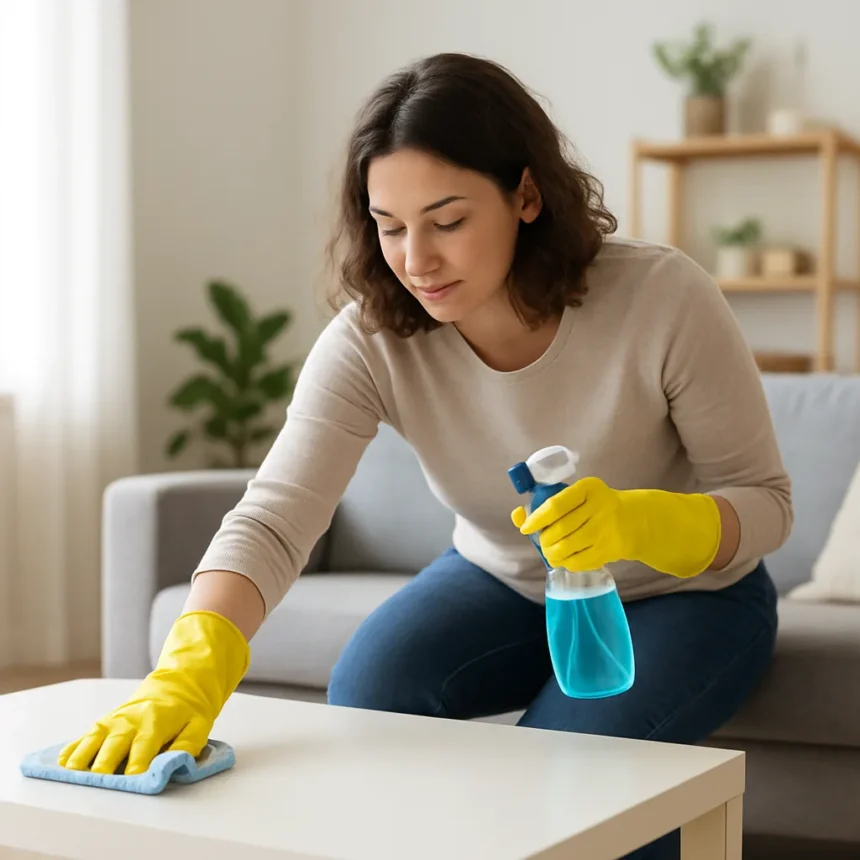
Spring cleaning tips tend to promise transformation but deliver exhaustion — hours of scrubbing, sorting, and reorganising that most people simply do not have time for. The smarter approach is breaking the process into focused 15-minute sessions that target the areas where grime, germs, and clutter actually accumulate. Done consistently, these short bursts outperform the annual deep-clean marathon that gets abandoned halfway through the kitchen.
Why 15-Minute Spring Cleaning Tips Actually Work
The psychology behind short cleaning sessions is straightforward: a defined time limit removes the dread. When you know the task ends in 15 minutes, starting becomes easier. Molly Green’s approach to quick spring cleaning breaks the home into discrete zones, tackling one area per session rather than attempting a whole-house overhaul. The result is momentum — each completed session builds the habit rather than burning it out.
The key is prioritising high-impact areas over low-visibility ones. Wiping down door handles, light switches, and remote controls takes minutes but eliminates some of the most germ-dense surfaces in any home. These are the spots that get touched dozens of times a day and almost never appear on a standard cleaning checklist. Skipping them in favour of scrubbing already-clean surfaces is where most spring cleaning efforts waste time.
The Spring Cleaning Tasks Most People Overlook
Houseplants are one of the most commonly forgotten items in any spring clean. Dust accumulates on leaves, blocking light absorption and making plants look dull — yet most cleaning routines never address them. A damp cloth wiped across each leaf takes seconds per plant and makes an immediate visual difference. It is the kind of task that sounds trivial until you actually do it and notice how much better the room looks.


Shower limescale is another area where a 15-minute habit beats an annual scrub. Rather than letting mineral deposits build up to the point where aggressive chemicals are needed, a quick daily wipe-down after showering prevents limescale from forming in the first place. The comparison here is stark: five seconds of prevention versus twenty minutes of removal. For anyone in a hard-water area, this single habit change pays off within weeks.
Spring Cleaning Mistakes That Undo Your Efforts
Not all cleaning habits are created equal, and some actively make things worse. Certain floor cleaning methods — particularly those involving excess moisture on hardwood or the wrong cleaning solutions on luxury vinyl — can cause lasting damage that no amount of spring enthusiasm will fix. The instinct to use more product or more water for a deeper clean is often wrong. Floors in particular reward restraint: less solution, more frequent passes with a dry or lightly damp mop.



Pest attraction is another unintended consequence of poorly planned spring cleaning. Leaving organic debris near entry points, storing food waste incorrectly during a clear-out, or disturbing nesting areas without sealing them can draw in insects and rodents rather than repelling them. A 15-minute session that moves clutter without addressing the underlying conditions is not just ineffective — it can actively create new problems. The fix is sequencing: seal gaps and dispose of waste properly before moving things around.
How to Build a 15-Minute Spring Cleaning Routine
The most effective approach treats spring cleaning tips not as a single event but as a rolling schedule. Assign each 15-minute slot to a specific zone — bathroom surfaces one day, kitchen appliance exteriors the next, bedroom dust traps the day after. Rotating through the home this way means nothing gets neglected for months at a time, and no single session becomes overwhelming.
Compared to the traditional annual deep clean, this distributed model is both less stressful and more hygienic. A home cleaned in short, regular bursts stays at a consistently higher baseline than one that receives one intense session and then deteriorates for twelve months. The 15-minute framework is not a shortcut — it is a more rational allocation of the same total effort.
What are the quickest spring cleaning tasks to do first?
High-touch surfaces like door handles, light switches, and remote controls are the fastest wins — they take minutes and target some of the germiest spots in any home. Following those, a quick wipe of visible dust from shelves and plant leaves makes an immediate visual impact without requiring any specialist products.



Can spring cleaning really be done in 15 minutes?
Yes, if the goal is one focused zone rather than the whole house. Breaking spring cleaning into 15-minute sessions per area — bathroom, kitchen, living room — makes the process manageable and sustainable. Attempting everything at once is what makes spring cleaning feel impossible.
What spring cleaning habits should I avoid?
Avoid using excess moisture on hardwood floors, which can cause warping and damage over time. Also avoid moving clutter during a clean-out without sealing entry points first, as disturbing debris near gaps can attract pests rather than eliminate them.
The case for short, expert-informed spring cleaning sessions is not about lowering standards — it is about being honest with how people actually live. Fifteen focused minutes, applied consistently to the right targets, will leave a home cleaner and healthier than one heroic weekend that leaves everyone too exhausted to maintain what they started.
Where to Buy
13% OFFHOMEXCELMicrofiber Cleaning Cloth$6.99$7.99shop now | 16% OFFCasabellaPlastic Multipurpose Cleaning Storage Caddy with Handle$14.22$16.99shop now | 27% OFFkelamayiUpgrade Broom and Dustpan Set$18.99$25.99shop now | Clorox ToiletWandDisposable Toilet Cleaning System$24.90shop now
Edited by the All Things Geek team.
Source: Tom's Guide