





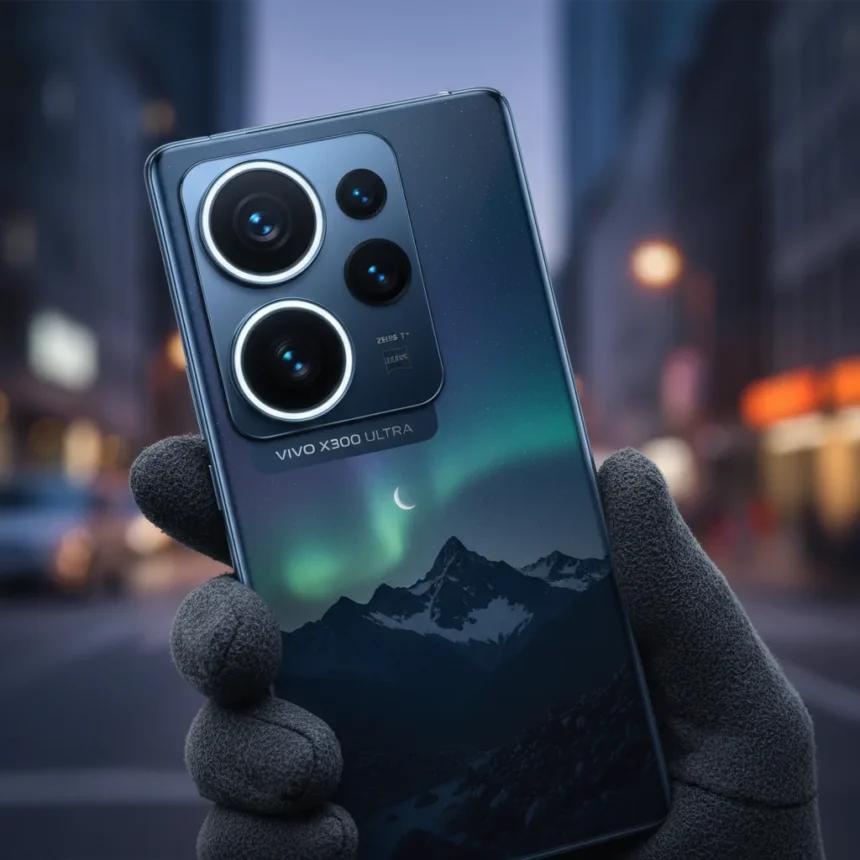
The Vivo X300 Ultra camera system is a 200MP dual-telephoto flagship smartphone made by Vivo, featuring a 1/1.1-inch main sensor and professional-grade video capabilities including 4K 120fps LOG recording with 10-bit color and Dolby Vision support.
Key Takeaways
- 200MP main sensor with 1/1.1-inch size delivers exceptional detail and low-light performance
- Dual 200MP telephoto setup includes 400mm periscope reach for distant subjects
- 4K 120fps LOG video with 10-bit and Dolby Vision enables cinema-grade color grading
- 6.82-inch 2K display at 144Hz refresh rate matches the camera’s visual fidelity
- Four-microphone array with six preset audio modes captures professional-quality sound
The Vivo X300 Ultra Camera: A Week That Changed Expectations
After seven days with the Vivo X300 Ultra, the most striking realization is that smartphone cameras have crossed a threshold most users didn’t notice was approaching. This isn’t incremental improvement. The 200MP main sensor with its 1/1.1-inch imaging surface captures detail that rivals dedicated cameras from just five years ago. Shadows hold texture. Highlights retain information. Colors don’t posterize under pressure. The camera doesn’t just take pictures—it documents the world with authority.
The sensor size matters more than raw megapixels, and Vivo understands this. A 1/1.1-inch sensor on a smartphone is genuinely large. Light collection improves dramatically at this scale, which means low-light shooting becomes usable without the computational nightmares that plagued earlier flagship attempts. Night mode doesn’t feel like a last resort anymore.
Telephoto Reach That Actually Works
The dual telephoto system is where the Vivo X300 Ultra separates itself from competitors. A 200MP periscope telephoto with 400mm equivalent reach sounds like marketing fiction until you use it. Distant subjects snap into focus with clarity that makes you question whether the phone is actually zooming or just showing you a different photo entirely. This isn’t the blurry, computationally reconstructed zoom of older flagships—this is optical reach backed by genuine sensor real estate.



The second telephoto lens completes a versatile zoom range that handles everything from tight portraits to architectural detail work. Where most phones force you into digital zoom territory for anything beyond 10x magnification, the Vivo X300 Ultra’s periscope design keeps image quality intact. For travel photography or sports shooting, this changes the game significantly.
Video: Where Vivo X300 Ultra Camera Capabilities Truly Shine
The video features are where the Vivo X300 Ultra camera reveals its professional ambitions. 4K recording at 120 frames per second is becoming table stakes among flagships, but the LOG color profile with 10-bit depth and Dolby Vision support is not. LOG recording captures significantly more color information than standard video, giving editors massive latitude in post-production color grading. This is the kind of feature that separates phones built for content creators from phones built for everyone else.


The four-microphone array with six preset recording modes handles audio capture with surprising sophistication. Wind noise rejection, directional recording, and stereo separation all work without requiring external gear. For vloggers, journalists, or anyone shooting video on location, this audio capability removes a major limitation that has plagued smartphone video for years.
Display and Build Match the Camera’s Ambition
A 6.82-inch display running 2K resolution at 144Hz refresh rate ensures that the photos and videos you capture actually look good when you review them. This is a detail that matters more than it sounds—a mediocre screen ruins the entire experience of owning a flagship camera phone. The 2K resolution keeps pixel density high while the 144Hz refresh makes scrolling through galleries and reviewing footage feel genuinely smooth, not just nominally faster.
The 6,600 mAh battery supports extended shooting sessions, which matters when you’re experimenting with a camera system this capable. Battery life during heavy photography use isn’t always guaranteed on flagships, but Vivo’s capacity here suggests they understood the power demands of professional-grade imaging.
Where Vivo X300 Ultra Camera Excels vs. Competitors
Compared to other flagship phones, the Vivo X300 Ultra camera’s advantage lies in sensor size and zoom implementation. Many competitors rely on smaller sensors and aggressive computational photography to compensate. The Vivo approach—larger sensor, genuine optical reach, professional video features—appeals to users who want less processing and more direct image capture. The LOG video capability particularly differentiates it from flagships that offer only standard video profiles.


The tradeoff is complexity. More capable systems require more learning. Users expecting automatic excellence might find the Vivo X300 Ultra camera’s depth intimidating. This is a tool for photographers who want control, not a point-and-shoot convenience device.
Is the Vivo X300 Ultra camera worth the flagship price?
For serious mobile photographers, yes. The sensor size, telephoto reach, and video features justify the cost if you actually use them. For casual users, the standard camera modes deliver excellent results without forcing you to engage the professional features. The question isn’t whether the hardware is good—it clearly is—but whether you’ll use what Vivo is offering.
How does the Vivo X300 Ultra compare to previous Vivo flagship cameras?
The research brief does not provide historical comparison data for earlier Vivo camera systems. What can be said is that the 1/1.1-inch sensor size and 4K 120fps LOG capabilities represent significant professional-grade features that position this phone at the top tier of mobile imaging, regardless of predecessors.
What makes the 4K 120fps LOG recording useful?
LOG color profiles capture more color information than standard video, giving you flexibility in post-production color grading. Combined with 10-bit depth and Dolby Vision support, this means you’re not locked into one color interpretation when you shoot. Professional video creators rely on this flexibility.
The Vivo X300 Ultra camera proves that flagship phones can deliver imaging quality that matters to photographers, not just casual snappers. The 200MP main sensor, dual telephoto system, and cinema-grade video features represent a genuine leap forward. Whether you need this level of capability is a personal question, but the fact that it exists, and that it works this well, changes what we should expect from mobile imaging going forward.
Edited by the All Things Geek team.
Source: Android Central