





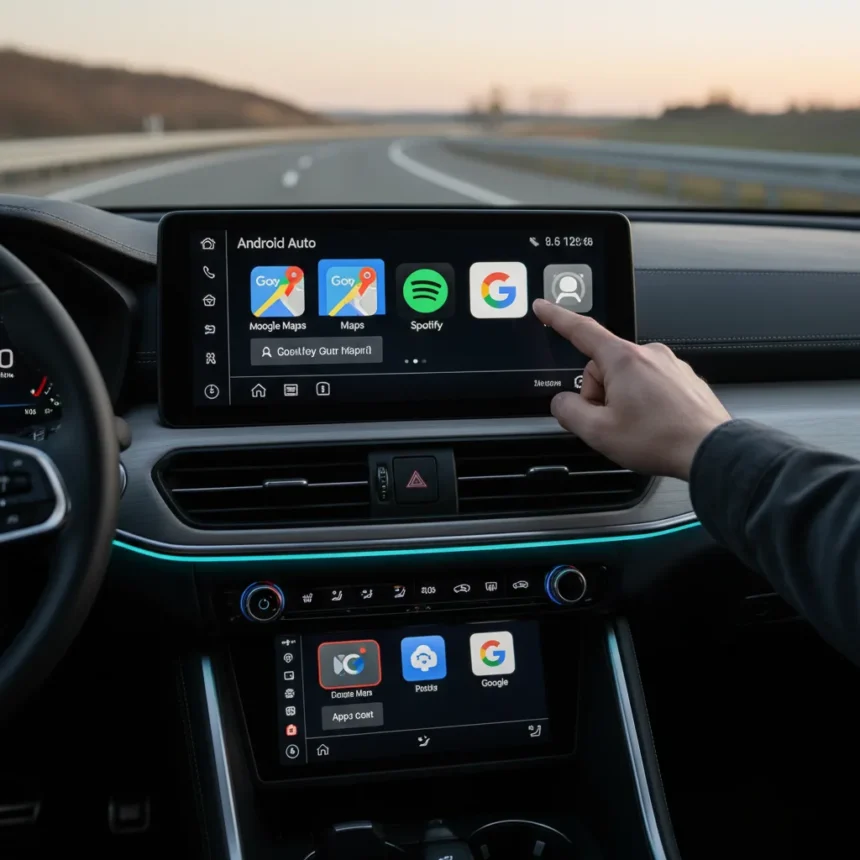
Android Auto is finally getting a useful new Google app integration that Apple CarPlay drivers have already been enjoying for months. This feature parity update addresses a long-standing gap between the two platforms and gives Android users access to functionality their iOS counterparts have had access to for some time.
Key Takeaways
- Android Auto receives new Google app integration previously exclusive to Apple CarPlay
- The update closes a feature gap that existed between the two in-car platforms
- Apple CarPlay users have had access to this Google app for several months
- The integration aims to improve functionality and user experience for Android drivers
- This represents ongoing parity efforts between Android Auto and CarPlay ecosystems
Android Auto Google app Integration Explained
The Android Auto Google app integration represents a significant step toward feature parity between Google’s automotive platform and Apple’s competing CarPlay system. For months, CarPlay users have had access to this Google app functionality, creating a noticeable gap in what each platform could deliver to drivers. Android Auto users can now access the same capabilities, bringing both platforms closer to feature equivalence.
This type of update matters because in-car platforms have become central to how drivers interact with their phones while driving. When one platform has a feature and the other does not, it creates friction for users switching between devices or considering which ecosystem to invest in. Google’s decision to bring this app to Android Auto suggests the company is taking competitive pressure from Apple seriously and recognizing the importance of keeping feature sets aligned.
Why This Matters for Android Drivers
Android Auto users have watched CarPlay accumulate features and integrations over the past several years, sometimes leaving Android users feeling like second-class citizens in the in-car software space. This Google app integration is a concrete example of Android Auto catching up rather than falling further behind. For drivers who spend significant time in their cars, having access to the same apps and functionality as CarPlay users means less frustration and a more cohesive experience across platforms.


The competitive dynamic between Android Auto and CarPlay has historically favored Apple, with CarPlay often receiving new integrations and features first. This update reverses that trend, at least in this instance, and shows that Google is actively working to ensure Android drivers do not feel abandoned. Whether this marks a broader shift toward faster Android Auto updates remains to be seen, but it is a positive signal for users who have grown frustrated with the platform’s slower pace of innovation.
Android Auto vs Apple CarPlay: Feature Parity
Apple CarPlay has maintained an advantage in app availability and integration quality for years, partly because Apple controls both the hardware and software ecosystem and can mandate certain standards from app developers. Android Auto, by contrast, operates across dozens of manufacturers and hardware configurations, making standardization more difficult. The new Google app integration narrows this gap, though CarPlay likely maintains advantages in other areas, such as the breadth of premium audio app support and certain luxury vehicle integrations.


What distinguishes this update is that it is a Google app, meaning Google itself has decided to prioritize Android Auto availability. When the developer of the platform brings their own apps to it at parity with competitors, it signals confidence in the platform’s future and a commitment to keeping Android Auto competitive. This is different from waiting for third-party developers to bring their apps to Android Auto, which often happens months or years after CarPlay availability.
What Drivers Should Know About the Update
If you drive an Android device and use Android Auto regularly, this Google app integration should arrive on your system automatically through a standard update. There is no special action required to enable it, though you may need to ensure your Android Auto app is fully updated and your vehicle’s infotainment system supports the latest version. Compatibility varies by vehicle manufacturer and model year, so older cars may not gain access to this feature even if you update your phone.
The integration works like other Android Auto apps, displaying on your car’s touchscreen and allowing voice control through Google Assistant. This means you can interact with the app without taking your eyes off the road, which is the entire point of in-car integration platforms. If you have been holding off on Android Auto because you felt it lacked certain functionality, this update is worth reconsidering, though you should check whether your vehicle supports the latest Android Auto version before getting too excited.
Is Android Auto finally catching up to CarPlay?
This Google app integration is a meaningful step toward parity, but Android Auto still faces structural challenges that CarPlay does not. Apple controls the entire experience from phone to car, while Android Auto must work across countless vehicle manufacturers and infotainment systems. That fragmentation makes it harder for Google to guarantee consistent experiences, which is why some features may take longer to reach Android Auto. However, updates like this one suggest Google is taking the competitive challenge seriously.

Will this Google app integration work in my car?
Compatibility depends on your vehicle’s infotainment system and when it was manufactured. Most cars from 2015 onward support Android Auto, but you will need to ensure your vehicle’s software is current and that your phone is running a recent version of Android. Check your car’s manual or contact the manufacturer if you are unsure whether your specific model supports the latest Android Auto features.
How does this compare to what CarPlay offers?
CarPlay has historically received app integrations and updates faster than Android Auto, which is why Apple users had access to this Google app first. However, both platforms now support the same core functionality for this particular integration. The broader ecosystem differences remain, with CarPlay generally offering more premium audio app support and tighter integration with luxury vehicle systems, though Android Auto continues to improve in these areas.
This update demonstrates that the gap between Android Auto and Apple CarPlay is narrowing, even if it has not closed entirely. For drivers who have felt frustrated by Android Auto’s slower pace of feature rollouts, the arrival of this Google app integration is a win worth celebrating. Whether Google maintains this momentum with future updates will determine whether Android Auto can finally shed its reputation as the also-ran platform in the in-car software space.
Edited by the All Things Geek team.
Source: T3




