






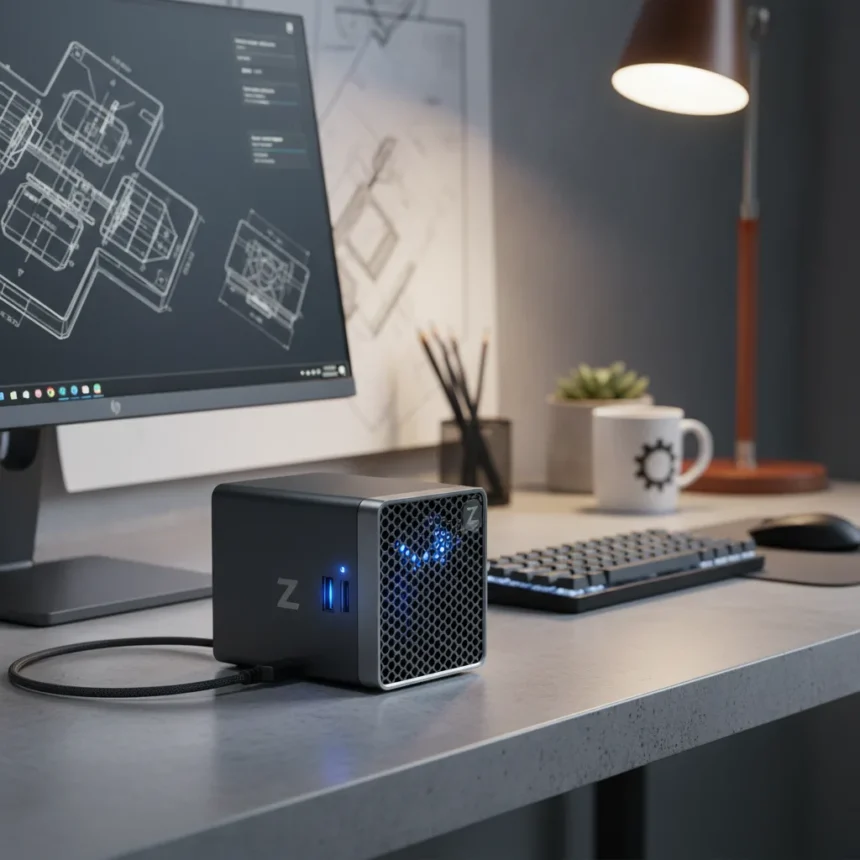
The HP Z2 Mini G1a workstation is a compact system designed to deliver professional-grade computing performance in a tightly packed bundle. This class of machine targets users who need serious processing power but lack the desk space for traditional tower workstations.
Key Takeaways
- Compact form factor delivers workstation-class performance without sprawling desktop footprint
- Designed for professionals requiring CPU-intensive tasks in space-constrained environments
- Represents the balance between portability and processing capability in modern workstations
- Competes in a market segment where size and power must coexist
- Targets creative professionals, engineers, and data analysts with demanding workflows
What Makes the HP Z2 Mini G1a Stand Out
The HP Z2 Mini G1a workstation addresses a specific market gap: professionals who need workstation-class processing but work in compact spaces. Unlike traditional tower workstations that dominate corporate environments, the Z2 Mini G1a prioritizes physical footprint without sacrificing the kind of computational muscle required for rendering, simulation, data analysis, and other processor-intensive tasks.
The compact workstation category sits between consumer laptops and full-size desktop towers. Machines in this class appeal to freelancers, small studios, and professionals with limited desk real estate. The Z2 Mini G1a enters a competitive landscape where form factor is as important as raw specs—every millimeter of space counts when your studio or home office is already stretched thin.
HP Z2 Mini G1a vs. Traditional Workstation Alternatives
Comparing the HP Z2 Mini G1a to other computing form factors reveals why compact workstations matter. Laptop workstations like the Lenovo ThinkPad X1 Carbon offer portability but thermal constraints—the X1 Carbon, equipped with processors like the Intel Core i7-8550U, faced documented thermal and fan noise issues under sustained loads, particularly on the i7 variant. Desktop alternatives demand more physical space, while the Z2 Mini G1a attempts to split the difference.

The trade-off calculation is straightforward: compact workstations sacrifice the cooling capacity and upgrade flexibility of full towers but gain mobility and space efficiency. For users stuck between needing a laptop’s portability and a desktop’s performance, the Z2 Mini G1a’s tight design becomes an asset rather than a compromise. The machine targets professionals who refuse to downgrade to consumer-grade components but cannot accommodate a full-size system.
Performance in a Smaller Package
Delivering jumbo-sized computing performance in a compact chassis requires thoughtful engineering. The Z2 Mini G1a must manage thermal output, power delivery, and component density—challenges that grow exponentially as systems shrink. Professional workstations typically prioritize sustained performance under load, which means efficient cooling and power management become critical design constraints.


Compact form factors force manufacturers to make deliberate choices about which components to prioritize. The Z2 Mini G1a likely emphasizes CPU performance over expandability, given the physical limitations of a mini chassis. This philosophy appeals to professionals whose workflows are compute-bound rather than storage-hungry or graphics-intensive, though modern workstations increasingly handle mixed workloads that demand balance across multiple subsystems.
Who Should Consider the HP Z2 Mini G1a
The HP Z2 Mini G1a workstation is purpose-built for specific user profiles. Freelance motion designers, architects using CAD software, data scientists running simulations, and small creative studios benefit most from compact professional systems. These users need processing power that consumer laptops cannot deliver but lack the space or budget for enterprise-grade tower workstations.
The machine makes less sense for users with unlimited desk space or workflows that demand extensive GPU acceleration, high-speed storage arrays, or frequent component upgrades. Similarly, professionals primarily working with consumer applications may find that a high-end laptop delivers adequate performance at lower cost and with better portability. The Z2 Mini G1a assumes you have already decided that compact form factor is non-negotiable and that professional-grade components justify the premium over consumer alternatives.
Compact Workstations in Today’s Market
The compact workstation segment has grown as remote work and distributed studios become standard. Professionals no longer assume they will work in dedicated office spaces with unlimited real estate. The Z2 Mini G1a enters a market where space efficiency and performance coexist as equally important requirements, not competing priorities.
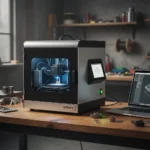

This shift reflects broader changes in how creative and technical professionals work. Smaller, more powerful systems enable flexibility—the ability to set up a professional workspace in a small apartment, a co-working space, or a shared studio. The HP Z2 Mini G1a bets that this trend will continue and that professionals will increasingly demand workstation-class performance from machines that fit on a modest desk.
Is the HP Z2 Mini G1a right for your workflow?
The HP Z2 Mini G1a workstation makes sense if you need professional-grade processing power, have limited desk space, and plan to keep the system stationary (despite its compact size). If you travel frequently or work primarily with cloud-based tools, a laptop remains the better choice. If you have unlimited desk space and rarely move your system, a traditional tower workstation may offer better value and upgrade potential.
How does compact size affect workstation performance?
Compact form factors create thermal and power delivery constraints that can limit sustained performance under heavy loads. The Z2 Mini G1a’s engineering must balance cooling efficiency, component density, and power management to maintain professional-grade performance. Manufacturers typically optimize for the most common workloads rather than worst-case scenarios, which means real-world performance depends heavily on your specific tasks.
What’s the difference between a compact workstation and a high-end laptop?
Compact workstations like the HP Z2 Mini G1a offer better sustained performance, professional-grade components, and often superior cooling compared to laptop workstations. However, they sacrifice portability and typically cost more. Laptops prioritize mobility; compact workstations prioritize performance and space efficiency over mobility, making them better for professionals with a dedicated workspace.
The HP Z2 Mini G1a workstation represents a deliberate design philosophy: performance and compactness can coexist for professionals willing to trade mobility for power. Whether that trade-off aligns with your workflow depends entirely on how you work and where you work. For space-constrained professionals who refuse to compromise on processing capability, compact workstations like the Z2 Mini G1a remain the most practical option available.
Where to Buy
£1,972.94 at Amazon | Check Amazon | £3,234.97 at Amazon | Check Amazon | £3,078.07
This article was written with AI assistance and editorially reviewed.
Source: Creativebloq