The LG OLED C6 is a mid-range 2026 OLED television from LG that signals a genuine shift in what mid-tier TVs can deliver. This isn’t incremental. The C6 pairs a new Alpha 11 Gen 3 processor with upgraded panel technology to crack a problem that has plagued OLED TVs for years: brightness in bright rooms. The result? A TV that challenges far more expensive flagships.
Key Takeaways
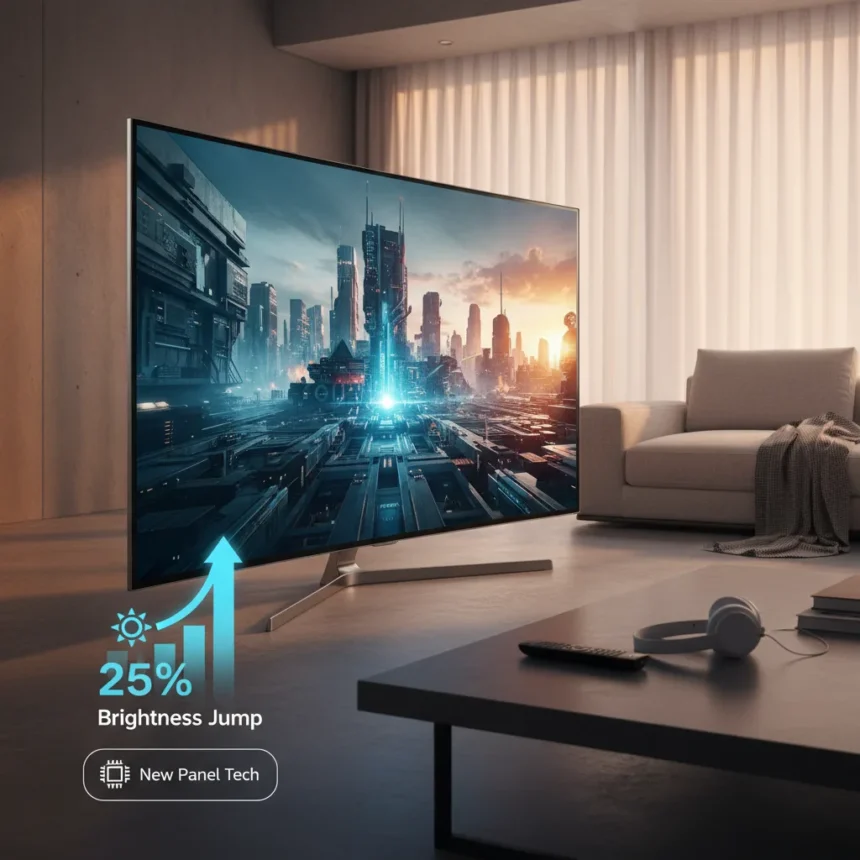
- LG OLED C6 achieves 245 nits fullscreen brightness in HDR, a 25% jump over the C5’s 195 nits
- Larger 77- and 83-inch models use Primary RGB Tandem OLED panels; smaller sizes retain W-OLED technology
- Supports 4K gaming at 165Hz with VRR, up from C5’s 144Hz
- C6H variant uses the same panel as LG’s flagship G6 but with inferior anti-reflection coating
- Competitive pricing positions it as the best value OLED for most users despite reflection limitations
LG OLED C6 Brightness Finally Breaks Through
Brightness has been the Achilles heel of OLED TVs in daylit rooms. The LG OLED C6 changes that equation. The new Alpha 11 Gen 3 processor drives fullscreen brightness to 245 nits in Filmmaker mode HDR—a 50-nit improvement over the already-solid C5. That’s not a marginal tweak. For a mid-range TV, that’s a statement. The C6 proves processing can make a real difference, delivering a brighter, richer, and more refined OLED picture than its already excellent predecessor.
The brightness gain matters most in larger screen sizes. The 77- and 83-inch models use Primary RGB Tandem OLED panels—the same advanced technology LG reserves for its pricier models. Smaller sizes (42, 48, 55, and 65 inches) stick with traditional W-OLED, which explains why brightness performance varies across the lineup. If you’re buying a C6, size selection directly impacts real-world performance.
What separates the C6 from LG’s flagship G6 is the anti-reflection coating. The G6 layers on Perfect Black technology and Hyper Radiant Colour for superior contrast and color intensity. The C6 delivers more brightness and richer colors than before, but without that premium glare-fighting layer. It’s the trade-off that keeps the price reasonable.



Processing and Gaming Gains That Actually Matter
The Alpha 11 Gen 3 processor isn’t just about brightness. It handles upscaling with visible refinement, adds depth to 3D rendering, and preserves naturalism in darker scenes—a balancing act many TVs botch. For gamers, the C6 now supports 4K at 165Hz with variable refresh rate, up from the C5’s 144Hz ceiling. That’s a meaningful leap for competitive gaming and fast-action content.
The LG OLED C6 signals a turning point for the much-loved mid-range OLED TV series, bringing next-generation panel technology and flagship-level processing to a price point that doesn’t require a second mortgage. Processing gains deliver more intense highlights, richer colors, greater depth, and 3D vibrancy while retaining naturalism—the hallmark of genuine refinement rather than artificial enhancement.



Where the C6 Falls Short Against Rivals
The C6H variant deserves special attention. It uses the Primary RGB Tandem 2.0 panel found in LG’s G6 flagship, boosting brightness and color vibrancy significantly. But it still lacks the G6’s superior anti-reflection polarizing layer, making reflections a real issue in bright rooms. You get flagship panel tech with mid-range anti-glare protection—a compromise that works for some rooms, not others.
Samsung’s S90H remains competitive, especially at 77- and 83-inch screen sizes. The LG OLED C6 outshines it on brightness and processing, but Samsung’s own OLED technology holds its own in specific use cases. For most people, though, the C6’s brightness advantage and price positioning make it the stronger choice.
Should You Buy the LG OLED C6?
Yes, if you want flagship brightness without flagship pricing. The C6 is a truly brilliant TV from every angle tested so far. It improves meaningfully over the C5 in ways that matter daily: brightness, gaming performance, and color richness. The reflection issue is real—you’ll notice it in bright sunlit rooms—but it’s the cost of avoiding the G6’s premium price tag.
Pick a larger screen size (77 or 83 inches) if brightness is your priority. The Primary RGB Tandem panel in those sizes delivers the full generational leap. Smaller sizes with W-OLED are still excellent, just less revolutionary. The C6H is worth considering if your room gets intense sunlight and you want maximum brightness, but the standard C6 delivers better overall value for most setups.



How does the LG OLED C6 compare to the C5?
The C6 is a bigger step forward than the C5 was over the C4. Brightness jumps 50 nits, gaming refresh rates climb from 144Hz to 165Hz, and processing quality shows visible improvements in shadow detail and color vibrancy. If you own a C5, the upgrade is meaningful. If you own a C4 or older, the C6 is a generational leap worth considering.
What’s the difference between the C6 and C6H?
The C6H uses the same Primary RGB Tandem 2.0 panel as LG’s G6 flagship, making it brighter and more vibrant than the standard C6. However, it lacks the G6’s advanced anti-reflection coating, so reflections remain an issue. Choose C6H if brightness is your top priority and you can tolerate reflections; choose standard C6 if you want balanced performance at a lower price.
Why does panel size matter for the LG OLED C6?
The 77- and 83-inch models use Primary RGB Tandem OLED, delivering the full brightness and color benefits of the new panel technology. Smaller sizes (42, 48, 55, 65 inches) use traditional W-OLED, which is still excellent but doesn’t unlock the same brightness ceiling. Screen size directly determines which panel you get, so it’s a critical buying decision.
The LG OLED C6 isn’t a revolutionary TV—it’s a refinement that finally solves the brightness problem mid-range OLED buyers have been waiting for. Reflections remain a compromise, and the flagship G6 still offers superior anti-glare technology. But for most people in most rooms, the C6 delivers flagship-level brightness and processing at a price that makes sense. That’s rare in premium TV markets.
Where to Buy
LG OLED evo AI C6 48-inch TV (2026) | LG OLED evo AI C6 55-inch TV (2026) | LG OLED evo AI C6 4K Smart TV (2026)
Edited by the All Things Geek team.
Source: T3