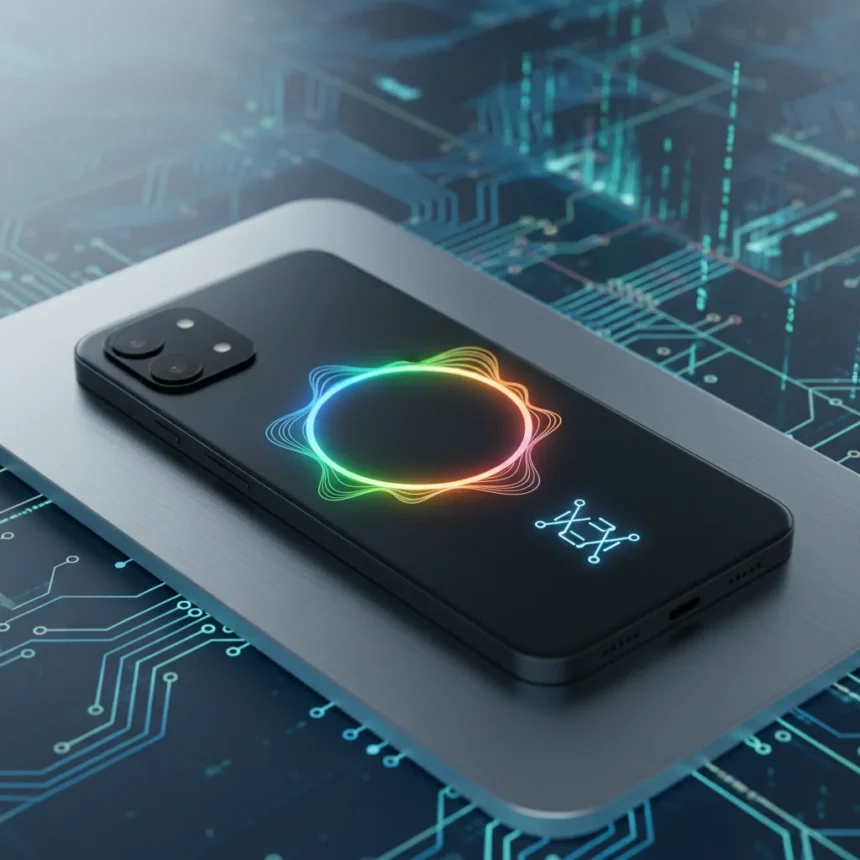
Pixel Glow notification feature is a hardware-based alert system using subtle light and color on the back of Pixel devices to notify users of important activity when the phone is face down. Discovered in Android 17 Beta 4 code, the feature represents Google’s latest attempt to blend AI with physical hardware in ways competitors have barely explored. This is not just another software notification tweak—it requires dedicated RGB LED hardware, meaning it will only arrive on future Pixel phones, likely the Pixel 11 series or later.
Key Takeaways
- Pixel Glow uses RGB LEDs on the device back to display notifications when the phone is face down
- The feature integrates Gemini AI for hands-free visual cues that the assistant is listening
- Discovered in Android 17 Beta 4, with earlier references in Beta 2 as “Light animations”
- Requires dedicated hardware lights, ruling out existing Pixel phones
- May expand to Pixel laptops, transforming the feature from a phone-only trick to an ecosystem feature
What Pixel Glow notification feature actually does
The Pixel Glow notification feature lights up when favorite contacts call and during hands-free Gemini interactions, providing a visual cue that the assistant is actively listening. When your phone sits face down on a table, the back lights up with subtle color patterns instead of forcing you to pick it up and check the screen. This ties directly into Google’s Digital Wellbeing initiative, which encourages users to reduce phone pickups and screen time. The system goes beyond existing Flash notifications, which simply use the camera flash as a crude alert mechanism.
The feature’s scope extends further than basic notifications. Code leaks suggest integration with call screening, notification prioritization, and focus modes, making Pixel Glow a central nervous system for how your phone communicates with you. Think of it as Nothing Phone’s glyph interface—the LED lights on the back that display notifications—but evolved and tied to Google’s AI ecosystem. The difference is significant: Nothing’s glyphs are static light patterns, while Pixel Glow appears designed to respond dynamically to Gemini interactions and priority contacts.
Why the Pixel Glow notification feature matters now
Google is quietly building something that could transform the lineup beyond the Pixel 11, according to leaks analyzed by tech publications. The feature signals a shift in how Google thinks about hardware and software integration. Rather than cramming more AI features into software, Google is using physical hardware—RGB LEDs—as the interface for AI notifications. This is a fresh approach to AI-hardware synergy that most competitors have not attempted.



The timing is crucial. Android 17 Beta 4 includes expanded Pixel Glow code, building on earlier beta references, which suggests Google is moving toward production readiness. This is not vaporware—it is actively being tested in developer builds. The feature’s appearance across multiple Android 17 beta versions indicates Google sees this as a core part of its next-generation Pixel identity, not an experimental side project.
Potential ecosystem expansion beyond phones
The most ambitious aspect of Pixel Glow notification feature leaks is the hint at Pixel laptop integration. If Google brings light-based notifications to its laptops, the feature stops being a phone gimmick and becomes part of a broader ecosystem narrative. Imagine your Pixel laptop’s edge lighting up when Gemini needs your attention or when a priority message arrives. This would differentiate Pixel devices from competitors in a tangible, visible way—something users can actually see and feel, not just read in a spec sheet.



This expansion potential is why some observers see Pixel Glow as more meaningful than another round of AI features. “Preferable to yet more AI features or a jumped-up flashlight,” one Android Police reviewer noted. The feature offers a genuinely different way to interact with notifications without requiring you to unlock your phone or glance at the screen.
What we do not know yet
Google has not officially confirmed Pixel Glow notification feature or announced hardware specifications, launch dates, or regional availability. All details come from code leaks in Android 17 betas, which means the final product could differ significantly. The feature’s scope, LED array size, color palette, and integration depth remain speculative. Some critics worry that Pixel Glow is a distraction from core issues like battery life and performance, or that it represents over-reliance on AI gimmickry rather than meaningful innovation.
The Pixel 11 itself remains unconfirmed. While reports suggest the device is expected around 2026, Google has not detailed hardware upgrade scope beyond rumors. Pixel Glow’s hardware requirements mean it cannot arrive on current Pixel phones—the necessary LED infrastructure simply does not exist on Pixel 9 or Pixel 10 devices.
Is Pixel Glow notification feature a gimmick or innovation?
Pixel Glow notification feature occupies an interesting middle ground. It is not revolutionary—light-based notifications exist on other phones. But it is more thoughtful than most notification systems because it respects the “phone face down” use case that Digital Wellbeing emphasizes. If executed well, it could become a signature Pixel feature that competitors copy. If done poorly, it becomes another flashy feature that drains battery and distracts users.


Will Pixel Glow notification feature actually launch?
Code in Android 17 Beta 4 suggests serious development, but beta code does not guarantee shipping products. Google has killed features in late beta stages before. However, the consistent appearance of Pixel Glow references across multiple beta versions, paired with hints at ecosystem expansion, suggests this is not a throwaway experiment. If Google commits resources to Pixel laptop integration, the feature is likely real.
How does Pixel Glow notification feature compare to Nothing Phone glyphs?
Nothing Phone’s glyph interface displays static light patterns for notifications and calls. Pixel Glow notification feature appears designed to integrate with Gemini AI, responding dynamically to hands-free interactions and priority contacts. Both use RGB LEDs on the back, but Pixel Glow’s AI tie-in and Digital Wellbeing integration suggest deeper ecosystem thinking. Nothing’s glyphs are elegant but static; Pixel Glow aims to be responsive and contextual.
The Pixel Glow notification feature represents Google betting on a different kind of innovation—one that combines hardware, software, and AI into a cohesive experience. Whether it succeeds depends on execution and whether users actually value subtle light cues over traditional vibration and sound alerts. The rumor mill suggests Google is betting they will.
Edited by the All Things Geek team.
Source: Android Central