





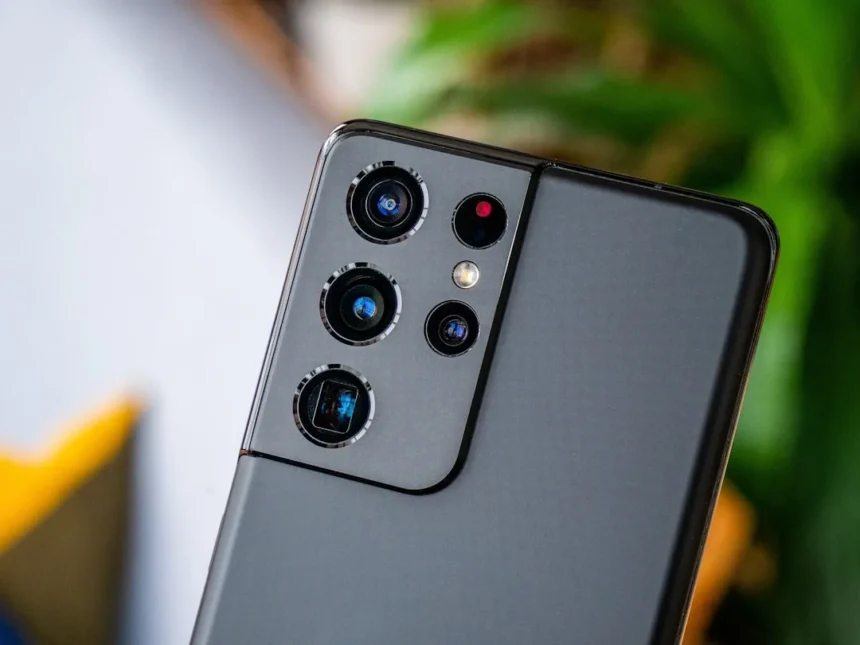
The Samsung Galaxy S27 Ultra camera is at a crossroads. According to reporting, Samsung is considering dropping the widely criticized 3x telephoto lens in favor of a more substantial camera upgrade, but the move exposes a fundamental tension in flagship phone design: what matters more, versatility or raw capability?
Key Takeaways
- Samsung may remove the 3x zoom lens from the Galaxy S27 Ultra, calling it redundant in the current camera system.
- The potential upgrade would replace the 3x with a more significant camera advancement, though details remain speculative.
- Photographers and reviewers have long questioned whether the 3x lens serves a genuine purpose between the standard and 10x zoom options.
- The move reflects Samsung’s broader struggle to justify multiple zoom lenses in an increasingly crowded flagship market.
- Any camera redesign will face comparison to competitors offering different telephoto strategies.
Why Samsung Sees the 3x Zoom as Redundant
The 3x telephoto lens has been a fixture of Samsung’s Ultra lineup for years, but it occupies an awkward middle ground. Between the main sensor’s digital zoom and the 10x periscope lens, the 3x option often feels like a compromise that satisfies neither wide-angle enthusiasts nor serious zoom photographers. Samsung’s internal assessment that it is redundant aligns with what many reviewers have quietly acknowledged: the 3x lens rarely justifies its hardware footprint or the complexity it adds to the camera module.
This reasoning makes sense from an engineering perspective. Removing the 3x allows Samsung to allocate the physical space, power budget, and manufacturing complexity toward a more meaningful upgrade. Whether that means a larger main sensor, improved low-light performance, or an entirely different focal length remains unclear, but the principle is sound. Smartphone cameras have finite real estate, and every millimeter counts.
Samsung Galaxy S27 Ultra Camera: What Could Replace It
The exact nature of the replacement upgrade has not been detailed, but the possibilities are telling. Samsung could pursue a larger main sensor to improve light-gathering capability and reduce noise in dim conditions. Alternatively, the company might introduce a different telephoto focal length that fills a gap more effectively than 3x does. Some analysts have speculated about enhanced periscope technology or computational photography breakthroughs, though these remain unconfirmed.


What matters is that Samsung recognizes the need to justify the space. A lateral move—swapping one zoom lens for another of similar capability—would be pointless. The upgrade must feel like a genuine improvement, not a shuffle of existing technology. This is where Samsung’s reputation for camera innovation will be tested.
How This Compares to Competitor Strategies
Other flagship manufacturers have taken different approaches to the zoom question. Some competitors offer fewer but more powerful zoom lenses, while others embrace multiple focal lengths at varying magnifications. The fact that Samsung is reconsidering its strategy suggests the current 3x-10x combination is not delivering the user satisfaction or marketing advantage the company hoped for. Removing the 3x represents an admission that less can sometimes be more, provided the remaining options are compelling enough.



This shift also reflects a maturing smartphone market where every hardware choice must be defensible. Early flagship cameras could justify experimental lenses because the category itself was new. Today, consumers expect clarity on why a feature exists. A zoom lens that sits between two stronger options fails that test.
What This Means for Mobile Photography
If Samsung proceeds with this change, the Galaxy S27 Ultra will force photographers to make a choice: rely on the main sensor’s digital zoom for mid-range subjects, or jump to the 10x periscope for distant scenes. This is a narrower range than before, but it may actually encourage better composition habits. Photographers forced to choose between two focal lengths often produce more intentional work than those with three options.
The upgrade also signals that Samsung believes the future of mobile zoom lies in computational techniques and sensor improvements rather than adding more lenses. If the company pairs the removal of 3x with meaningful advances in AI-driven zoom or sensor technology, the trade-off could be worth it. If the Galaxy S27 Ultra simply loses a lens without a tangible benefit, the decision will feel like cost-cutting disguised as design philosophy.
Is the 3x lens actually redundant?
The 3x telephoto has always occupied an awkward position in Samsung’s camera hierarchy. With the main sensor capable of reasonable digital zoom and the 10x periscope handling distant subjects, the 3x lens often feels like a compromise that frustrates rather than delights photographers. Most reviewers and users gravitate toward either the main lens or the 10x, making the 3x a feature used less frequently than its hardware footprint might suggest.



What could Samsung put in place of the 3x lens?
Samsung has not confirmed what will replace the 3x lens, but logical candidates include a larger main sensor for improved low-light performance, a different telephoto focal length that fills a gap more effectively, or enhanced computational photography features. The company could also pursue improvements to the periscope zoom or introduce entirely new camera technology that benefits the overall system more than a third zoom lens does.
Will other phone makers follow Samsung’s lead?
If Samsung’s decision proves popular and the Galaxy S27 Ultra’s camera is genuinely superior without the 3x lens, competitors will likely reconsider their own multi-lens strategies. The smartphone industry watches Samsung’s camera choices closely, and a successful simplification could start a trend toward fewer but more capable lenses across the flagship market.
The Samsung Galaxy S27 Ultra camera redesign is not just about removing a lens—it is about answering a harder question: what do photographers actually need? If Samsung nails the answer, the move could reshape flagship phone design. If it misses, the company will have sacrificed versatility for an upgrade that does not justify the trade-off. Either way, the decision forces the entire industry to reconsider what a flagship camera should be.
This article was written with AI assistance and editorially reviewed.
Source: Tom's Guide