





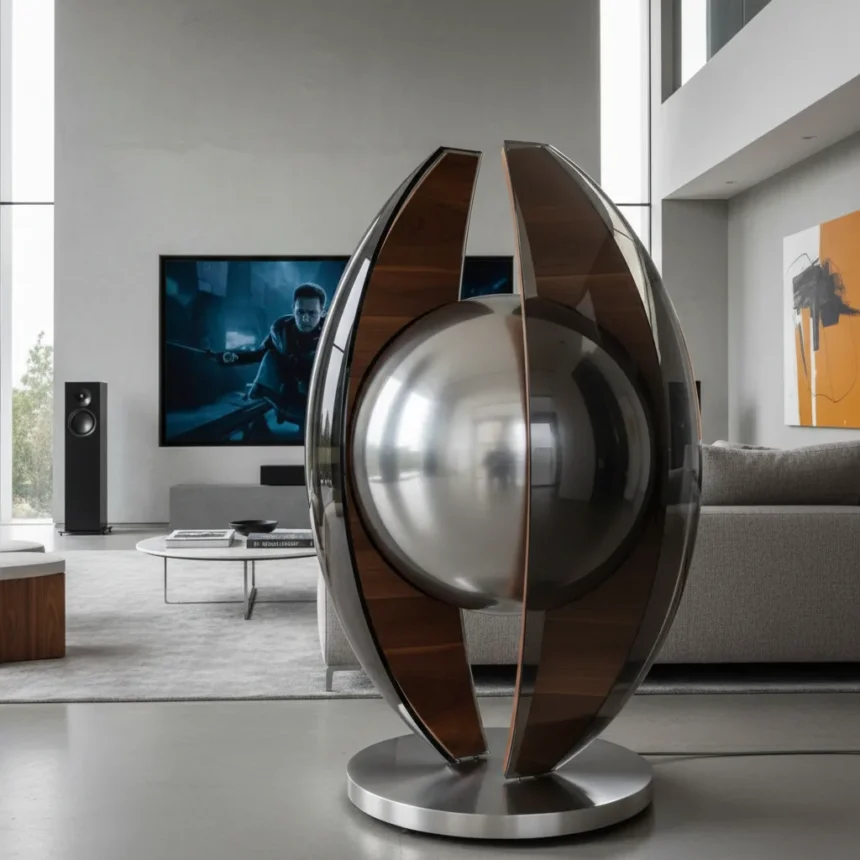
REL’s unconventional subwoofer design represents a fundamental shift in how manufacturers approach bass reproduction hardware. Rather than hiding the subwoofer in a corner or disguising it as furniture, this new model demands attention as a visual centerpiece while delivering the low-frequency performance that serious listeners expect.
Key Takeaways
- REL’s unconventional subwoofer design challenges traditional bass cabinet aesthetics
- The product works equally well in home cinema and hi-fi music systems
- Positioning as a statement piece means visual design matters as much as acoustic performance
- The unconventional approach addresses a long-standing compromise in subwoofer placement
- This design philosophy separates REL from competitors focused on invisibility
Why Subwoofer Design Matters More Than Ever
For decades, subwoofers occupied an awkward middle ground in home audio. They needed to disappear visually while remaining essential acoustically. Manufacturers responded by building black boxes designed to hide behind sofas or vanish into equipment racks. But that compromise meant accepting poor placement for acoustic performance in favor of aesthetic concealment. REL’s unconventional subwoofer design rejects this entirely, treating the cabinet itself as a design object worthy of display.
The shift reflects changing attitudes toward audio equipment in modern homes. Vintage turntables, statement speakers, and boutique amplifiers now sit openly on shelves and stands. Listeners increasingly view quality audio gear as interior design elements, not technical embarrassments to be hidden. A subwoofer that looks intentional rather than accidental fits naturally into this aesthetic evolution.
Unconventional Subwoofer Design in Practice
What makes REL’s unconventional subwoofer design genuinely unconventional matters. Rather than pursuing visual minimalism or aggressive modernism, the product takes a different architectural approach that distinguishes it from conventional rectangular bass cabinets. This design choice affects not just appearance but how the subwoofer integrates into different room layouts and acoustic environments.



The unconventional subwoofer design allows placement flexibility that traditional models cannot match. Listeners no longer face the choice between ideal acoustic positioning and acceptable visual integration. Instead, the design works in both scenarios simultaneously, which fundamentally changes how people approach room setup for home cinema or hi-fi listening.
Home Cinema vs. Hi-Fi Performance
REL positioned this unconventional subwoofer design to serve both home cinema and hi-fi music playback equally. That dual-purpose approach matters because most subwoofers optimize for one use case at the expense of the other. Movie soundtracks demand dramatic impact and physical presence. Music reproduction requires subtlety, articulation, and seamless integration with main speakers. The unconventional subwoofer design appears to bridge that gap through thoughtful engineering rather than compromise.



For home cinema applications, the visual statement of the unconventional subwoofer design actually enhances the experience. A subwoofer that looks intentional strengthens the impression of a dedicated entertainment space rather than undermining it. For hi-fi listening, the same design confidence eliminates the visual apology that conventional subwoofers create in listening rooms.
How This Challenges the Competition
Most subwoofer manufacturers compete on invisibility or minimal footprint. They measure success by how effectively a subwoofer hides. REL’s unconventional subwoofer design inverts that entire philosophy. By making the product visually distinctive, REL forces competitors to defend their approach rather than simply following the same playbook.
This positioning also addresses a real pain point that conventional design never solved. Buyers with taste and budget for quality audio equipment often reject subwoofers altogether because they cannot accept the visual compromise. REL’s unconventional subwoofer design converts that rejection into acceptance by making the visual element part of the value proposition rather than an obstacle to overcome.
Integration Into Modern Home Spaces
The unconventional subwoofer design works because contemporary interior design increasingly embraces visible technology. Open shelving, statement lighting, and visible speaker systems have become mainstream. A subwoofer that looks intentional fits this aesthetic naturally. It signals investment in audio quality rather than creating visual clutter.



Placement flexibility matters enormously in real homes. Not every listening room has an ideal bass corner. The unconventional subwoofer design that works visually in multiple locations removes a major practical constraint that conventional designs impose. A subwoofer that looks appropriate on an open wall performs better acoustically and visually than one hidden behind furniture or equipment.
Does the unconventional subwoofer design actually improve sound quality?
Visual design alone does not determine acoustic performance. What matters is whether the unconventional subwoofer design choices—its shape, cabinet construction, driver configuration, and internal architecture—produce better bass reproduction than conventional approaches. The design serves both aesthetic and acoustic functions simultaneously.
How does REL’s unconventional subwoofer compare to traditional designs?
Traditional subwoofers prioritize acoustic performance while accepting visual compromise. REL’s unconventional subwoofer design treats visual presence as equally important, which changes placement options, room integration, and overall listening experience. The difference is philosophical as much as technical.
Will the unconventional subwoofer design work in any room?
The unconventional subwoofer design offers more flexibility than conventional rectangular cabinets, but acoustic performance still depends on room dimensions, materials, and listening position. Visual design solves the placement compromise, but bass response still requires proper positioning relative to listening areas.
REL’s unconventional subwoofer design represents a genuine departure from industry convention. By treating the subwoofer as a statement piece rather than a necessary evil, the company addresses both the acoustic and aesthetic requirements of modern listeners. For anyone who rejected subwoofers because of visual concerns, this approach finally offers a compelling alternative.
Edited by the All Things Geek team.
Source: What Hi-Fi?




