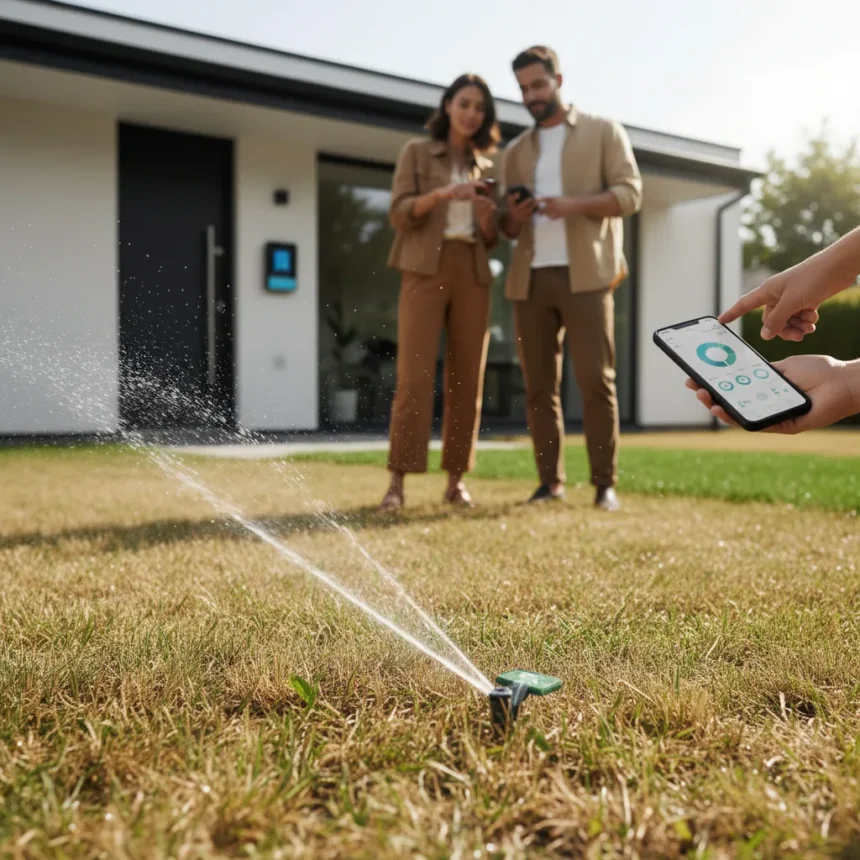
Lawn watering frequency summer is the critical mistake most homeowners make during hot months. Gardening experts are clear: watering your lawn every day is counterproductive, even when temperatures spike. The belief that more water equals healthier grass during summer heat is backwards. What your lawn actually needs is deep, infrequent watering that encourages strong root systems rather than frequent shallow soaking that leaves grass vulnerable to stress and disease.
Key Takeaways
- Daily lawn watering weakens grass by creating shallow roots and wasting water to evaporation.
- Watering deeply once per week during cooler times builds resilient, drought-resistant turf.
- Midday watering loses up to 30% of moisture to evaporation before reaching roots.
- Nighttime watering creates fungal disease risk by leaving excess moisture on grass overnight.
- Check soil moisture by hand before watering—visual cues and feel are reliable guides.
Why Daily Watering Damages Your Lawn
Frequent shallow watering only wets the surface soil, encouraging grass roots to stay shallow rather than growing deep into the earth. Shallow-rooted lawns cannot access moisture deeper in the soil during dry spells, making them vulnerable to heat stress and drought. This is the opposite of what your grass needs in summer. Deep watering forces roots to extend further down, creating a more resilient plant that tolerates heat better and requires less frequent watering overall. Suhail Patel, a gardening expert and founder of Luxury Screens, states that contrary to popular belief, it’s important to not water your lawn every day. Anna from Marshalls echoes this warning: overwatering grass can lead to its demise.
The water waste from daily watering is substantial. When you water frequently in shallow bursts, much of that moisture never reaches the roots—it simply evaporates or runs off. Over a summer season, this adds up to thousands of gallons wasted per household. Experts recommend shifting to a once-per-week deep watering schedule instead, which delivers moisture where grass actually needs it while using far less total water.
The Evaporation Problem: Timing Your Watering Right
When you water your lawn matters as much as how often you water it. Watering during the heat of the day is remarkably inefficient. Allison Koenig, lawn and garden expert at Tractor Supply, explains that watering in the heat of the afternoon can result in up to 30% of moisture being lost to evaporation before it even reaches the roots. When the sun is high and temperatures peak, water evaporates rapidly from both the soil surface and grass blades, meaning your lawn receives far less benefit than you intended. This is especially wasteful during summer when water is most precious.


The solution is simple: water during cooler parts of the day. Early morning, before temperatures rise, is ideal. Water then soaks into soil rather than evaporating into the air. This timing also allows grass blades to dry quickly as the sun rises, reducing fungal disease risk. One expert’s guidance is straightforward: feeling the soil below the grass will tell you everything you need to know about whether watering is necessary.
Why Nighttime Watering Backfires
Many homeowners assume nighttime watering is perfect because it avoids daytime heat and evaporation. This logic seems sound but misses a critical problem. Watering a lawn at night is not optimal because it can lead to excess moisture sitting on the grass, rather than soaking the roots, which is what your lawn needs. This excess moisture can lead to fungal problems and other diseases that spread rapidly in warm, humid conditions. Fungal infections like brown patch and dollar spot thrive when grass stays wet overnight, turning your watering routine into a disease vector.



The expert consensus is clear: avoid nighttime watering as a regular habit. Water in early morning instead, when cooling temperatures slow evaporation but warming sunlight dries grass blades quickly. This timing delivers moisture deep into soil while minimizing disease risk—the best of both worlds.
How to Check If Your Lawn Actually Needs Water
Before you turn on the sprinkler, ask yourself whether your lawn actually needs water. Visual inspection and soil feel are reliable guides. Stick your finger or a screwdriver into the soil beneath the grass. If the soil feels moist 3-4 inches down, skip watering. If it feels dry at that depth, water deeply. This simple check prevents the overwatering that kills more lawns than drought does. Moisture probes are available if you prefer a tool, but they are not necessary—your hands and eyes work fine.
The golden rule from gardening experts is stark: always under water, never over water. Overwatering leads to shallow roots, disease, and wasted water. Underwatering causes drought stress and thinning turf. The balance is found by watering deeply when the soil is actually dry, not on a fixed daily schedule. This approach respects both your lawn’s biology and your water bill.
Deep Watering vs. Frequent Shallow Watering: The Key Difference
The contrast between these two approaches determines lawn health. Frequent shallow watering—especially daily—keeps the top inch of soil wet while lower layers stay dry. Grass roots never need to grow deeper because water is always available near the surface. This creates weak, shallow root systems that cannot survive heat or brief dry spells. Deep watering, done once per week or less often, soaks soil 6-8 inches down. Roots must grow deeper to find moisture, building a stronger, more resilient plant. A deeply rooted lawn tolerates summer heat, requires less frequent watering, and looks healthier overall.



This is not a minor difference—it is the foundation of sustainable lawn care. Lawns watered deeply and infrequently outperform daily-watered lawns in every metric: drought tolerance, disease resistance, color, and density. The shift requires patience. Your lawn may look thirsty for the first week or two after you stop daily watering, but within a few weeks, deeper roots will establish and performance will improve dramatically.
How Often Should You Water Your Lawn in Summer?
Most lawns thrive on once-per-week deep watering during summer, applied during early morning hours. The exact frequency depends on rainfall, soil type, and grass species, but once weekly is a solid baseline for most climates. If your region receives significant rain, you may water less. If soil is sandy and drains quickly, you might water slightly more often. The key is adjusting based on soil moisture checks, not on a rigid calendar.
Avoid the trap of assuming that because it is hot, your lawn needs more water. Heat actually makes frequent watering more harmful, not less, because shallow roots cannot support the plant under stress. Deep, infrequent watering is the antidote to summer heat, not daily soaking.
Is daily lawn watering ever necessary in summer?
Daily watering is rarely necessary, even during extreme heat waves. Deeply rooted lawns established on a once-weekly schedule handle summer stress far better than shallow-rooted lawns watered daily. Only newly seeded or newly sodded lawns require daily moisture for the first few weeks while establishing roots. Mature lawns need deep watering once per week, adjusted based on rainfall and soil moisture checks.
What happens if you water your lawn every day?
Daily watering creates shallow roots, increases disease risk, wastes water, and often kills grass from overwatering rather than saving it. Shallow-rooted grass cannot access deeper soil moisture during dry spells, making it vulnerable to heat stress. Excess moisture on grass blades invites fungal infections. The result is a weaker lawn that requires more maintenance and water, the opposite of the goal.
Can you water your lawn in the morning and evening on the same day?
No. Watering twice daily creates excessively wet conditions that promote fungal disease and weak, shallow roots. Once-per-week deep watering in early morning is the standard expert recommendation. If you feel your lawn needs more frequent watering, the issue is likely shallow roots from past overwatering, not actual water need. Stick with the once-weekly schedule and roots will deepen over time, reducing water need further.
The summer lawn-watering mistake is widespread because it feels logical: hot weather means more water. But grass biology does not work that way. Deep roots built through infrequent watering are the real solution to summer stress. Stop watering daily, check soil moisture before each watering, and water deeply during cool morning hours. Your lawn will be greener, stronger, and more drought-resistant than ever—and you will use far less water doing it.
Where to Buy
Eve Aqua Smart controller: | 17% OFFFelco F2 Pruning Shears$71$86shop now | Amazing StuffGarden Gloves$9.99shop now | 17% OFFLegigo6-Pack Tomato Cage for Garden Plant Support- Up to 48inch $27.54$32.99shop now
Edited by the All Things Geek team.
Source: Tom's Guide