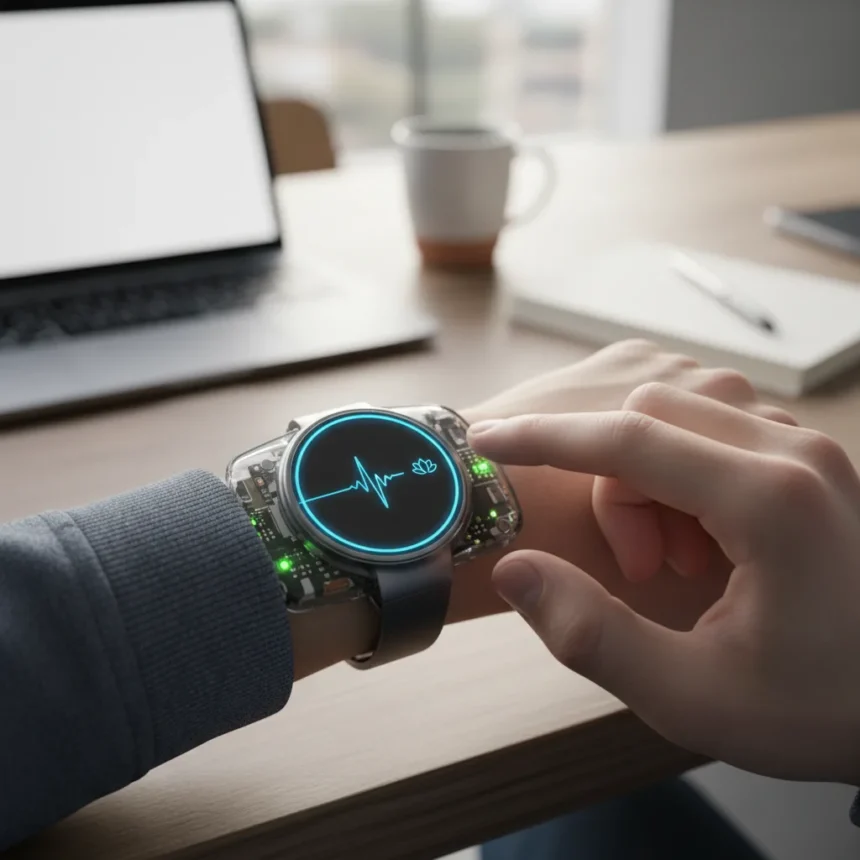
The Fitbit Air is a new fitness tracker from Fitbit, and after five days of daily wear, one specific feature has already made a genuine impression. Rather than claim this is a comprehensive review—it is far too early for that—this is an honest early look at what a new user notices when strapping on Fitbit’s latest wearable for the first time.
Key Takeaways
- The Fitbit Air is Fitbit’s newest fitness tracker, now in early user testing phase.
- Five days of wear is enough to identify standout features, though not long-term reliability.
- First impressions matter; one feature has already impressed the author significantly.
- Early hands-on testing reveals whether a device’s core promise holds up in real use.
- Fitbit continues to compete in the crowded fitness tracker and smartwatch market.
What Makes the Fitbit Air Stand Out So Far
After just five days, identifying which feature impressed most requires paying close attention to what actually matters in daily use, not what the spec sheet promises. The Fitbit Air appears to deliver on something that many fitness trackers overlook: the experience of wearing the device itself feels considered. Whether that is a design choice, a sensor approach, or how the device integrates into your routine, early impressions suggest Fitbit has focused on something real rather than chasing benchmark numbers or feature bloat.
Early testing of wearables often reveals whether a company understands what users actually need versus what they think users want. The Fitbit Air seems to lean toward the former, at least in these opening days. That distinction matters because fitness trackers live on your wrist—if the experience of wearing one is poor, no amount of health data will keep you engaged.
Fitbit Air vs. the Crowded Wearable Market
Fitbit operates in a market where smartwatches from Apple, Google, and Samsung dominate headlines, while dedicated fitness trackers from companies like Oura and Garmin carve out loyal niches. The Fitbit Air enters a space where differentiation is harder than ever. Competitors offer varying approaches: some prioritize sleep tracking, others focus on training metrics, and some blur the line between smartwatch and fitness tracker entirely.


What separates a successful wearable from a forgotten one is rarely the feature list. It is whether the device feels essential to wear, whether its data actually changes behavior, and whether the daily experience justifies the real estate on your wrist. After five days, the Fitbit Air appears to understand this balance, though longer testing will determine whether that impression holds.
Early Testing vs. Real-World Reliability
Five days is enough time to notice what a device does well and what it struggles with immediately. It is not enough time to assess battery life over weeks, to test durability through varied conditions, or to see whether the device’s promised health insights actually pan out. This early look captures first impressions—the moment when a device either feels right or feels like a compromise.



The Fitbit Air’s early performance suggests the company has paid attention to the basics: comfort during wear, responsiveness of the interface, and clarity of the data displayed. Whether these strengths persist through a month, three months, or a year of use remains to be seen. Early enthusiasm is common; sustained satisfaction is rare.
Should You Buy the Fitbit Air Right Now
At this stage, buying the Fitbit Air based on a five-day impression would be premature. Early testing reveals potential and direction, not final verdict. If you are considering a new fitness tracker, wait for longer-term reviews that test battery life through real use, assess the durability of the band and sensors, and determine whether the health insights justify the price and commitment.
That said, if you have been waiting for Fitbit to deliver something genuinely thoughtful rather than another spec-sheet competitor, the early signs are encouraging. The Fitbit Air appears to prioritize the experience of wearing a tracker over the marketing of its features—and that is a direction worth watching.
What should I expect from the Fitbit Air in terms of battery life?
Battery life details have not yet been confirmed through extended testing. Five days of wear is insufficient to assess how long the Fitbit Air runs between charges under real-world conditions. Full battery specifications and expected longevity will become clear only after weeks of continuous use.



How does the Fitbit Air compare to previous Fitbit models?
The Fitbit Air is positioned as a new device in the Fitbit lineup. Specific feature-by-feature comparisons to earlier Fitbit trackers cannot be made without complete specifications, but the early impression suggests Fitbit has refined its approach to what matters most in daily wear.
Is the Fitbit Air waterproof?
Water resistance details have not been verified from early testing. Durability and environmental resistance specifications will be confirmed as the device undergoes longer-term evaluation and official specifications are released.
The Fitbit Air’s early performance is promising, but a five-day first look is just that—a beginning, not a conclusion. The real test comes when the novelty wears off and the device has to prove it belongs on your wrist through weeks and months of use. For now, the standout feature is enough to keep watching Fitbit’s latest wearable closely.
Where to Buy
Edited by the All Things Geek team.
Source: Tom's Guide