



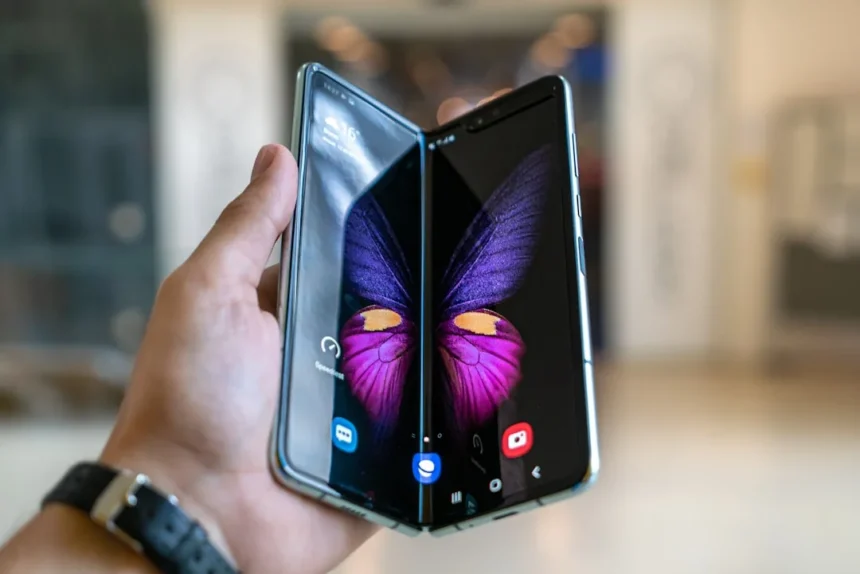
The Samsung Galaxy Z Fold 8 arrives in 2026 as the heir to Samsung’s foldable throne, but Google’s Pixel 11 Pro Fold is gunning harder than ever to dethrone it. This is not a typical year-over-year refresh—both flagship makers are expected to push major upgrades rather than incremental tweaks, and the stakes are higher because Apple’s rumored iPhone Fold looms as a third-party disruptor. The question is no longer whether foldables matter. It’s which Android maker will own the premium foldable market when the iPhone arrives.
Key Takeaways
- Samsung Galaxy Z Fold 8 inherits a 7.5-ounce design from the Z Fold 7, the lightest foldable in its class.
- Google’s Pixel 11 Pro Fold is expected to introduce IP68 durability, a first for foldable phones.
- AI capabilities remain Google’s strongest differentiator in the foldable space.
- Battery capacity and thermal management will be critical factors in the 2026 foldable race.
- The iPhone Fold’s arrival in 2026 will reshape how both Android makers position their devices.
Why Samsung Galaxy Z Fold 8 Starts as Favorite
Samsung owns foldable hardware credibility. The Galaxy Z Fold 7 was praised for being extremely light at 7.5 ounces while delivering strong hardware improvements across the board. That foundation matters. When you have five generations of foldable engineering behind you, you do not start from zero. Samsung knows how to manage thermal stress, optimize hinge reliability, and balance weight with durability in ways Google is still refining.
But here is the catch: Samsung cannot afford to just be a standard, iterative update. The foldable market has matured enough that customers expect tangible leaps forward, not marginal tweaks to screen brightness or processor speed. If the Samsung Galaxy Z Fold 8 feels like a Z Fold 7 with a faster chip and a camera bump, it will lose momentum to Google’s more aggressive positioning.
The competitive pressure is real. Notebook-style foldables like Samsung’s can run about 2 to 3 apps simultaneously on their expansive displays, making them genuinely useful for productivity work. That is a legitimate advantage over slab phones. But if Google cracks durability and battery life in the Pixel 11 Pro Fold, that advantage narrows fast.


Google’s Durability and AI Play
Google has made a massive leap in quality with its foldable lineup, and the Pixel 11 Pro Fold is expected to raise the bar further. Leaked specs suggest an IP68 durability rating, described as a first for foldable phones. Think about what that means: water resistance at the level of flagship slab phones, but on a device with a hinge and folding screen. If Google delivers that, it eliminates one of the last legitimate reasons to worry about foldable durability.
Battery capacity is another battleground. The Pixel 10 Pro Fold was rumored to have a 5,015 mAh battery compared with the Pixel 9 Pro Fold’s 4,650 mAh. That is a meaningful jump. Samsung’s Z Fold 7 set a high bar for battery life, so Google needs to match or exceed it to claim superiority. Powered by the Tensor G5 chipset, the Pixel 11 Pro Fold will have the silicon to handle demanding workloads.


But Google’s real edge is AI. The Pixel 9 Pro Fold already featured differentiated AI capabilities including Add Me, Pixel Studio, Pixel Screenshots, and Gemini Live. That last area—AI capabilities—gives Google an in with the Pixel 11 Pro Fold. Samsung has AI ambitions too, but Google’s integration of generative tools directly into the foldable experience feels more native. When you have an 8-inch screen like the Pixel 9 Pro Fold, multitasking with AI assistance becomes genuinely useful, not just a marketing talking point.
The iPhone Fold Wildcard
Neither the Samsung Galaxy Z Fold 8 nor the Pixel 11 Pro Fold can be evaluated in isolation anymore. Apple’s entry into foldables in 2026 will reset expectations for design, build quality, and ecosystem integration. Android makers have had the foldable market to themselves for years. That changes next year. Both Samsung and Google will need to position their devices not just against each other, but against a competitor with Apple’s supply chain muscle and brand halo.
This pressure may actually help Google more than Samsung. Google can lean into Android differentiation and AI-first positioning. Samsung, as the incumbent, risks looking defensive if it does not make a bold enough leap forward.
Which Android Foldable Will Win in 2026?
The Galaxy Z Fold 7 will be tough to beat. That is not hyperbole—it is the baseline from which the Samsung Galaxy Z Fold 8 must launch. Any phone that takes on the Galaxy Z Fold 7 is going to have its work cut for it, given all the positive changes Samsung has introduced to this year’s model. Samsung’s lead in foldable maturity is real and durable.

Yet Google is not standing still. A versatile foldable phone with impressively vibrant displays, a durable design and better battery life than the Samsung Galaxy Z Fold 7 for $200 less—that was Tom’s Guide’s description of a recent Pixel foldable. If the Pixel 11 Pro Fold can deliver that value proposition while adding IP68 durability and generative AI integration, it becomes a genuine threat.
The most likely outcome: both devices will be excellent, and the winner will depend on what you value. Samsung Galaxy Z Fold 8 buyers will get the most refined hardware and the longest track record of foldable reliability. Pixel 11 Pro Fold buyers will get latest AI features, durability parity, and a lower price. Neither device will dominate the way Samsung has in the past. The foldable market is growing up, and that means competition is finally real.
Is the Samsung Galaxy Z Fold 8 worth waiting for?
If you own a Z Fold 7, probably not. If you own a slab phone or an older foldable, yes—but wait to see the Pixel 11 Pro Fold’s full specs first. The 2026 foldable race is too close to call without final hardware details.
What makes the Pixel 11 Pro Fold different from the Galaxy Z Fold 8?
Google is prioritizing durability (IP68 rating) and AI integration, while Samsung is leveraging its foldable engineering maturity and lighter weight. Both approaches are valid; your choice depends on whether you value proven hardware or latest software features more.
Will the iPhone Fold change the foldable market in 2026?
Yes. Apple’s entry will reset design expectations and likely force both Samsung and Google to compete on ecosystem integration and AI capabilities rather than hardware specs alone. The foldable market in 2026 will be defined by three major players, not two.
The Samsung Galaxy Z Fold 8 and Google Pixel 11 Pro Fold will both be exceptional devices, but they will no longer be the only players that matter. 2026 is when foldables stop being a niche category and become a genuine three-way fight for premium phone supremacy. That is good news for consumers—it means real competition, real innovation, and real choices.
Edited by the All Things Geek team.
Source: Tom's Guide