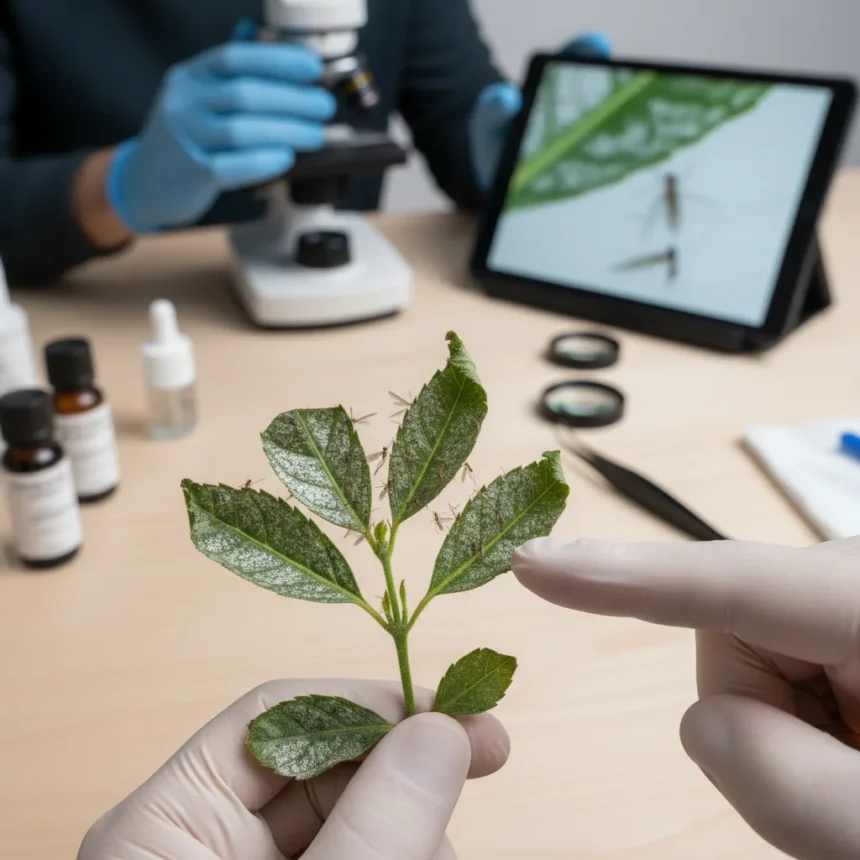
Thrips control is one of the most overlooked yet critical aspects of plant care. These tiny insects can devastate your garden or indoor plants faster than you might realize, causing damage that spreads rapidly if left unchecked. The key to protecting your plants is learning to identify thrips early and act decisively before an infestation takes hold.
Key Takeaways
- Thrips are microscopic pests capable of causing severe damage to both garden and houseplants.
- Early identification is crucial to preventing widespread plant destruction.
- Thrips infestations can escalate quickly without intervention.
- Multiple control strategies exist to stop thrips before they spread.
- Prevention and monitoring are essential components of thrips control.
What Are Thrips and Why They Matter
Thrips are tiny insects that feed on plant tissue, causing visible damage that weakens plants and reduces their vigor. These pests operate silently—many gardeners don’t notice the problem until substantial harm has occurred. The reason thrips control matters so urgently is that these insects reproduce rapidly and can colonize multiple plants within weeks, making early detection the difference between a minor inconvenience and a garden-wide crisis.
The damage thrips inflict appears as discolored patches, distorted growth, and weakened foliage. By the time visible symptoms become obvious, the infestation has often progressed significantly. This is why understanding thrips and implementing thrips control strategies proactively—rather than reactively—protects your investment in your plants and garden aesthetic.
How to Identify Thrips on Your Plants
Identifying thrips requires attention to detail since these insects are so small they’re barely visible to the naked eye. Look for silvery or bronze-colored streaks on leaves, stippling (tiny puncture marks), and distorted new growth. Affected leaves may curl, discolor, or develop a papery texture. If you notice these symptoms, inspect the undersides of leaves closely using a magnifying glass if necessary.


Another telltale sign is the presence of tiny black droppings on affected leaves or the soil beneath the plant. Thrips tend to congregate on young, tender foliage, so focus your inspection there first. Early detection of thrips makes thrips control far simpler and more effective than waiting until damage becomes severe.
Thrips Control Strategies That Work
Once you’ve confirmed a thrips infestation, act quickly. Several approaches exist for managing thrips control, ranging from cultural practices to targeted interventions. The most effective strategy combines multiple methods rather than relying on a single approach. Removing heavily infested leaves immediately stops thrips from spreading further and gives your plant a chance to recover.



Isolation is another critical component of thrips control. Move infested plants away from healthy ones to prevent the pests from migrating. Increase humidity around affected plants—thrips thrive in dry conditions, so misting foliage or grouping plants together creates an environment less favorable to their reproduction. Consistent monitoring over the following weeks ensures that new infestations don’t take root while you’re managing the initial outbreak.
Companion planting offers a preventive angle to thrips control. Basil, for example, can help repel thrips and other common garden pests, making it a valuable addition to gardens where thrips have been problematic in the past. Incorporating such plants into your garden layout reduces future thrips pressure without requiring chemical interventions.
When to Escalate Your Thrips Control Approach
If cultural methods and isolation aren’t stopping the thrips, you may need to escalate your thrips control strategy. At this stage, research treatment options suited to your specific plants and growing environment. The goal is always to restore plant health while preventing the infestation from spreading to neighboring plants. Patience and persistence matter—thrips control often requires sustained effort over several weeks rather than a single intervention.
Regular inspection remains your best tool throughout the process. Check plants every few days, removing any new signs of damage and continuing isolation protocols until you see consistent improvement. Success with thrips control depends on catching infestations early and following through with consistent management practices.



Can thrips infestations be completely eliminated?
Yes, thrips infestations can be eliminated with early detection and consistent thrips control measures. The key is acting quickly and monitoring plants regularly over several weeks to ensure the pests don’t return.
What’s the fastest way to stop thrips from spreading?
Isolate infested plants immediately and remove heavily damaged leaves. This prevents thrips from migrating to healthy plants and reduces their population quickly while you implement additional thrips control strategies.
Are there natural methods for thrips control?
Yes. Isolation, humidity adjustment, leaf removal, and companion planting with thrips-repelling plants like basil all offer natural approaches to thrips control without relying on chemical treatments.
Thrips control is ultimately about vigilance and speed. These tiny pests thrive when gardeners don’t notice them, but once you understand what to look for and take action immediately, you regain control of your plants. The investment in early detection and consistent monitoring prevents far larger headaches down the road, keeping your garden and houseplants healthy and thriving.
Edited by the All Things Geek team.
Source: Tom's Guide