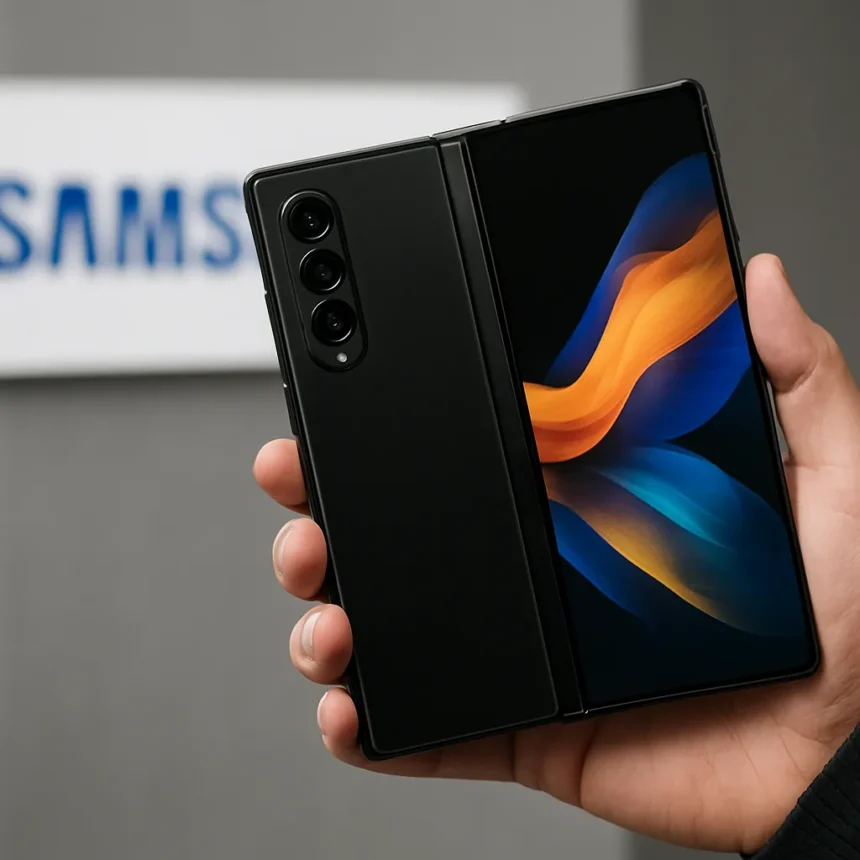
The Samsung Galaxy Z TriFold is a tri-folding smartphone released by Samsung, launched in South Korea on December 12, 2025, priced at 3.6 million KRW (approximately $2,600 USD), and sold exclusively through Samsung.com in limited weekly batches. Now, just three months after that launch, Samsung is pulling the plug on South Korean sales — clearing out its final inventory on March 17, 2026, with no sequel planned until 2027 at the earliest. That timeline tells you everything you need to know about where trifold technology actually stands right now.
TL;DR: Samsung is ending Galaxy Z TriFold sales in South Korea after just three months, citing rising production costs and a pivot toward the Galaxy S26 series. No second-generation model is planned for 2026. Samsung says it proved the concept — but the market clearly wasn’t ready for a $2,600 foldable sold in weekly batches.
Why Samsung Is Stopping Galaxy Z TriFold Sales So Quickly
Samsung is ending Galaxy Z TriFold sales in South Korea because rising production costs made continued sales unsustainable, and the company had already achieved its stated goal of demonstrating technological capability rather than turning a profit. The decision was not a surprise to anyone watching closely — the phone was never sold through broad retail channels, only through Samsung.com in batches roughly once every one to two weeks.
That drip-feed sales model was always a signal. When a company sells its flagship product the way sneaker brands sell limited-edition trainers, it’s not trying to move volume — it’s managing optics. Samsung appears to have concluded that it had achieved its goal of showcasing technological innovation, rather than focusing on maximizing profits, according to reporting via AJU Press. That’s a polite way of saying: the numbers didn’t work, but the headlines did.


Some observers also point to a more tactical reason for the exit: Samsung’s focus has shifted to marketing the recently released Galaxy S26 series. Keeping a $2,600 engineering showcase in the spotlight while trying to sell a mass-market phone is a difficult balancing act, and Samsung has chosen the safer bet.
What the Samsung Galaxy Z TriFold Actually Delivered
The Samsung Galaxy Z TriFold offered a genuinely impressive hardware achievement — three displays that unfold to a 253 mm (10-inch) screen fully open, folding down to a 164.8 mm (6.5-inch) form factor that matches the Galaxy Z Fold7 when closed. That’s a lot of screen real estate for a device that fits in a pocket, and the multitasking potential was real.



Internally, the TriFold shares its core specs with the Galaxy Z Fold7, with one notable exception: storage. The device was available only in a 512GB configuration, despite a 1TB version being shown. For a phone at this price point, that omission stings. The Z Fold7 comparison is instructive — same folded screen size, similar internals, but the TriFold’s unfolded 10-inch display opens up a genuinely different use case for productivity and media consumption.
Whether that use case justifies the premium is another question entirely. At roughly $2,600, the TriFold cost significantly more than the Galaxy Z Fold7, and it was sold in a way that made actually buying one feel like winning a lottery. The engineering complexity and high cost make a sequel difficult, Samsung executives acknowledged.
Is a Samsung Galaxy Z TriFold Sequel Actually Coming?
There is no second-generation Samsung Galaxy Z TriFold planned for 2026. Samsung’s roadmap points to a potential refined launch in 2027, alongside a broader foldable lineup expansion that includes Galaxy Z Fold, ultra-wide and wide fold variants, and Flip models. That’s a meaningful delay — and it’s honest.
Rushing a sequel with the same cost and complexity problems would be worse than waiting. The first trifold’s engineering complexity and high cost make it a difficult sequel, Samsung executives have acknowledged. A 2027 launch gives Samsung time to bring production costs down, refine the hinge mechanism, and potentially price the device in a range where it can actually sell at scale rather than in fortnightly batches.



There’s also the competitive dimension to consider. An anticipated Apple trifold device is expected to influence market standards, and Samsung would rather arrive at that competition with a polished second-generation product than a rushed iteration. Losing the first-mover advantage stings, but shipping a better device at a lower price point matters more long-term.
What This Means for Buyers Outside South Korea
In the United States, the Galaxy Z TriFold was announced on January 27, 2026, with pre-orders offering a $30 Samsung Credit. No end date for US sales has been specified, which means American buyers are in a different position than Korean ones — for now. But the South Korean exit is a clear signal that global availability was always going to be limited and that inventory constraints are real.
If you’re outside South Korea and hoping to get one, the window may be shorter than Samsung’s official silence suggests. The limited-batch sales model that defined the Korean launch implies there was never a plan for broad retail distribution anywhere.
Is the Samsung Galaxy Z TriFold worth buying now?
At approximately $2,600 and with no sequel planned until 2027, the Galaxy Z TriFold is a collector’s item more than a daily driver recommendation. If you can get one at current pricing and want the most screen real estate available in a folding phone, the 10-inch unfolded display is genuinely impressive. But knowing a refined version is coming in two years makes it a hard sell for most buyers.
How does the Galaxy Z TriFold compare to the Galaxy Z Fold7?
The Galaxy Z TriFold and Galaxy Z Fold7 share the same 6.5-inch folded screen size and similar internal specs, but the TriFold’s three-panel design opens to a 10-inch display versus the Fold7’s more conventional form factor. The TriFold is available only in 512GB storage, costs significantly more, and was sold in far more limited quantities. For most users, the Fold7 is the more practical choice.
Will Samsung release a trifold phone in 2026?
No. Samsung has confirmed there is no second-generation Galaxy Z TriFold planned for 2026. The company intends to refine the technology and potentially launch a follow-up in 2027, alongside an expanded foldable lineup. The engineering complexity and production costs of the first model make a 2026 sequel impractical.
The Samsung Galaxy Z TriFold’s rapid South Korean exit isn’t a failure story — it’s a reality check. Samsung proved the concept works. Now it needs to prove the concept can be manufactured at a price that doesn’t require selling phones like limited-edition sneakers. Until that happens, trifold phones remain a fascinating preview of where smartphones are going, not a category that’s actually arrived.
Edited by the All Things Geek team.
Source: Android Central