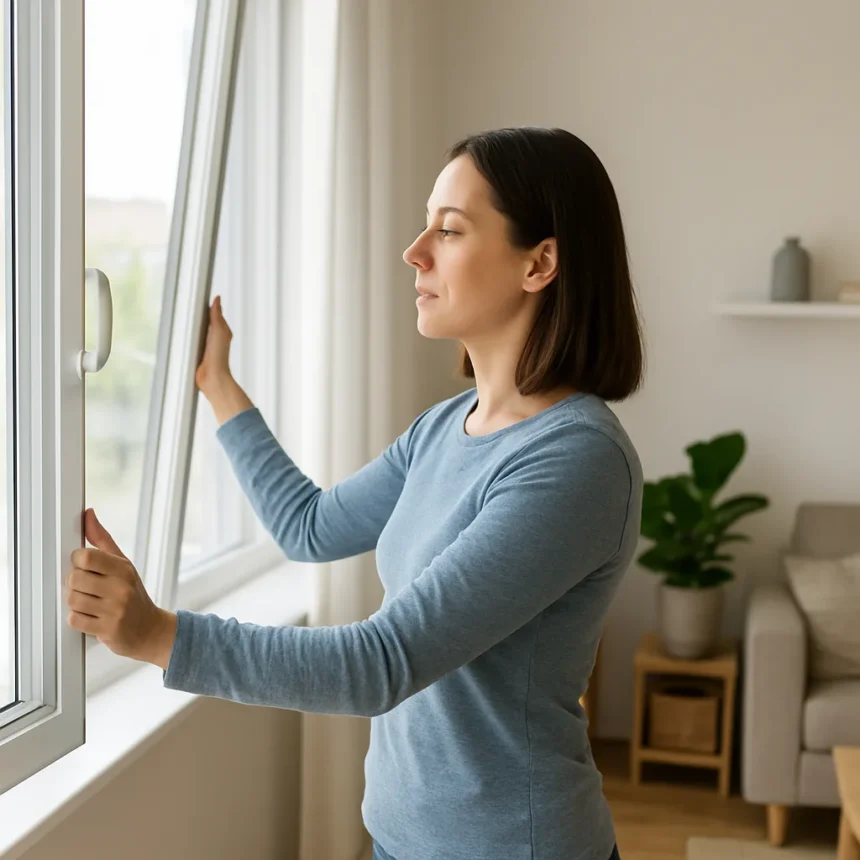
The ABC spring-cleaning air quality method is a three-step framework designed to flush toxins from your home and improve indoor air quality during spring. The method breaks down into three sequential phases: Air (ventilation and purification), Belongings (decluttering), and Clean (deep surface cleaning). This approach treats spring cleaning not as random tidying but as a strategic toxin-reduction system that, executed once yearly, resets your home’s air quality after months of winter closure.
Key Takeaways
- ABC method stands for Air (ventilate and purify), Belongings (declutter), and Clean (deep clean top-to-bottom)
- Open windows 10 minutes morning and evening, but avoid peak pollen hours (10am-4pm) in spring
- HEPA vacuum all surfaces with three overlapping passes per area, starting farthest from the entryway
- Decluttering removes dust-trapping surfaces and stops toxin buildup at its source
- A no-shoes policy and weekly HEPA maintenance sustain air quality gains year-round
Step 1: A for Air—Ventilate and Purify Your Space
The first phase focuses on flushing stale, toxin-laden air and replacing it with fresh oxygen. Open windows for 10 minutes each morning and evening to exchange indoor air with outdoor air, but timing matters critically. Avoid opening windows between 10am and 4pm during spring, when pollen counts peak; instead, ventilate before 10am or after 4pm, especially on rainy days when pollen settles. This simple timing adjustment prevents you from importing the very allergens and dust you are trying to eliminate.
Beyond window ventilation, deploy an air purifier in high-use rooms and especially in bedrooms where you spend eight hours breathing the same recycled air. Implement a no-shoes policy indoors to prevent outdoor dust and contaminants from being tracked across every surface. Some experts recommend adding a Himalayan Pink Salt Lamp to rooms to help settle dust particulates, though this remains a supplementary measure rather than a primary purification tool.
Step 2: B for Belongings—Declutter to Stop Dust at the Source
Clutter is a dust magnet. Every item on a shelf, stack of papers, or pile of textiles provides a landing surface for dust and toxins that accumulate over months. The Belongings phase asks you to ruthlessly declutter: toss items you do not actively use, particularly anything toxic or chemically laden. This step is about reducing the total surface area in your home that can trap and hold dust. Fewer belongings mean fewer dust-catching surfaces and less frequent cleaning needed to maintain air quality.


After decluttering, commit to weekly maintenance with HEPA vacuuming or microfiber dusting to prevent dust from rebuilding on remaining surfaces. The investment in a quality HEPA-filter vacuum pays dividends here—models like the BISSELL Swivel Upright Bagless Vacuum ($139.99) handle multi-floor homes and edge cleaning where dust accumulates. HEPA filtration traps particles that standard vacuums recirculate into the air.
Step 3: C for Clean—Deep Clean from Top to Bottom
Deep cleaning must follow a strict top-to-bottom sequence to avoid redistributing dust downward. Start in the corner farthest from your entryway and work toward the exit, vacuuming ceilings first, then walls, then furniture, and finally floors. For each surface, make three overlapping passes—one horizontal, one vertical, and one covering under and behind furniture where dust hides. This multi-pass approach ensures you capture dust that a single pass misses.


After vacuuming, wipe all surfaces with a non-toxic cleaner. The two-bucket method works well: mix one teaspoon of Branch Basics Concentrate per gallon of water in the first bucket, test the solution on a hidden spot first, then use the second bucket as a rinse. Alternatives include white vinegar and baking soda for those preferring common household ingredients. An Electric Spin Scrubber ($35.99, on sale from $56.99) accelerates bathroom and tile cleaning, reducing the physical effort of deep scrubbing.
Why Spring Timing Matters for Air Quality
Spring cleaning coincides with peak pollen season and the transition from sealed winter homes to open-window living. Winter traps dust, pet dander, and household toxins inside; spring offers the first real opportunity to purge that buildup. Executing the ABC method once yearly—ideally in early spring before pollen peaks—gives your home an air quality reset that routine cleaning cannot achieve. Beyond that annual deep clean, the maintenance steps (weekly HEPA vacuuming, no-shoes policy, brief daily ventilation) sustain the gains year-round.
How does the ABC spring-cleaning air quality method compare to standard spring cleaning?
Standard spring cleaning often focuses on aesthetics—making rooms look fresh and organized. The ABC method prioritizes air quality and toxin reduction as the primary goal, using a structured sequence (ventilate first, declutter second, clean third) that prevents cross-contamination and dust redistribution. This methodical approach targets the invisible pollutants that affect health, not just visible dirt.
Can I use the ABC method on rental properties or apartments?
Yes. The method requires no structural changes or permanent installations. Window ventilation, decluttering, vacuuming, and surface wiping are all temporary actions that leave no trace. Air purifiers are portable. The only constraint is window-opening frequency, which depends on your lease terms, but the core cleaning steps work in any living space.



What is the best time of day to open windows for spring-cleaning air quality?
Open windows before 10am or after 4pm to avoid peak pollen hours. Rainy days offer an additional advantage because rain settles pollen, making late-afternoon or evening ventilation especially effective. Morning ventilation before outdoor activity ramps up also minimizes pollen intake.
The ABC spring-cleaning air quality method succeeds because it treats air quality as a process, not a one-time event. By systematically ventilating, decluttering, and deep cleaning in sequence, you address toxins at multiple stages—flushing stale air, removing dust-trapping surfaces, and eliminating settled particles from every surface. Execute it once in spring, maintain it weekly, and your home’s air quality will noticeably improve.
Where to Buy
$259 at Amazon. | Shark HP102 Air Purifier:
Edited by the All Things Geek team.
Source: Tom's Guide