





The spring air quality deep clean is a structured 3-step method designed to strip dust, pollen, and toxins from your home in one intensive session. Unlike routine tidying, this annual reset uses HEPA vacuuming, targeted surface washing, and timed ventilation to eliminate airborne irritants that accumulate over winter.
Key Takeaways
- The ABC method combines HEPA vacuuming all surfaces, bucket-washing with cleaning solution, and strategic window ventilation.
- Three overlapping passes per area with a HEPA vacuum removes embedded dust from ceilings, walls, furniture undersides, and trim.
- Opening windows 10 minutes morning and evening—not during peak pollen hours (10am–4pm)—prevents pollen influx while circulating stale air.
- Weekly maintenance (microfiber dusting, HEPA vacuuming, air purifier use) sustains the deep clean between annual sessions.
- Top-to-bottom execution prevents re-dusting floors and maximizes efficiency.
Step A: Air—HEPA Vacuum Everything
The first phase targets dust and particulates hiding in plain sight. Start at the farthest corner from your entryway with a HEPA-filter vacuum and a ladder. Work methodically from top to bottom: ceilings, walls, light fixtures, ceiling fans, then furniture, trim, and finally floors. The key is coverage—vacuum the sides, backs, and undersides of tables, chairs, desks, lamps, and shelving units that rarely see attention. Make three overlapping passes over each area using careful, deliberate strokes. This repetition dislodges embedded dust that one pass misses. Many people skip vertical surfaces entirely, which means walls, baseboards, and furniture edges remain dust reservoirs. A spring air quality deep clean demands thoroughness. Rushing this step undermines the entire method.
Why three passes? Two passes catch surface dust; the third extracts particles embedded in fabric and crevices. The overlapping strokes ensure no gaps. Work methodically room by room to avoid burnout—this is not a quick chore, but the payoff is measurable air clarity.
Step B: Buckets—Wash All Surfaces
Once you have vacuumed everything, surfaces are primed for washing. Fill one bucket with 1 teaspoon of Branch Basics Concentrate per gallon of water; fill a second bucket with clean rinse water. Before committing to full-scale washing, test your cleaning solution on a small, inconspicuous area—a corner of a painted wall or the underside of a table—to ensure it does not damage finishes or paint. This precaution prevents costly mistakes.


Dip a microfiber cloth into the cleaning solution, wring it well (excess water damages wood and paint), and wipe all surfaces: walls, windowsills, door frames, furniture surfaces, light switch plates, and any area that collects dust. Follow with a rinse using the second bucket and a clean cloth to remove residue. This step removes chemical residues, allergens, and toxins that vacuuming alone cannot address. A spring air quality deep clean targets not just visible dust but also invisible chemical buildup from cooking, heating systems, and outdoor pollution that has settled indoors.
Step C: Circulate—Flush Toxins and Lock in Habits
The final phase flushes stale, toxin-laden air and establishes routines to sustain your clean environment. Open windows for 10 minutes in the morning and again in the evening—but avoid the 10am–4pm window when pollen counts peak and outdoor air is dry and windy. Morning and evening ventilation exchanges stale indoor air without inviting a pollen surge. This timing matters: opening windows during peak pollen hours undoes your work by reintroducing the allergens you just removed.

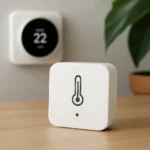

Enforce a no-shoes policy indoors to prevent tracking outdoor dust and contaminants across floors. Run an air purifier in bedrooms and living areas, where you spend the most time. Some people place a Himalayan Pink Salt Lamp in the main living area as a dust-settling aid, though this is anecdotal rather than scientifically verified. The core habits—weekly HEPA vacuuming, microfiber dusting, air purifier use, and minimizing clutter—sustain the spring air quality deep clean year-round. Clutter traps dust; fewer objects mean less surface area for particles to settle on and easier cleaning overall.
Why Timing and Technique Matter
Spring cleaning fails when executed haphazardly. Many people open windows wide during peak pollen hours, thinking fresh air is always good—but this is counterproductive. Pollen counts surge between 10am and 4pm on dry, windy days, so opening windows then reintroduces the very allergens you are trying to eliminate. The ABC method’s emphasis on morning and evening ventilation avoids this trap. Similarly, skipping vertical surfaces or doing single passes over areas leaves dust in place. The three-pass HEPA technique is deliberate and thorough because dust clings to surfaces and requires repeated mechanical action to dislodge. Working top-to-bottom prevents gravity from re-settling dust onto already-cleaned floors.
A spring air quality deep clean is not a quick Saturday project—plan 1-2 days depending on home size and clutter level. Breaking it into rooms or zones (one room per day) prevents overwhelm and maintains quality. Rushing through the vacuum phase or skipping the surface wash defeats the purpose. This is an annual reset, not a weekly chore, so invest the time once to reap months of cleaner air.
Comparing the ABC Method to Quick Cleans
The ABC method differs fundamentally from standard spring cleaning and quick-clean approaches. General spring cleaning targets visible dirt—ceiling fans, light fixtures, upper shelves, furniture, counters, and floors in that order—but often misses the systematic HEPA filtration and three-pass technique. Quick 15-minute zone cleaning uses a timer to tackle one room at a time (5 minutes kitchen, 5 minutes bathroom, 5 minutes living area), which is useful for maintaining a baseline but insufficient for a deep air quality reset. The ABC method prioritizes air quality over aesthetics, using HEPA filtration to trap microscopic particles that standard vacuums miss. If your goal is removing pollen and toxins rather than just tidying, the ABC method’s rigor is necessary.



Tools That Support the ABC Method
A HEPA-filter vacuum is non-negotiable—standard vacuums recirculate particles into the air. Microfiber cloths trap dust better than cotton or paper towels. An extendable duster (like a Swiffer Duster Heavy Duty, available for around $7.49) reaches ceiling corners and high shelves without constant ladder repositioning. For grout, baseboards, and tight corners, a grout brush or electric spin scrubber (available for approximately $35.99 on sale, with a 90-minute runtime per charge) handles stubborn grime. An air purifier running continuously in high-traffic areas maintains air quality between annual deep cleans. These tools are investments in air quality, not luxuries.
Sustaining Clean Air Year-Round
The ABC method is a reset, but maintenance is what sustains it. After your spring air quality deep clean, commit to weekly HEPA vacuuming and microfiber dusting, especially in bedrooms and living areas where you spend most time. Run your air purifier during high-pollen seasons or when outdoor air quality is poor. Maintain the no-shoes policy. Minimize clutter. Open windows strategically during low-pollen hours. These habits prevent the reaccumulation of dust and toxins, so your next annual deep clean requires less effort.
Is the ABC method suitable for apartments?
Yes. The ABC method works in any enclosed space—apartments, condos, offices, or houses. Apartments may have less square footage, making the project faster, but the technique remains identical. Vacuum all surfaces, wash with the two-bucket system, and establish circulating habits. Window access varies by unit, so adjust ventilation timing based on your specific exposure to outdoor pollen sources.
Can I use alternative cleaning solutions instead of Branch Basics?
The research brief specifies 1 teaspoon Branch Basics Concentrate per gallon of water as the tested formula. Alternative cleaning solutions may work, but their effectiveness is untested in this method. White vinegar and baking soda are common alternatives mentioned in general spring cleaning guides, though they are not part of the ABC protocol. Test any alternative on a small area first to avoid damaging finishes.
How often should I perform the ABC spring air quality deep clean?
The ABC method is designed as an annual reset, ideally in spring when pollen peaks and winter dust has accumulated. If you live in a high-pollen region or have severe allergies, some people repeat it in fall. For most households, once yearly is sufficient when paired with weekly maintenance habits like HEPA vacuuming and air purifier use.
The spring air quality deep clean is not glamorous, but it is effective. Three days of intensive work—vacuuming every surface three times, washing walls and furniture, and establishing year-round habits—yields months of noticeably cleaner air. Skip the shortcuts. The ABC method works because it is thorough, timed correctly, and sustained by weekly routines. Your lungs will thank you.
Where to Buy
$259 at Amazon. | Shark HP102 Air Purifier:
Edited by the All Things Geek team.
Source: Tom's Guide




