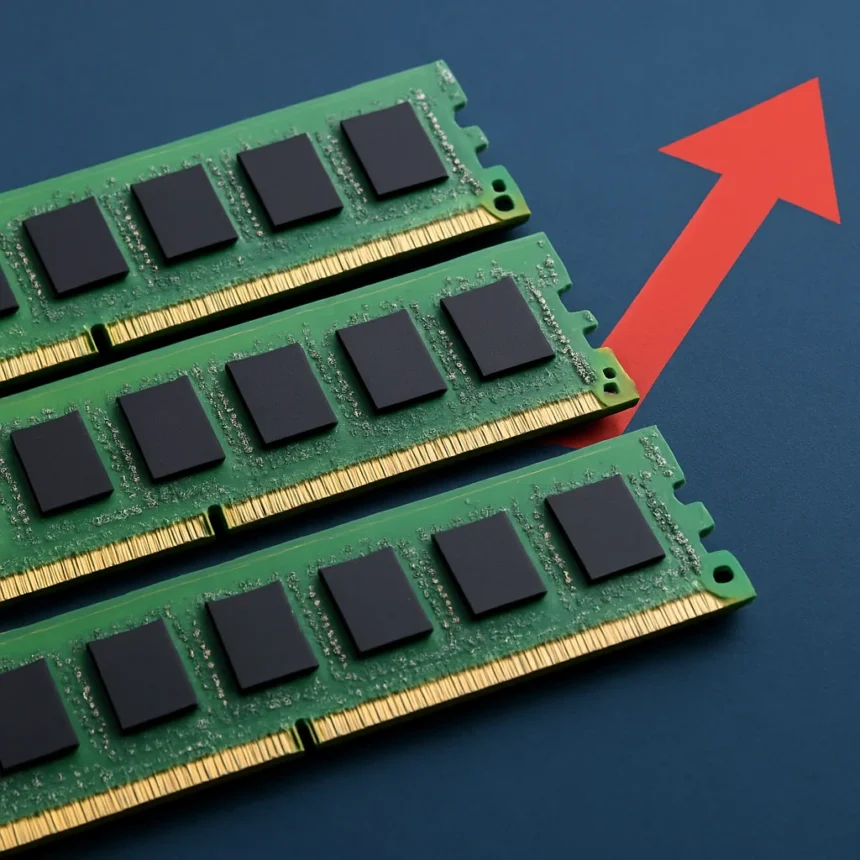
RAM prices skyrocketing across both consumer and enterprise segments are reshaping the PC market in ways buyers have not seen since the post-COVID supply chain collapse. The global memory shortage crisis refers to a sustained period of DRAM and NAND cost inflation driven by AI infrastructure demand, according to IDC and Counterpoint Research analysis. PC vendors including Lenovo, Dell, HP, Acer, and ASUS have already warned clients of 15-20% price hikes with contract resets expected to run into the second half of 2026 — and IDC projects no meaningful price normalization until 2028.
How Bad Is RAMageddon Getting in 2026?
The numbers are stark. DDR4 32GB kits that cost between $60 and $90 in October 2025 had climbed to $150-$180 by January 2026. DDR5 fared even worse: 32GB DDR5 kits priced under $359 have been effectively wiped from the market by AI-driven demand. Counterpoint Research puts the scale of the surge at 80-90% in memory prices between Q4 2025 and Q1 2026 alone, compounding increases that were already underway in late 2025.
Prices are not just high — they are volatile on an hourly basis, making it nearly impossible for consumers or system builders to plan purchases with any confidence. Channels moved to build inventory in Q4 2025 specifically to get ahead of Q1 2026 price surges, which tells you everything about where the industry sees this heading.
Why RAM Prices Skyrocketing Is Crushing the PC Market
IDC has modeled two downside scenarios for the PC market. In the moderate case, the market contracts by 4.9% against a prior forecast of a 2.4% year-on-year decline, with average selling prices rising 4-6%. In the pessimistic scenario, the market shrinks by 8.9% and average selling prices climb 6-8%. Neither outcome is good news for consumers who were counting on affordable hardware in 2026.


The timing could not be worse. The memory crisis is hitting simultaneously with Microsoft’s Windows 10 end-of-life refresh cycle, which was supposed to drive a wave of PC upgrades. The AI PC marketing push from vendors has also raised the baseline RAM requirements that manufacturers are targeting, making higher memory costs even more painful to absorb at the entry-level price points where most buyers actually shop.
The root cause is the AI industry’s voracious appetite for silicon. The buildout of AI infrastructure has created a supply shortage that spans the memory market broadly, with DDR5 bearing the brunt because it is the preferred standard for AI workloads. DDR4 briefly looked like a safe haven for budget buyers, but its prices have also doubled or tripled, eliminating the fallback option that kept entry-level PCs affordable through previous downturns.



CXMT and the Search for Alternative Supply
With major memory suppliers unable to meet demand at sustainable prices, PC manufacturers including HP, Dell, Acer, and ASUS have turned to Chinese fabricator CXMT as an alternative RAM source. This is a significant shift in the supply chain, and it reflects how desperate the situation has become. New fabrication facilities are planned, but building a memory fab takes years — supply normalization requires either a meaningful increase in production capacity or a drop in AI-driven demand, and neither appears imminent before 2028.
The comparison with previous shortages is instructive. Earlier supply crunches were linked to post-COVID PMIC component issues — discrete, traceable disruptions that resolved as supply chains stabilized. The current crisis is structural, driven by a fundamental reallocation of silicon capacity toward AI infrastructure that is not going to reverse quickly.
Should You Buy a PC Now or Wait?
Waiting for prices to fall is a losing strategy if you need hardware in 2026. IDC’s analysis points to 2028 as the earliest point at which the market could see meaningful relief, and that timeline assumes supply increases materialize on schedule. Buying now, before the full weight of vendor contract resets hits retail pricing in H2 2026, is the more defensible position for most buyers.
The ripple effects extend beyond PCs. Valve has delayed both the Steam Frame and Steam Machine, and Nvidia’s RTX 50 SUPER has been pushed back, with RTX 60 series mass production not expected until 2028 — all attributed in part to RAM shortage pressures. The memory crisis is not a PC-only problem; it is a platform-wide constraint that is reshaping product roadmaps across the industry.



Is DDR4 still cheaper than DDR5 right now?
DDR4 32GB kits have risen sharply to $150-$180 as of January 2026, up from $60-$90 in October 2025. DDR5 remains more expensive and more volatile, with 32GB kits under $359 largely unavailable. The gap between the two standards has narrowed significantly as buyers fled to DDR4, driving up its price alongside DDR5.
When will PC prices go back down?
IDC’s outlook points to 2028 as the earliest point for price normalization, contingent on new fabrication capacity coming online or a reduction in AI-driven memory demand. In the meantime, PC average selling prices are projected to rise 4-8% depending on how severe the market contraction becomes through 2026.
Why are RAM prices so high in 2026?
The primary driver is the AI industry’s massive buildout of infrastructure, which has consumed silicon capacity at a scale that has squeezed supply for consumer DRAM and NAND. This coincides with the Windows 10 end-of-life refresh cycle and AI PC marketing pushing higher RAM baselines, creating a perfect storm of demand against constrained supply.
The bargain PC era that consumers enjoyed through the early 2020s was always dependent on stable or falling memory costs. With RAM prices skyrocketing and no credible relief before 2028, buyers face a straightforward choice: pay more now, pay even more later, or hold off on upgrades entirely — and accept that the hardware you are waiting for will also cost more when it finally arrives.
Where to Buy
Edited by the All Things Geek team.
Source: Tom's Guide