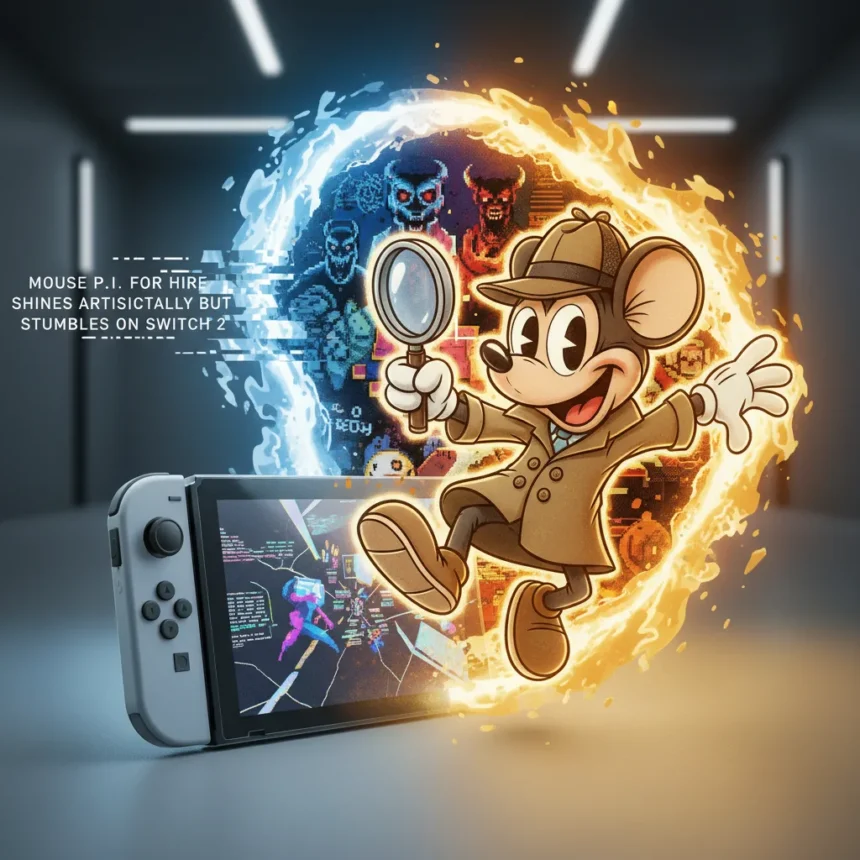
Mouse P.I. for Hire is a metroidvania first-person shooter developed by a small indie team, blending satirical storytelling with rubberhose-style animation and Doom-inspired combat mechanics. The game arrived on Nintendo Switch 2 with considerable promise—visuals and gameplay that reviewers describe as strong—but a critical flaw threatens to undermine everything the developers built: performance problems that simply aren’t acceptable on Nintendo’s latest hardware.
Key Takeaways
- Mouse P.I. for Hire combines metroidvania exploration with FPS mechanics and satirical humor in a distinctive package.
- Rubberhose animation and art direction receive praise as “beautiful vintage cheddar” from reviewers.
- Doom-inspired gameplay paired with movement upgrades like helicopter glide and grappling hook creates engaging combat.
- Nintendo Switch 2 port suffers from performance issues described as grating flaws in an otherwise strong game.
- Developer ambitions centered on creating “more than just a cool art project” with dark, adult storylines.
Rubberhose Animation Steals the Show
The first thing that strikes you about Mouse P.I. for Hire is its visual identity. The engrossing rubberhose-style animation sets it apart from the grey-brown shooter glut that dominates the FPS space. This isn’t a game chasing photorealism or AAA production values. Instead, the developers embraced a deliberately retro aesthetic that feels both playful and unsettling—a tonal balance that few indie games achieve.
Reviewers consistently highlight the art as a strength, describing it as “beautiful vintage cheddar.” That deliberate throwback to classic animation styles gives the game character that modern shooters lack. The animation work carries the weight of the game’s satirical tone, making detective work and NPC interactions feel purposeful rather than obligatory. When a small team commits this thoroughly to visual direction, it shows.
Gameplay That Borrows Smart From Doom
Beyond aesthetics, Mouse P.I. for Hire proves that FPS mechanics can thrive outside the competitive multiplayer ecosystem. The Doom-inspired combat foundation works well, but the developers layered metroidvania progression on top—a structure that rewards exploration and vertical movement over pure gunplay. Movement upgrades like helicopter glide and a grappling hook powered by the protagonist’s mouse tail transform how you navigate levels, turning combat arenas into three-dimensional puzzles.

The game also incorporates questlines, minigames, and detective elements that deepen engagement beyond shooting. This hybrid approach suggests the developers took their own stated ambition seriously: to create “more than just a cool art project” with substance behind the style. The adult, dark storylines give the game thematic weight that matches its visual distinctiveness.
Nintendo Switch 2 Performance Ruins the Experience
Here’s where everything falls apart. Mouse P.I. for Hire’s Switch 2 port has performance problems that “grate” on the experience—a comparison reviewers make to flawed vintage cheddar, acknowledging that something good has been compromised by poor execution. On a system that has already proven capable of handling ambitious ports, these optimization issues feel inexcusable.
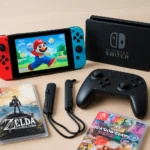
Performance problems on a portable console aren’t just an inconvenience—they break immersion in a game that relies on fluid animation and responsive controls. A metroidvania demands precise platforming. An FPS demands responsive input. When frame rates dip and stuttering occurs, both pillars collapse. The Switch 2 port needed either significant optimization or a reduction in visual fidelity to maintain playability. Instead, players get neither.
This isn’t a unique problem in indie porting, but it’s particularly frustrating here because the game’s strongest elements—its art and gameplay design—remain intact. The fault lies purely in execution, not concept. A developer team ambitious enough to blend genres and animation styles deserved better technical support for their console release.
How Does Mouse P.I. for Hire Compare to Other Metroidvania Shooters?
The metroidvania-FPS hybrid remains rare, which makes direct comparison difficult. Games like Doom Eternal lean heavily into combat loops, while traditional metroidvanias emphasize exploration and progression. Mouse P.I. for Hire attempts to satisfy both impulses, positioning itself as a more narrative-driven alternative to pure action shooters. Unlike competitive FPS titles, it prioritizes world-building and detective storytelling, making it closer to immersive sims than to multiplayer-focused games. That unique positioning is precisely why the performance issues sting—the game had carved out genuine territory.
Should You Buy Mouse P.I. for Hire on Switch 2?
If you own a Nintendo Switch 2 and value art direction and gameplay innovation over technical perfection, Mouse P.I. for Hire offers something worth experiencing despite its flaws. However, if smooth performance is non-negotiable, wait for patches or consider playing on PC where optimization is likely superior. The game’s design is solid enough to survive technical rough edges, but only barely.

Does Mouse P.I. for Hire require prior knowledge of detective games?
No. The game weaves detective elements and questlines into its narrative naturally. Players unfamiliar with detective-focused games will find the mechanics accessible, as they complement rather than dominate the FPS and exploration core.
What makes the rubberhose animation style significant in modern games?
Rubberhose animation harkens to 1920s-1930s cartoon aesthetics—exaggerated, fluid, and expressive. In modern games, it signals deliberate artistic choice over technical prowess. For Mouse P.I. for Hire, it reinforces the game’s satirical tone and makes it visually memorable in a crowded indie space.
Mouse P.I. for Hire represents what happens when small teams dream bigger than their resources allow. The art, gameplay, and narrative ambition shine through, but the Switch 2 port’s performance issues reveal the cost of that ambition. It’s a game that needed either more development time or a smaller scope on console. As it stands, it’s a beautiful, clever game held back by technical compromises that shouldn’t have shipped.
Where to Buy
Edited by the All Things Geek team.
Source: TechRadar