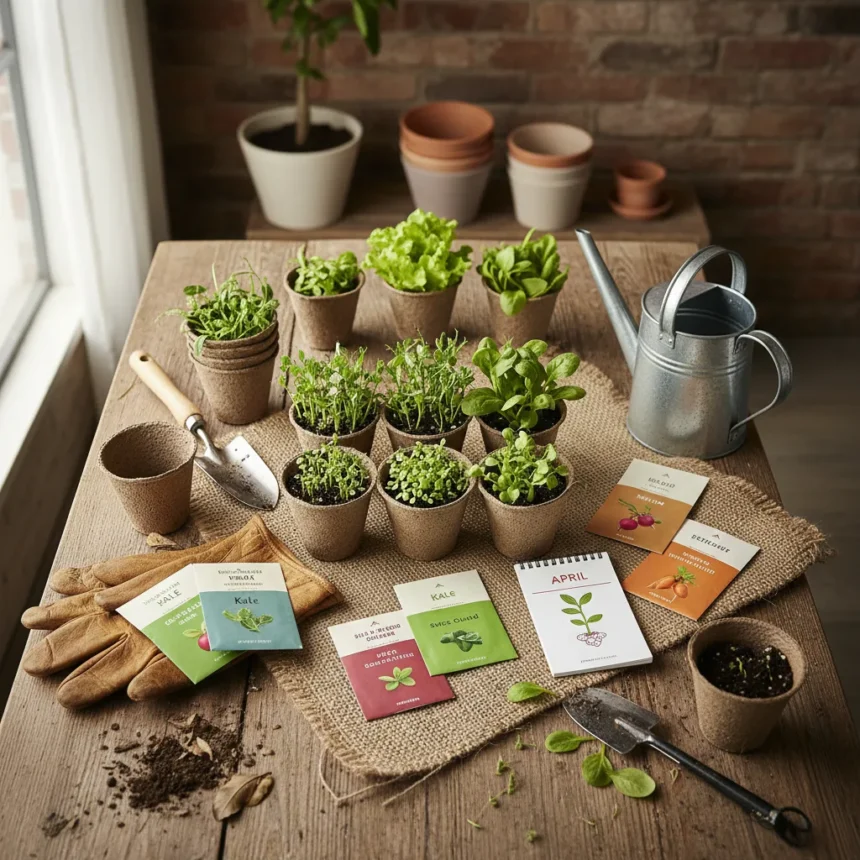
Vegetables to sow in April offer gardeners in temperate zones a crucial window for spring planting. April aligns perfectly with post-last-frost timing for cool-season crops, allowing direct sowing of hardy vegetables that thrive in warming but still-moderate soil.
Key Takeaways
- April is the peak sowing month for cool-weather crops in USDA Zones 5-7 after the last frost date passes.
- Direct sow root crops (carrots, beets, radishes, turnips) in loose, moist soil 1/2 inch to 1 inch deep.
- Greens like kale, spinach, and lettuce germinate reliably in April’s cool temperatures.
- Peas require trellis support and should be sown 1 inch deep and 1 inch apart.
- Cabbage and other brassicas benefit from rich soil and thinning to proper spacing once established.
Root Crops: Carrots, Beets, and Radishes
Root vegetables are the workhorses of April planting. Carrots demand loose, rock-free soil and consistent moisture; cover rows with garden fabric until germination to retain moisture and prevent crusting. Sow seeds directly where they will grow, as carrots resent transplanting. Thin seedlings to proper spacing once they emerge—crowded carrots fork and split.
Beets offer dual harvests: the entire plant is edible, with greens nutritious enough to rival spinach and roots sweet enough to eat raw or roasted. Sow beet seeds 1/2 inch deep and thin to 4 inches apart once they develop true leaves. Unlike carrots, beet seedlings tolerate light transplanting if you must thin aggressively. Radishes and turnips follow similar protocols, maturing faster than carrots and providing quick wins for impatient gardeners.
Greens and Brassicas: Kale, Cabbage, and Collards
Cool-season greens thrive when sown directly in April soil. Kale, collards, and lettuce germinate reliably in temperatures between 40°F and 70°F, making April ideal. Lettuce and spinach can be succession-sown every two weeks for continuous harvests through spring. These crops also enable cut-and-come-again harvesting—remove outer leaves as the plant matures, extending productivity across the season.


Cabbage requires richer soil than greens and benefits from fertilization once heads begin forming. Start seeds indoors 6-8 weeks before your last frost date, then transplant seedlings into garden beds in early April. Thin or space transplants to 1 foot apart to allow head development. Collards tolerate similar conditions but are more forgiving of crowding and neglect, making them ideal for less-experienced growers.
Peas and Celery: Cool-Season Specialties
Garden peas are pure April magic—they germinate in cool soil, establish quickly, and produce abundant pods before summer heat arrives. Sow peas 1 inch deep and 1 inch apart directly into the garden, then provide sturdy trellis support as vines emerge. Peas fix nitrogen in soil, enriching beds for later plantings. Successive sowings two weeks apart extend the harvest window.



Celery germinates best in cool conditions, making April an ideal start time. Space plants 6-8 inches apart once established. Celery demands consistent moisture and benefits from afternoon shade in regions where summer temperatures spike above 85°F. Many gardeners start celery indoors in late winter and transplant seedlings into April beds rather than direct sowing, as seeds germinate slowly and unpredictably.
Timing Your Sowing: Last Frost Date Matters
The linchpin of April planting is knowing your region’s last frost date. For USDA Zones 5-7, direct sow lettuce, arugula, spinach, beets, carrots, radishes, turnips, parsnips, peas, kale, Swiss chard, and Asian greens 4-6 weeks before the last frost date. This timing ensures seeds germinate in warming soil without exposure to hard freezes. Online frost-date calculators by zip code eliminate guesswork—do not rely on calendar dates alone, as spring timing varies by 2-3 weeks depending on latitude and local geography.
Warmer climates require different strategies. In tropical regions, traditional northern vegetables bolt or languish in heat; instead, gardeners sow heat-tolerant crops like peanuts and Malabar spinach varieties. If you garden in a cool microclimate or high elevation, April may be too early—wait until soil temperature reaches 50°F before sowing cool-season crops.
Soil Preparation and Moisture Management
April soil is often cold and wet. Before sowing, amend beds with compost or aged manure to improve drainage and nutrient content. Loose, friable soil is non-negotiable for root crops; compacted earth produces twisted, stunted roots. If your garden beds are heavy clay, add 2-3 inches of compost and work it in 8-10 inches deep.


Keep soil consistently moist after sowing—not waterlogged, but never dry. Inconsistent watering causes beet roots to split and carrot roots to crack. Mulch beds lightly with straw after germination to retain moisture and suppress weeds, but avoid piling mulch against seedling stems, which invites rot.
Why April Works Better Than Other Months
April strikes the ideal balance for cool-season crops: soil has warmed enough to trigger germination but temperatures remain cool enough to prevent bolting. Sow the same crops in May or June, and lettuce bolts to bitterness within weeks, peas fail to pod, and spinach runs to seed. April gives these crops 6-8 weeks of prime growing conditions before summer heat arrives. This makes April the most productive sowing window for temperate gardeners seeking reliable harvests from direct-seeded vegetables.
Can I sow vegetables to sow in April indoors instead of directly?
Yes, especially for cabbage, kale, and celery, which benefit from a head start indoors. Direct sowing works best for peas, carrots, beets, and radishes, which resent transplanting. Greens like lettuce and spinach can be either direct-sown or transplanted, though direct sowing is faster and simpler for home gardeners.
How deep should I sow seeds in April?
Follow the rule of thumb: sow seeds at a depth equal to 2-3 times their diameter. Peas go 1 inch deep, beet and carrot seeds 1/2 inch deep, and lettuce seeds barely covered. Larger seeds tolerate deeper planting; tiny seeds need shallow placement to reach light.
What if my region’s last frost date is in May?
Delay sowing until 4-6 weeks before your actual last frost date, not the calendar date. Cool-season crops can tolerate light frosts once established, but tender seedlings may not survive hard freezes. If you live in Zone 8 or warmer, April may be too late for spring cool-season crops—sow in fall instead for winter and early-spring harvests.
April planting is less about following a rigid calendar and more about understanding your climate and soil. Check your last frost date, prepare beds with compost, sow seeds at the correct depth, and keep soil moist. These fundamentals transform April from a waiting month into the most productive planting season of the year.
Where to Buy
17% OFFFelco F2 Pruning Shears$71$86shop now | Amazing StuffGarden Gloves$9.99shop now | 11% OFFGrampa's Weeder$39$44shop now
Edited by the All Things Geek team.
Source: Tom's Guide