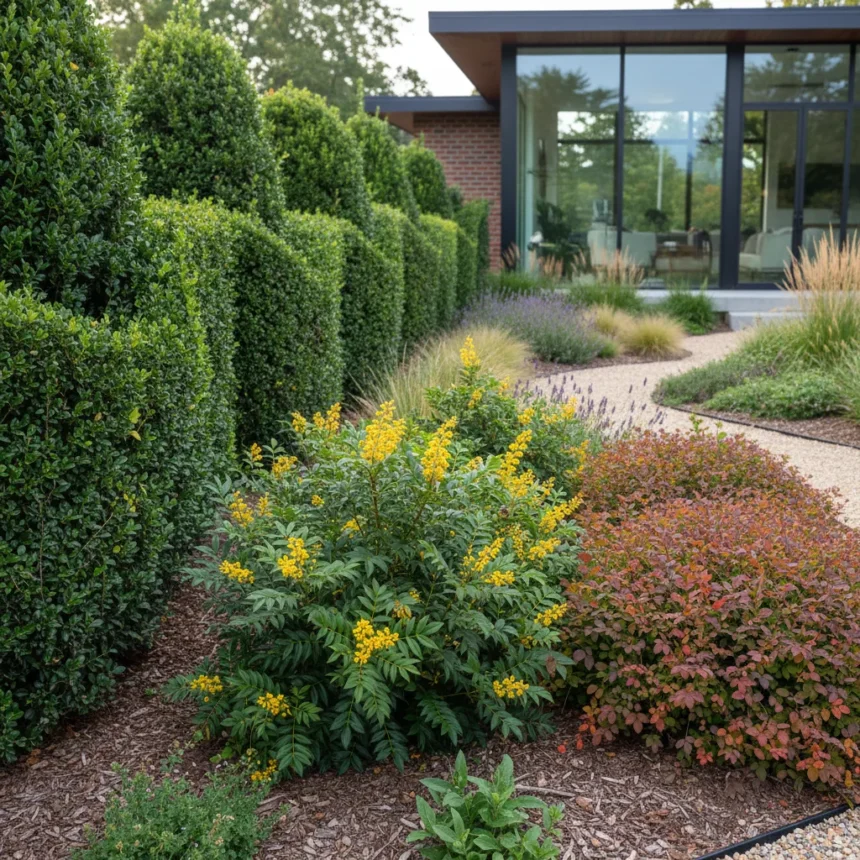
Boxwood alternatives are reshaping how gardeners approach formal landscapes, as homeowners and designers reconsider the traditional hedge’s role in contemporary gardens. The shift reflects broader concerns about plant health, maintenance demands, and wildlife value—factors that have prompted a meaningful reassessment of what belongs in a well-designed outdoor space.
Key Takeaways
- Gardeners are actively seeking boxwood alternatives due to resilience and maintenance concerns.
- Formal garden aesthetics remain achievable with carefully selected shrub species.
- Bird-friendly shrubs offer dual benefits: visual structure and ecological value.
- Low-maintenance alternatives reduce long-term garden workload.
- The shift reflects changing priorities in residential landscape design.
Why Gardeners Are Reconsidering Boxwood
Boxwood has dominated formal garden design for centuries, prized for its dense foliage, compact growth habit, and ability to hold a sharp silhouette when pruned. Yet gardeners increasingly face practical challenges that make this traditional choice less appealing than it once was. Box blight—a fungal disease that can devastate boxwood plantings—represents a genuine threat in many regions, forcing gardeners to weigh the risks of replanting the same species or exploring alternatives that offer comparable aesthetic appeal without the same vulnerability.
The maintenance burden of boxwood also weighs heavily on modern gardeners. Regular pruning schedules, pest monitoring, and disease prevention create an ongoing commitment that many homeowners find unsustainable. Gardeners searching for boxwood alternatives are often motivated by the desire for shrubs that deliver formal elegance with significantly lower upkeep demands. This practical consideration has opened the door to cultivars and species that were previously overlooked in favor of boxwood’s established reputation.
The Appeal of Formal Shrubs Beyond Boxwood
An elegant shrub that provides formal structure without boxwood’s drawbacks represents a compelling alternative for landscape design. Such shrubs maintain the clean lines, dense foliage, and architectural presence that define formal gardens, while offering advantages in disease resistance, growth vigor, or ecological benefit. The ability to achieve the same visual impact with reduced maintenance and greater reliability has made these alternatives increasingly popular among gardeners who value both aesthetics and practicality.


Formal garden design does not require boxwood—it requires a plant that responds well to pruning, maintains a compact habit, and creates visual structure in the landscape. Several shrub species can fulfill these requirements, allowing gardeners to preserve the formal aesthetic they desire while shifting to plants better suited to their specific growing conditions and maintenance capacity. This flexibility has expanded the creative possibilities for garden designers working with residential properties.
Wildlife Value and Garden Ecology
An often-overlooked advantage of exploring boxwood alternatives is the opportunity to integrate plants that actively support local wildlife. Many shrubs that offer formal appeal also provide food, shelter, and nesting habitat for birds and other beneficial garden visitors. This ecological dimension adds genuine value beyond mere visual interest—a garden becomes not just beautiful but also functional within the broader ecosystem.



Gardeners increasingly recognize that shrub selection influences the health of their local environment. Choosing plants that attract birds creates a dynamic, living garden rather than a static architectural feature. This shift in perspective—valuing wildlife alongside aesthetics—reflects changing attitudes about what a well-designed garden should accomplish. The integration of bird-friendly shrubs into formal landscape schemes represents a meaningful evolution in contemporary garden practice.
Making the Transition
For gardeners considering a shift away from boxwood, the transition need not be abrupt or disruptive. Existing boxwood can remain in place while new plantings incorporate alternatives, allowing for gradual change over time. This phased approach reduces the visual impact of renovation while giving gardeners the opportunity to evaluate how new species perform in their specific conditions before committing to wholesale replacement.
The decision to explore boxwood alternatives reflects practical wisdom rather than abandonment of formal garden principles. Gardeners who make this shift are not rejecting elegance or structure—they are simply choosing plants better suited to modern growing conditions, contemporary maintenance expectations, and evolving values around ecological responsibility. The result is gardens that remain visually sophisticated while becoming more resilient and rewarding to maintain.
Are boxwood alternatives truly low-maintenance?
Most boxwood alternatives require less frequent pruning and monitoring than boxwood, though they still benefit from occasional shaping to maintain formal structure. The specific maintenance demands depend on the species selected and the desired degree of formality in the garden.


Do bird-friendly shrubs work in formal garden designs?
Yes. Many shrubs that attract birds can be pruned and shaped to create the clean lines and dense foliage characteristic of formal gardens, making them suitable for both aesthetic and ecological goals.
How long does it take to establish a new shrub planting?
Most shrubs require 2-3 years to reach mature size and density, though they can contribute to garden structure much sooner. Patience during establishment allows plants to develop robust root systems and healthy growth.
The movement toward boxwood alternatives represents a natural evolution in gardening practice, driven by genuine concerns about plant health, maintenance burden, and ecological value. Gardeners exploring these options are not making a radical departure from formal garden tradition—they are adapting it to modern conditions and contemporary priorities. The result is landscapes that remain elegant and structured while becoming more resilient, sustainable, and welcoming to wildlife.
Where to Buy
17% OFFFelco F2 Pruning Shears$71$86shop now | Amazing StuffGarden Gloves$9.99shop now | 11% OFFGrampa's Weeder$39$44shop now
Edited by the All Things Geek team.
Source: Tom's Guide