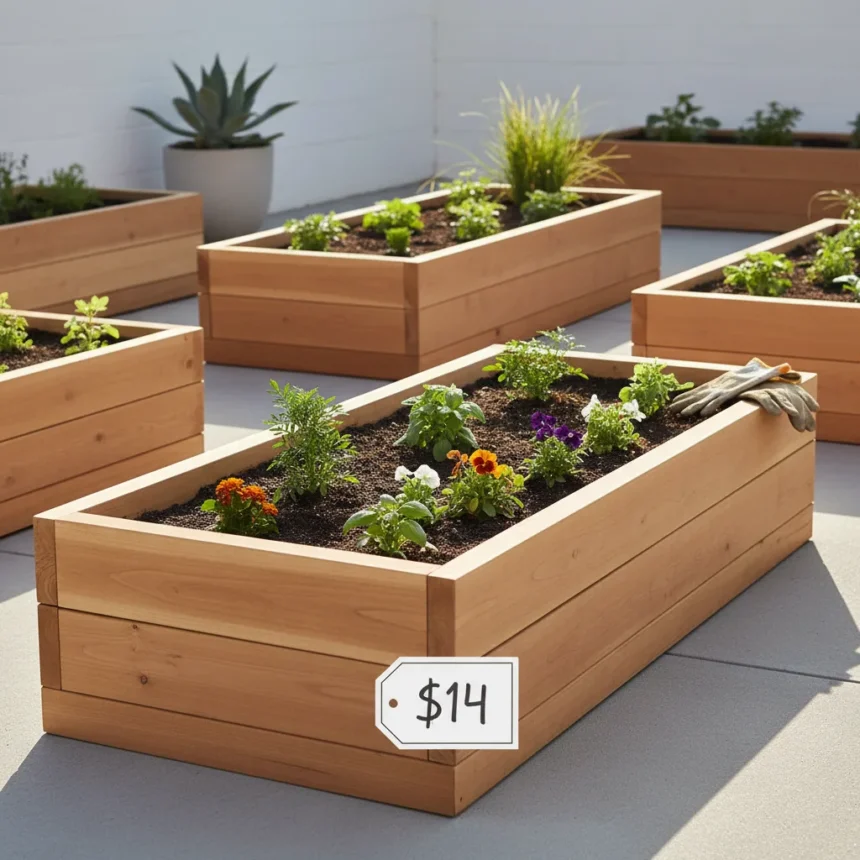
A raised bed planter doesn’t have to cost a fortune. Budget-conscious gardeners can skip the usual suspects like Amazon and IKEA and find stylish options for as little as $14.
Key Takeaways
- Quality raised bed planters are available at budget retailers for under $15
- Alternative retailers offer competitive pricing compared to major online marketplaces
- Stylish raised bed planter designs don’t require premium price tags
- Shopping beyond Amazon and IKEA unlocks better value for outdoor gardening
- Budget planters deliver the same functionality as expensive counterparts
Where to Find Affordable Raised Bed Planters
Most gardeners assume they need to shop at Amazon or IKEA for raised bed planters, but budget-friendly alternatives exist at retailers many people overlook. A raised bed planter is a garden container system designed to elevate soil and plants off the ground, typically made from wood, metal, or composite materials, enabling easier access and better drainage. Finding one at $14 proves that style and affordability can coexist in outdoor gardening.
The raised bed planter market has historically been dominated by big-box retailers and online giants, but smaller retailers and specialty garden shops now compete aggressively on price. When you expand your shopping beyond the usual suspects, you discover that raised bed planters with comparable aesthetics and durability cost significantly less. The key is knowing where to look and what features actually matter for your garden setup.
Why Raised Bed Planters Beat In-Ground Gardening
Raised bed planters offer distinct advantages over traditional in-ground gardening. They provide better drainage, reduce back strain during planting and weeding, and allow you to control soil quality completely. A raised bed planter also warms up faster in spring, extending your growing season by several weeks in cooler climates. For urban gardeners with limited space, raised beds are often the only viable option.


The stylistic appeal matters too. Modern raised bed planters come in finishes and colors that complement outdoor décor, making them functional garden infrastructure that actually looks intentional. Unlike basic utilitarian designs from decades past, today’s raised bed planters serve as landscape features. This aesthetic shift explains why people are willing to pay premium prices at major retailers—they want something that performs and looks good.
Raised Bed Planter Value Comparison
When comparing raised bed planters across retailers, price isn’t the only variable. Material durability, weather resistance, and assembly difficulty all factor into true value. A $14 raised bed planter that lasts three seasons delivers worse value than a $50 option lasting ten years. However, many budget alternatives use the same materials and manufacturing as their expensive counterparts, with the price difference coming down to brand markup and retail overhead.

The discovery of affordable raised bed planters at unexpected retailers suggests that the gardening industry has overcomplicated simple products. A raised bed planter fundamentally needs to hold soil and withstand weather. Expensive versions add design flourishes and premium finishes, but basic functionality remains identical across price tiers. Smart shoppers recognize this and vote with their wallets.
Getting Started With Budget Raised Bed Planters
If you’re new to raised bed gardening, starting with a budget raised bed planter makes sense. You’ll learn what size works for your space, which materials suit your climate, and whether you prefer wood, metal, or composite construction before investing heavily. A $14 entry point lets you experiment without financial risk.
Assembly typically takes 15-30 minutes for most raised bed planters. Ensure you have a level surface—even slight slopes cause water pooling in corners. If you’re placing the planter on grass, remove the sod first to prevent weeds from growing up through drainage holes. Fill with quality garden soil, not topsoil alone, to give plants the nutrients they need.
Will a Budget Raised Bed Planter Last?
Longevity depends on material. Wood raised bed planters, especially untreated softwood, typically last 3-5 years before rot sets in. Metal options resist weather better, often lasting 7-10 years. Composite materials fall somewhere in between. At $14, a raised bed planter likely uses affordable materials, so expect it to perform adequately for a season or two before replacement becomes necessary. If you garden seriously and want something lasting a decade, budget models may disappoint—but for casual gardeners or those testing the hobby, they’re perfectly adequate.



Can I use a raised bed planter for vegetables and flowers?
Yes, raised bed planters work for both vegetables and ornamental flowers. The key difference is soil depth: vegetables need 8-12 inches minimum, while many flowers thrive in 6 inches. A raised bed planter designed for general gardening typically accommodates both uses, though you might need to adjust your plant selection based on the depth available.
How deep should a raised bed planter be?
Depth depends on what you’re growing. Shallow-rooted plants like lettuce and herbs need 6-8 inches. Root vegetables like carrots and beets need 10-12 inches. Deep-rooted plants like tomatoes and peppers benefit from 12-18 inches. Most standard raised bed planters split the difference at around 10-12 inches, making them versatile for mixed plantings.
Do I need to line the bottom of a raised bed planter?
Lining is optional but recommended. A landscape fabric or hardware cloth layer prevents burrowing pests and weeds from entering from below while still allowing drainage. If you’re placing your raised bed planter on concrete or pavement, lining is less critical. On soil or grass, it makes maintenance easier long-term.
Budget raised bed planters prove that you don’t need to spend big money at premium retailers to start gardening seriously. The real value isn’t in the brand name or the retail location—it’s in getting your hands in the soil and growing something. At $14, you remove the financial barrier that keeps many people from trying raised bed gardening altogether.
Edited by the All Things Geek team.
Source: Tom's Guide