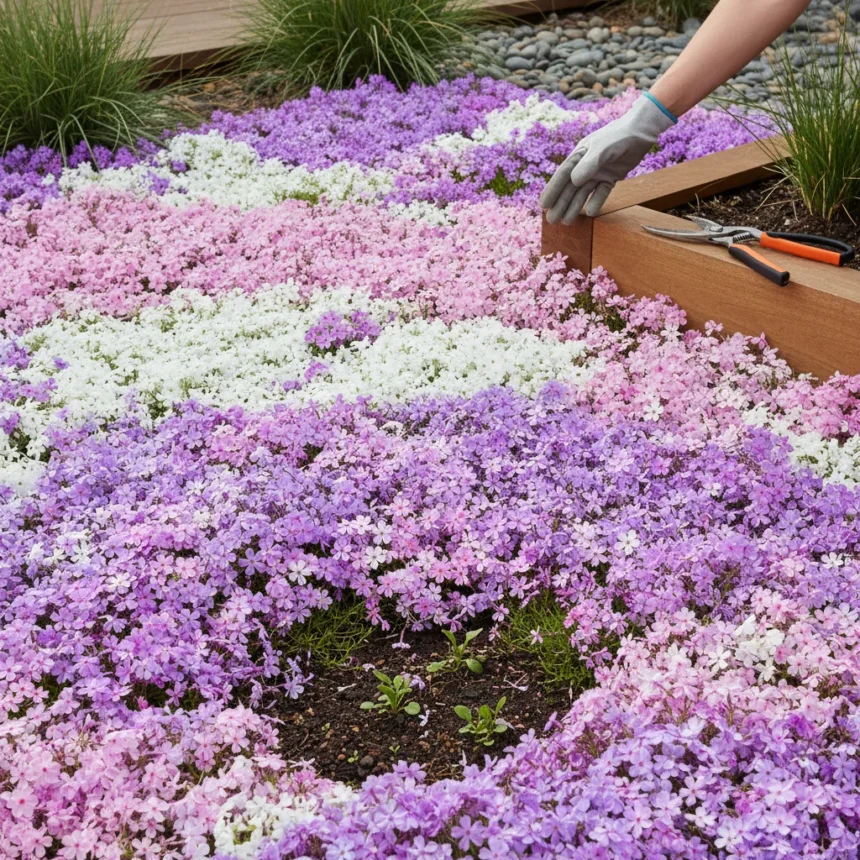
Ground cover plants weed suppression is reshaping how homeowners tackle unwanted vegetation. Instead of spending money on chemical herbicides year after year, gardeners are discovering that low-growing perennials can outcompete weeds entirely by filling soil space and blocking sunlight from reaching weed seeds.
Key Takeaways
- Creeping phlox grows 4-6 inches tall and spreads up to 2 feet, thriving in USDA zones 3-9 with full sun exposure.
- Ground covers eliminate weeds by occupying space, reducing bare soil where weeds germinate and take root.
- Creeping phlox costs $10-20 per plant at nurseries; seeds run $3-5 per packet online.
- Planting in spring or fall with 12-18 inch spacing ensures rapid coverage and weed suppression within one growing season.
- Other shade-tolerant options include lamium (deadnettle) and sedum (stonecrop) for varied growing conditions.
Why Ground Cover Plants Work Better Than Weedkiller
Chemical herbicides cost money upfront and require repeated applications. Ground cover plants, by contrast, occupy the soil space that weeds need to establish. As one gardening expert notes, the strategy is simple: the more area ground covers take up, the less room remains for weeds to germinate and grow. Once established, these plants suppress weeds year after year without additional expense or chemical exposure.
Unlike manual weeding tools or labor-intensive removal, ground covers provide a passive defense. They compete directly with weeds for light, water, and nutrients, making survival nearly impossible for unwanted plants in densely planted areas. This approach aligns with growing environmental concerns about herbicide runoff and soil degradation, making it especially appealing as regulations around chemical use tighten.
Creeping Phlox: The Gold Standard for Ground Cover Plants Weed Suppression
Creeping phlox (Phlox subulata) is the top expert recommendation for ground cover plants weed suppression in most regions. This low-growing evergreen perennial reaches just 4-6 inches tall but spreads up to 2 feet wide, creating a dense mat that chokes out weeds before they establish. It thrives in USDA zones 3-9, prefers full sun (6+ hours daily), and tolerates drought once its root system matures.


What makes creeping phlox particularly valuable is its rapid spread via rooting stems. Plants establish quickly, often providing substantial weed coverage within the first growing season. Spring blooms arrive in pink, purple, or white, adding aesthetic appeal beyond weed control. At $10-20 per 1-gallon pot from nurseries like Home Depot or Lowe’s, the initial investment is modest compared to years of herbicide purchases.
Alternative Ground Cover Plants for Different Conditions
Not every yard has full sun. Lamium maculatum (deadnettle) thrives in shade and features spotted leaves that add visual interest while suppressing weeds just as effectively. For gardeners with poor, compacted soil, sedum (stonecrop) excels—this succulent tolerates drought and nutrient-poor conditions while still outcompeting weeds. Vinca minor (periwinkle), another evergreen option, produces delicate blue flowers and adapts to partial shade.



The key is matching the plant to your site conditions. A shade-tolerant ground cover planted in a sunny location will struggle, leaving gaps where weeds establish. Similarly, drought-tolerant sedum in consistently wet soil invites root rot. Assess your yard’s light, soil drainage, and moisture levels before selecting your ground cover species.
How to Plant Ground Cover Plants for Maximum Weed Suppression
Proper installation is critical to ground cover plants weed suppression success. Start by clearing existing weeds from the area and loosening the top 6 inches of soil. If drainage is poor, amend with compost to improve it.
Dig holes twice the width of the root ball and space plants 12-18 inches apart in spring or fall, the ideal planting windows. Plant each specimen at the same depth it occupied in its nursery pot—planting too deep invites stem rot. Firm soil around roots and water thoroughly to eliminate air pockets.
For the first 4-6 weeks, keep soil consistently moist but not waterlogged. Once established, reduce watering to weekly deep soakings. Apply 1-2 inches of organic mulch around plants (avoiding direct contact with stems) to suppress remaining weeds and retain soil moisture while the ground covers fill in.



Maintenance and Long-Term Care
Ground cover plants require minimal upkeep compared to chemical weed management. Trim spent flowers after spring blooms fade to encourage bushier growth. Every 3-4 years, divide overgrown clumps to rejuvenate older plantings and fill any thin spots where weeds might creep back.
The payoff arrives quickly. By mid-summer of the first year, dense ground cover should suppress most weed emergence. By year two, established plants create an almost impenetrable barrier against new weed seeds, eliminating the need for herbicides or constant weeding.
Ground Cover Plants vs. Chemical Alternatives
Chemical pre-emergent herbicides work by preventing weed seeds from germinating, but they require annual reapplication and carry environmental costs. Ground covers achieve the same result—preventing weed establishment—but do so naturally and permanently. Once planted, they improve soil erosion control, add seasonal color, and require no toxic inputs.
Manual weeding tools like Grampa’s Weeder remove existing weeds effectively but demand ongoing labor. Ground covers eliminate the need for this repetitive work entirely by preventing weeds from taking hold in the first place.
Can ground cover plants really eliminate all weeds?
Ground covers suppress the vast majority of weeds by filling soil space and blocking light. However, aggressive perennial weeds or seeds blown in from neighboring yards may occasionally emerge in thin spots. The key is dense, well-established planting. Most gardeners find that 90%+ weed reduction justifies the initial planting effort.
How long does it take for ground covers to fill in and suppress weeds?
Creeping phlox and similar spreaders typically provide noticeable weed suppression within 6-8 weeks of planting, with substantial coverage by the end of the first growing season. Full, dense mats that nearly eliminate weeds usually develop by year two.
What’s the best time to plant ground cover plants?
Spring and fall are ideal planting windows because cooler temperatures and seasonal moisture reduce transplant stress. Avoid planting during summer heat or winter dormancy, when establishment rates drop significantly.
Ground cover plants weed suppression represents a shift toward low-maintenance, chemical-free yards that work with nature rather than against it. The upfront effort of planting pays dividends for years, cutting both costs and labor while adding beauty to your landscape. For gardeners tired of buying weedkiller and pulling weeds, creeping phlox and its ground cover cousins offer a permanent solution that actually improves your yard’s ecosystem.
Where to Buy
17% OFFFelco F2 Pruning Shears$71$86shop now | Amazing StuffGarden Gloves$9.99shop now | CobraHeadOriginal Weeder & Cultivator$39shop now | 11% OFFGrampa's Weeder$39$44shop now
Edited by the All Things Geek team.
Source: Tom's Guide