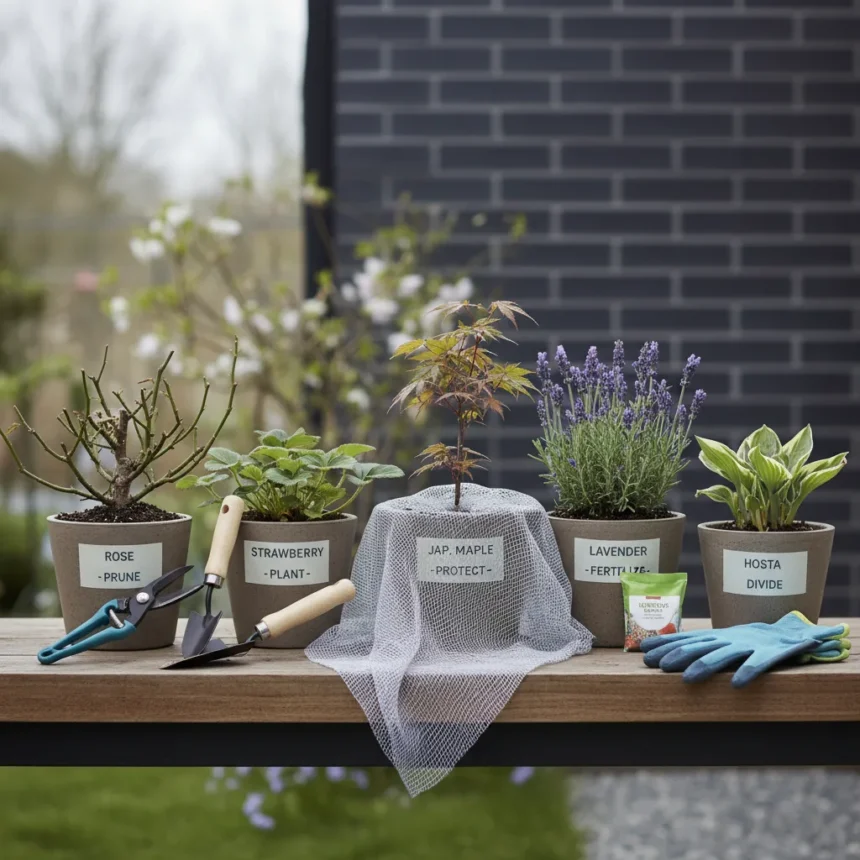
March garden plants sit at a critical juncture. As dormant growth awakens and frost patterns shift, the actions you take this month determine whether your garden thrives or merely survives through summer. For gardeners in zones 2-11, March is the make-or-break window for five plant categories that respond to precise timing rather than guesswork.
Key Takeaways
- Prune roses, lavender, hydrangeas, and ornamental grasses in March before new growth hardens.
- Sow Cosmos, Calendula, Pansies, and Nasturtiums directly or indoors depending on your zone.
- Plant tubers like dahlias, begonias, and calla lilies after the last frost passes.
- Start cool-season vegetables: carrots, broad beans, peas, radishes, and kale in zones 4-10.
- Azaleas and fruit trees planted post-frost need 6+ hours of sun and careful depth placement.
Flowers to Sow Now: Cosmos, Calendula, and Pansies
Early-spring flowers demand March action because they germinate best when soil is cool but workable. Cosmos thrives in warmer zones with direct March sowing—scatter seeds into prepared beds and lightly rake them in without burying them deep. In cooler regions, start seeds indoors and transplant after frost. Cosmos prefers full sun and lean, average soil; resist the urge to fertilize, which produces foliage at the expense of blooms.
Calendula offers earlier color with orange and yellow flowers that tolerate cool soil. Press seeds just 1/4-inch into well-drained soil and keep them evenly moist until seedlings emerge. Pansies present another option: in mild regions, plant directly into borders or containers in March; where frost lingers, start seeds indoors or buy nursery plants once soil becomes workable. Both prefer evenly moist compost and tolerate partial shade, though full sun maximizes flower production.
Nasturtiums complete this quartet but demand patience in cold climates. Warmer zones can sow seeds 1-inch deep in March, but cooler areas should wait until soil warms or use biodegradable pots for earlier indoor starts. These edible flowers thrive in lean soil—fertilizer produces leafy plants instead of blooms—making them ideal for gardeners who want color without fussing.


Pruning: The Dormancy-to-Growth Window
March pruning targets plants caught between dormancy and active growth. Ornamental grasses demand the simplest approach: cut them to just a few inches above ground before new shoots emerge. Roses require more precision—prune to buds facing your desired direction and remove dead, diseased, or inward-facing branches. Climbing roses need their canes secured as they begin to grow.
Lavender responds to a gentler trim: remove last year’s growth but leave a few inches of new shoots intact. This prevents hard pruning into bare wood, which kills the plant. Hydrangeas present a regional puzzle. Mophead and lacecap varieties benefit from post-February pruning in cold climates, where the previous year’s flower heads act as frost protection. Wait until frost danger passes before cutting, or risk losing flower buds to late freezes.



Tubers and Bulbs: Plant After Frost Passes
Begonias, dahlias, calla lilies, and gladiolus cannot tolerate frost, so March planting depends entirely on your zone’s last frost date. Tuberous begonias suit containers with rich, moist compost. Dahlias and gladiolus benefit from staggered planting every two weeks to extend bloom time rather than a single flush. Calla lilies and cannas prefer warm soil and full sun; plant them at the same depth they were growing in their nursery pots to avoid rot.
Azaleas and fruit trees like cherry and lemon varieties can go in the ground once frost risk passes. Space azaleas 2-6 feet apart in full sun (6+ hours minimum) and position roots at or just below soil level—planting too deep invites root rot. These evergreen shrubs prefer acidic, well-draining soil and reward careful placement with decades of reliable growth.
Vegetables: Cool-Season Crops and Root Vegetables
March vegetable planting splits into two camps: cool-season crops that tolerate light frost and root vegetables that germinate in warming soil. Broad beans, kale, spinach, and lettuce thrive in cool, moist conditions and can go in the ground as soon as soil is workable. Radishes are the impatient gardener’s friend—Cherry Belle varieties mature in weeks, making them ideal for testing soil conditions.
Carrots demand patience, as gardeners often discover. March is the ideal sowing window in zones 4-10, but germination takes 14-21 days and roots need consistent moisture. Peas—particularly Sugar Snap and Wando varieties—offer faster gratification, germinating in cool soil and producing sweet pods within weeks. Potatoes, onions, and beets round out the March vegetable roster, all preferring soil temperatures between 50-70°F.


Leeks: The Underrated Cool-Season Crop
Leeks deserve mention alongside traditional March vegetables. These mild alliums thrive in cool, moist soil and can be harvested anytime once they reach usable size. Unlike onions, which demand consistent warmth, leeks actually improve in flavor as temperatures drop, making them a smart choice for spring planting in any zone.
Common March Planting Mistakes
Overfeeding Cosmos and Nasturtiums triggers excessive leaf growth at the expense of flowers. Burying seeds too deep prevents germination entirely—shallow pressing works better for most March sowings. Planting azaleas too deep causes root rot and stunted growth. Finally, rushing frost-tender tubers into cold soil wastes money; wait until soil warms or use row covers and cloches to protect early plantings.
Should I plant everything in March, or stagger it?
Stagger planting for continuous harvests and blooms. Sow lettuce and radishes every two weeks; plant gladiolus bulbs in succession for rolling color; start vegetable seeds indoors and outdoors at different times. This extends your season rather than creating a single glut of ripeness.
What’s the difference between direct sowing and starting seeds indoors?
Direct sowing places seeds straight into garden soil—faster and simpler but requires warmer soil. Starting indoors gives cold-climate gardeners a head start, producing transplants ready to move outside after frost. Choose based on your zone and the plant’s cold tolerance.
Can I plant frost-tender tubers before the last frost date?
Not safely. Dahlias, begonias, and calla lilies rot in cold soil. Wait until frost danger passes—typically 2-4 weeks after your region’s average last frost date—or use row covers and cloches to warm soil early.
March garden plants demand action precisely because they sit between seasons. Prune while dormancy still protects pruning wounds from disease. Sow before soil warms too much. Plant tubers after frost’s final pass. This alignment of timing and biology is what separates thriving gardens from struggling ones. Start now, and summer will reward your March discipline.
Where to Buy
Edited by the All Things Geek team.
Source: Tom's Guide