The Philips Baristina bean-to-cup espresso machine promises something rare: fresh espresso without the learning curve. You pour beans into a hopper, swipe the portafilter handle, and the machine handles everything else—grinding, dosing, tamping, and extracting—in about 42 seconds. After more than a year of waiting for UK availability, the Baristina is now shipping globally, priced at $399, and it challenges the assumption that bean-to-cup simplicity requires either expensive fully automatic machines or the surrender of fresh beans to pod systems.
Key Takeaways
- Automates grinding, dosing, and tamping with one portafilter swipe; espresso ready in 42 seconds.
- Ceramic flat burr grinder with fixed settings; no manual grind or dose adjustment.
- Fresh bean espresso without pods or capsule waste; compact design fits small kitchens.
- PA plastic portafilter criticized for material quality; milk frother sold separately.
- Priced at $399, roughly half the cost of comparable fully automatic machines.
How the Philips Baristina Bean-to-Cup Espresso Machine Works
The workflow is deliberately minimal. Insert the portafilter into the dosing and tamping station, push or swipe the handle, and the machine auto-grinds fresh beans directly into the filter, auto-doses approximately 10 grams, auto-tamps the grounds, and returns the portafilter to the brew group. Extraction begins automatically. A standard espresso takes roughly 42 seconds; a lungo (longer pull) takes about 65 seconds. Remove the portafilter, tap out the spent grounds, and repeat. No pressure gauges to read, no tamping technique to master, no grind size to dial in.
This hybrid design splits the difference between super-automatic machines and semi-automatic espresso makers. You get the fresh-bean taste and environmental benefits of a traditional portafilter system without the technical friction that intimidates most home users. The machine handles the three hardest variables—grind consistency, dose weight, and tamp pressure—automatically, leaving the user to manage only bean selection and water refills.
Fresh Beans vs. Pods: A Real Trade-Off
Pod machines like Nespresso are undeniably convenient, but the Philips Baristina bean-to-cup espresso machine delivers noticeably better flavor from fresh beans and eliminates the ongoing waste of aluminum or plastic capsules. For someone transitioning from pods, the one-swipe workflow removes the primary objection to bean-to-cup machines: complexity. You are not choosing between convenience and quality anymore. The machine delivers both.
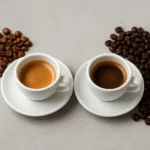

Compared to manual semi-automatic espresso makers (like Breville), the Baristina removes the need to learn grind adjustment, tamping pressure, and shot timing. Compared to fully automatic machines that cost $800 to $1,200, the Baristina is half the price and requires simpler cleaning—no brew group disassembly or grounds bin to empty.
What Works Well
The ceramic flat burr grinder is consistent and produces a fresh aroma that pod machines cannot match. The compact, minimalist black and grey design fits small kitchens without dominating counter space. The machine is reliable; it delivers the same espresso shot every time, removing the guesswork that frustrates beginners. Brew time is genuinely fast—under 45 seconds from bean to cup is competitive with pod machines and faster than most manual espresso workflows.

The Baristina also handles pre-ground coffee and decaf by design. Fill the portafilter halfway with pre-ground coffee, insert it, and hold the boost button for 5 seconds. This flexibility appeals to households where different people prefer different coffee types. The boost button itself adds a stronger brew option without changing extraction time, giving you three drink profiles from one machine.
Where the Philips Baristina Bean-to-Cup Espresso Machine Falls Short
The PA plastic portafilter is the most visible compromise. Reviewers have criticized the material quality, noting that it feels less durable than the stainless steel or brass filters on higher-end machines. There is no way to know how this plastic will age after thousands of brews, and replacement costs are unknown.
The ceramic flat burr grinder has no adjustment levels, meaning you cannot fine-tune the grind size for different beans or brewing styles. If you buy a light roast that extracts differently than a dark roast, the machine cannot adapt. This limitation is acceptable for casual users but will frustrate coffee enthusiasts who want to optimize their shots.
The machine also lacks several conveniences found on pricier fully automatic models: no pre-infusion (a brief low-pressure soak that improves extraction), no adjustable coffee or milk foam temperature, no 2-cup function, and no water filter. The milk frother is sold separately, adding $50–$100 to the total cost if you want cappuccinos or lattes. For espresso purists, this is fine. For milk drink lovers, it is an unexpected expense.



Is the Milk Frother Worth Adding?
The separate milk frother accessory heats and froths milk for hot and cold foam, expanding the Baristina’s drink range beyond espresso and lungo. Since the machine itself produces only espresso-like shots, the frother transforms it into a cappuccino or latte maker. Whether it is worth buying depends on your drink preferences; if you are purely an espresso drinker, skip it. If milk drinks matter to you, factor in the additional cost.
Should You Buy the Philips Baristina Bean-to-Cup Espresso Machine?
The Baristina is the right choice if you currently use a pod machine and want better flavor without complexity, or if you have been intimidated by semi-automatic espresso makers and want fresh beans with zero learning curve. At $399, it undercuts fully automatic machines that cost twice as much and delivers faster, more consistent results than manual portafilter machines.
It is the wrong choice if you are a coffee connoisseur who adjusts grind size, dose, and extraction time for different beans, or if you demand the durability and material quality of premium machines. The fixed grind setting and plastic portafilter are dealbreakers for serious enthusiasts.
For the mainstream coffee drinker—someone who values speed, reliability, and fresh flavor over customization—the Philips Baristina bean-to-cup espresso machine is a genuine upgrade from pods and an accessible entry point to bean-to-cup espresso.
How long does it take to make espresso with the Baristina?
A standard espresso takes approximately 42 seconds from portafilter insertion to shot completion. A lungo (longer pull) takes about 65 seconds. Total time from bean to cup, including portafilter removal and grounds disposal, is roughly 1 minute—faster than most manual espresso workflows and competitive with pod machines.
Can you use pre-ground coffee in the Philips Baristina bean-to-cup espresso machine?
Yes. Fill the portafilter halfway with pre-ground coffee (approximately 10 grams), insert it, and press the boost button for 5 seconds. This allows you to use decaf or different bean types without waiting for the grinder or adjusting settings.
Does the Baristina come with a milk frother?
No. The machine produces espresso shots only. A separate milk frother accessory is available for purchase if you want to make cappuccinos, lattes, or other milk-based drinks.
The Philips Baristina bean-to-cup espresso machine succeeds because it does one job exceptionally well: it removes the barriers between wanting fresh espresso and actually drinking it. The plastic portafilter and fixed grind settings are real limitations, but for the price and the promise of reliability, they are acceptable trade-offs for anyone tired of pods or intimidated by manual machines. It is not the machine for perfectionists, but it is the machine for everyone else.
Where to Buy
Edited by the All Things Geek team.
Source: T3