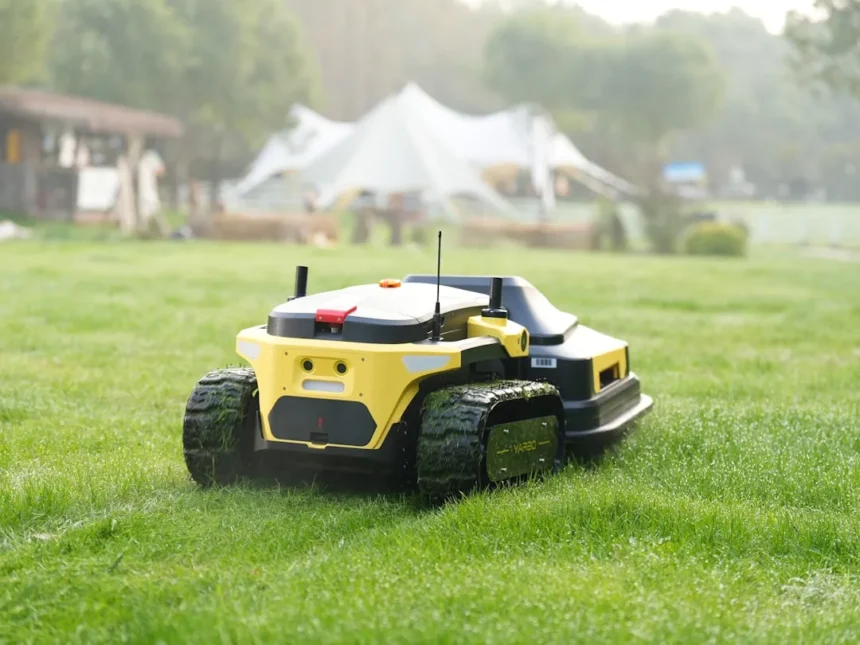
A robot lawnmower at the $1,000 price point promises to transform yard maintenance into a hands-off experience. After a full month of real-world use, the reality is more nuanced than the marketing suggests. The robot lawnmower delivers genuine convenience in some areas while revealing frustrating limitations in others that matter for daily lawn care.
Key Takeaways
- Robot lawnmowers automate grass cutting but require significant setup and boundary management
- Maintenance demands are lower than traditional mowers but not zero
- Weather and terrain create practical constraints on autonomous operation
- Initial investment is substantial; long-term value depends on yard size and layout
- Noise levels are generally low but may vary by model and cutting mode
What Works: Three Genuine Strengths
The robot lawnmower excels at consistent, frequent cutting when conditions align. Unlike traditional mowers that require a dedicated time block, this machine handles regular maintenance automatically, keeping grass at a uniform height throughout the week. For homeowners who value their weekends, that convenience is real and measurable.
The noise profile is dramatically lower than gas or electric push mowers. Early morning or evening operation doesn’t disturb neighbors, which opens up flexibility for when the machine runs. This is particularly valuable in suburban settings where noise restrictions or social considerations matter.
Maintenance burden drops significantly compared to traditional equipment. No spark plugs, no oil changes, no seasonal winterization. The robot simply returns to its charging dock and handles its own upkeep. For people who view lawn care as a necessary chore rather than a hobby, this reduction in hands-on work is genuinely appealing.


Where the Robot Lawnmower Falls Short
Setup demands more effort than the marketing suggests. Boundary installation requires careful planning and physical work to create a perimeter the machine can follow. Obstacles, slopes, and irregular yard shapes complicate the process. This is not a plug-and-play device—it requires thoughtful design before it can operate autonomously.
Weather dependency is a real constraint. Heavy rain, extreme heat, or morning dew can prevent operation or compromise cutting quality. The machine cannot work year-round in all climates, and seasonal shutdown periods mean the convenience advantage shrinks in regions with shorter growing seasons. This limitation is rarely emphasized in marketing materials but becomes obvious during the first month of ownership.



The robot lawnmower struggles with certain terrain types. Steep slopes, thick overgrown grass, and complex landscaping features create operational challenges. If your yard includes these elements, the machine’s autonomous capability diminishes, and manual intervention becomes necessary. This is particularly frustrating when the device gets stuck and requires recovery.
Robot Lawnmower vs. Traditional Mowing
A conventional push mower offers full control and works in any weather condition. You can mow whenever you want, handle complex terrain without limitation, and complete the job in a single session. The trade-off is time and physical effort. A robot lawnmower inverts this equation: it saves time and effort but sacrifices control and versatility. For homeowners with straightforward, well-maintained yards, the robot lawnmower wins. For those with challenging landscapes or unpredictable weather, the traditional mower remains more practical.
The financial comparison favors the robot lawnmower only if you value your time highly and plan to keep the device for several years. The upfront cost is significant, and repair expenses can add up. If you use it sporadically or in a climate with a short mowing season, the per-use cost climbs quickly.
Should You Buy a Robot Lawnmower?
A robot lawnmower makes sense if you have a medium-sized yard with relatively flat terrain, stable weather patterns that allow regular operation, and a willingness to invest in proper setup. If your lawn is small enough to mow in under 30 minutes with a push mower, the robot lawnmower offers minimal time savings. If your yard is very large or complex, the robot lawnmower may not handle it effectively. The sweet spot is a homeowner with a typical suburban yard who values convenience enough to justify the cost and is willing to manage the setup and seasonal limitations.



Does a robot lawnmower work in rainy climates?
Most robot lawnmowers struggle in wet conditions. Rain interferes with sensors, reduces traction, and can damage the cutting deck. In climates with frequent rain, you’ll experience significant downtime and operational limitations that reduce the convenience advantage.
How long does setup take for a robot lawnmower?
Initial boundary installation typically requires 4-8 hours depending on yard size and complexity. This is not a quick unboxing experience. You must plan the perimeter carefully, install the charging dock in an optimal location, and test the system thoroughly before leaving it to operate unsupervised.
Can a robot lawnmower handle slopes?
Most models handle gentle slopes up to 15-20 degrees, but steep terrain creates reliability issues. The machine may lose traction, tip over, or simply refuse to navigate the slope. If your yard has significant elevation changes, you’ll need to verify that the specific model can manage them before purchase.
A month with a robot lawnmower reveals a device that genuinely solves the time problem for a specific type of homeowner—one with a cooperative yard and realistic expectations. It is not a universal solution, and the marketing hype often obscures the real constraints. Buy one because you understand what it can and cannot do, not because you expect it to replace all lawn care responsibilities.
Where to Buy
Edited by the All Things Geek team.
Source: Tom's Guide