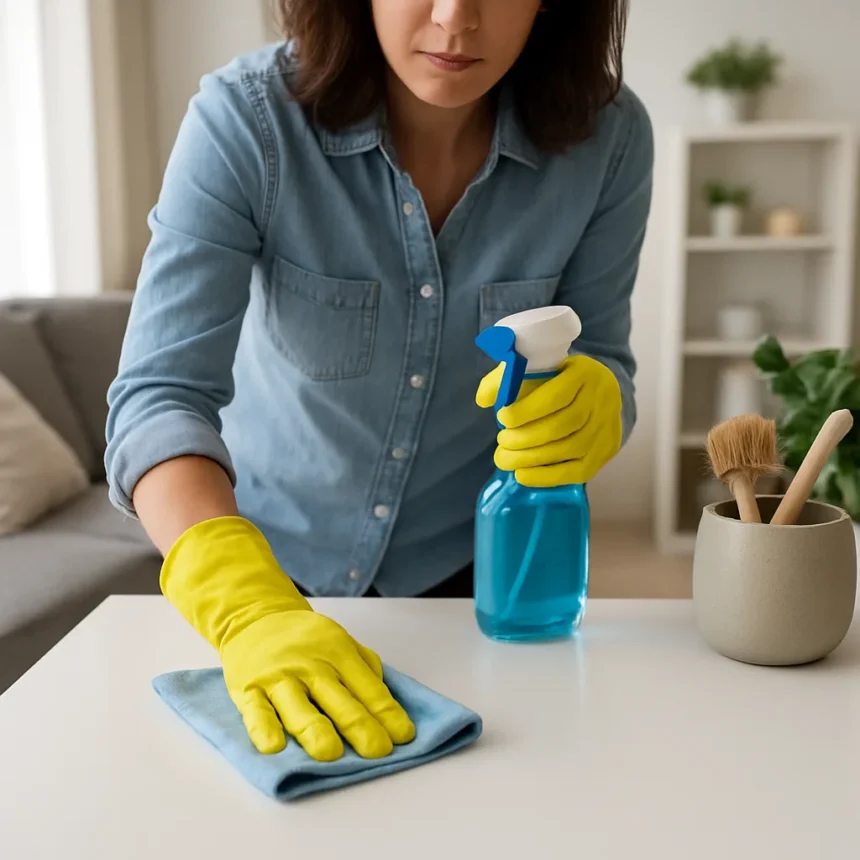
Home cleaning tasks that most people skip are the ones that matter most when it comes to keeping germs at bay. A surface that looks clean and a surface that is actually disinfected are two very different things, and the gap between them is where bacteria quietly thrive. Most cleaning routines focus on the obvious — vacuuming floors, wiping counters — while the high-touch, often-overlooked spots go untouched for weeks.
The High-Touch Surfaces Your Cleaning Routine Ignores
Door handles are among the most frequently touched surfaces in any home, yet they rarely make it onto a daily cleaning checklist. Kitchen cabinet handles and bathroom drawer pulls are in the same category — touched dozens of times a day by hands that have just handled raw food, used the toilet, or come in from outside. According to Tom’s Guide, these surfaces need daily wiping with a microfiber cloth and a proper disinfection session every week.
The microfiber cloth distinction matters here. Unlike standard cotton cloths or paper towels, microfiber physically lifts and traps bacteria rather than just spreading them around. For anyone comparing cleaning methods, that is a meaningful difference — a damp cotton cloth on a door handle can redistribute germs rather than remove them. The daily wipe-down keeps surface germ loads low, while the weekly disinfection step eliminates what daily cleaning misses.
Often-Overlooked Areas Where Grime and Germs Build Up
Beyond the obvious high-touch zones, there are several areas in most homes that go unaddressed for months at a time. Window frame tops and picture frame tops accumulate dust that can harbour mould spores and allergens. Kitchen drawer interiors collect crumbs, moisture, and bacteria from utensils that then go straight into food preparation. Sink drains are perhaps the most overlooked of all — a consistently moist environment that provides ideal conditions for bacterial and mould growth.

These are the home cleaning tasks that separate a home that smells clean from one that genuinely is. Sink drains in particular deserve attention because the problem is invisible — the grime is inside the drain, not on a surface you walk past every day. A regular cleaning schedule for these areas does not need to be complicated, but it does need to exist.
Why Your Cleaning Tools Are Making Things Worse
One of the most counterproductive habits in home cleaning is using dirty tools to clean. Mops, dusters, and brooms that are never themselves cleaned become vectors for the bacteria and mould they were supposed to remove. Tom’s Guide recommends disinfecting these tools at least once a month to prevent bacterial and mould growth from spreading across every surface they touch.



Think about what a mop does after its first use — it carries whatever it picked up from the floor into every subsequent cleaning session unless it is properly disinfected. The same logic applies to dusters that are never washed and brooms that live in damp utility closets. Compared to simply replacing disposable cleaning products every time, maintaining reusable tools with monthly disinfection is both more economical and more environmentally sound — but only if the disinfection actually happens.
Choosing the Right Cleaning Solutions for Germ-Free Results
Not all cleaning products are equal, and some of the most effective options are also the least toxic. Vinegar and water, baking soda, hydrogen peroxide, and Castile soap are all recommended for effective home cleaning. Each has different strengths — hydrogen peroxide is a genuine disinfectant, while vinegar works well as a degreaser and mild antimicrobial agent. Baking soda is effective for scrubbing and deodorising without scratching surfaces.
For households with children, pets, or anyone sensitive to chemical cleaners, these non-toxic alternatives are worth taking seriously. The instinct to reach for the strongest-smelling commercial product is understandable, but a strong smell does not equal strong disinfection. Understanding which solution to use for which surface — hydrogen peroxide on sink drains, vinegar on cabinet handles — is more effective than applying one product everywhere.
How often should I clean door handles and high-touch surfaces?
High-touch surfaces like door handles, kitchen cabinet handles, and bathroom drawer pulls should be wiped daily with a microfiber cloth and disinfected weekly. The daily wipe-down manages surface germ levels, while the weekly disinfection step eliminates bacteria that routine wiping leaves behind.



How often should I clean my mop, duster, and broom?
Cleaning tools including mops, dusters, and brooms should be disinfected at least once a month. Skipping this step means bacteria and mould picked up during previous cleaning sessions get redistributed across your home every time you clean.
What are the best non-toxic cleaning solutions for home use?
Vinegar and water, baking soda, hydrogen peroxide, and Castile soap are all effective non-toxic options for home cleaning tasks. Each suits different surfaces and purposes — hydrogen peroxide works as a genuine disinfectant, baking soda handles scrubbing and deodorising, and vinegar is effective as a degreaser and mild antimicrobial.
The real lesson here is that a germ-free home is less about how often you clean and more about what you clean and with what. Adding high-touch surfaces, overlooked areas like sink drains and drawer interiors, and monthly tool maintenance to your routine will do more for household hygiene than doubling the frequency of the tasks you already do. Start with the spots you have been skipping — that is where the problem actually lives.
Where to Buy
HOMEXCEL 12 Pack Microfiber Cloths:
Edited by the All Things Geek team.
Source: Tom's Guide