





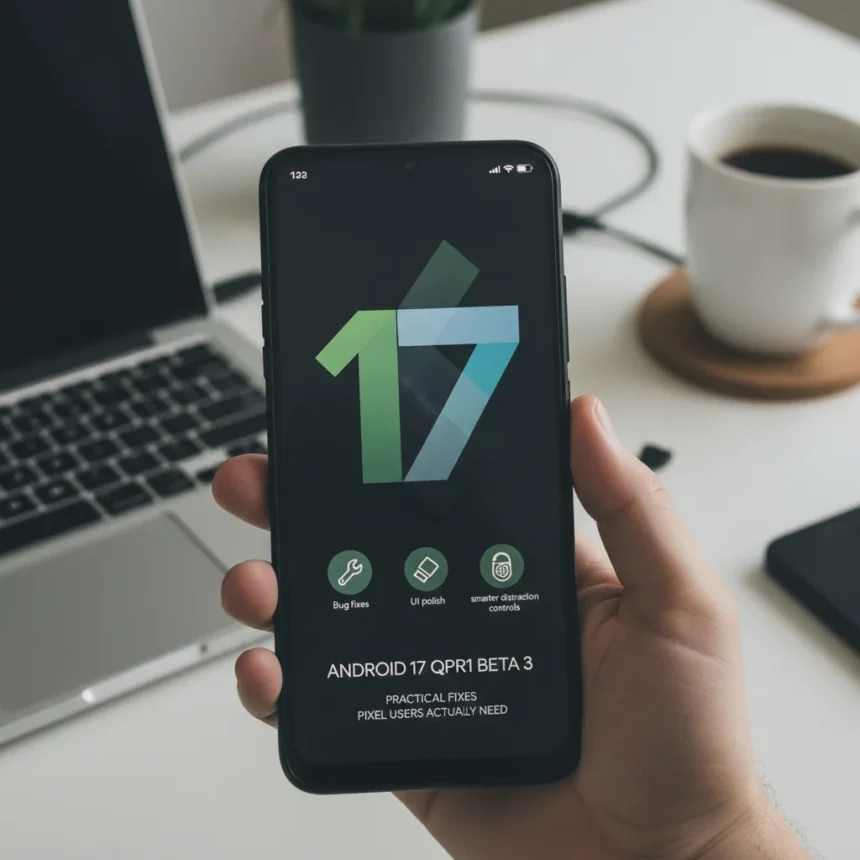
Android 17 QPR1 Beta 3 has arrived, and it is exactly what the headline promises: boring. In the best possible way. Google released the update two weeks after Beta 2, and instead of chasing viral features, the company focused on the kind of refinements that actually improve daily phone use—bug fixes, UI polish, and friction-adding tools to fight phone addiction.
Key Takeaways
- Android 17 QPR1 Beta 3 includes a “slew of bug fixes” and UI refinements across Pixel phones.
- Background blur effects now extend to more parts of the interface, creating visual consistency.
- Pause Point, a distraction-prevention feature, adds a 10-second friction point before opening tagged apps.
- New emojis adopt a 3D-like aesthetic similar to iPhone’s current style.
- Pixel users in the Android Beta Program receive the update automatically.
What Android 17 QPR1 Beta 3 Actually Changes
Android 17 QPR1 Beta 3 is a minor SDK release that serves as a stepping stone between the stable Android 17 rollout and the more substantial QPR2 update. Google explained in an Android Developers Blog post that Beta 3 exists to “support a few features that just couldn’t wait for QPR2.” Translation: some polish and functionality were too ready to hold back. The most visible change is background blur expanding to more UI surfaces, giving Pixel phones a more cohesive visual language. It is the kind of detail most users will not consciously notice but will feel when they interact with the phone. That is exactly the point. This is not about making headlines; it is about making the phone feel tighter, more refined, more intentional.
Pause Point: Friction as a Feature
The more interesting addition is Pause Point, a feature designed to interrupt your phone-scrolling autopilot. Unlike Digital Wellbeing, which simply tracks or limits app usage, Pause Point actively adds friction. Tag an app as distracting, and the next time you try to open it, a 10-second timer appears. During those 10 seconds, you can do breathing exercises, view app alternatives, or set a timer for intentional use. The goal is not to block you—it is to make you pause and ask whether you actually want to open TikTok right now or whether you are just reaching for your phone out of habit. It is a small intervention designed to prevent wasted time on mindless scrolling. Whether it actually works depends on whether users have the discipline to set it up and use it honestly, but the mechanism is sound.
Emoji Refresh and Polish Details
Google has not yet revealed the complete new emoji set, but the company confirmed that the redesigned emojis will adopt a more 3D-like appearance, bringing Android closer to the visual style iPhone users have seen for several years. It is a small but noticeable change that affects how messages look across the platform. Combined with the expanded background blur and the Pause Point refinements, Android 17 QPR1 Beta 3 reads as a release focused on smoothing rough edges rather than adding bold new capabilities.


How to Install Android 17 QPR1 Beta 3
If you own a Pixel phone and are enrolled in the Android Beta Program, the update should arrive automatically. If you want to jump in now, you can install it manually through the beta enrollment page. This is not a major overhaul—it is a maintenance release—but it is the kind of update that makes a phone feel more polished over time. Pixel users who care about staying on the bleeding edge of Android development should grab it. Everyone else can wait for the stable release, which will incorporate these fixes and features into the main Android 17 build.
Why “Boring” Matters in Software
Tech publications often chase flashy announcements because they drive clicks. A headline about a new AI feature or a redesigned interface gets attention. A headline about bug fixes and UI polish does not. But here is what actually matters to people who use phones every day: does the device feel responsive? Do animations feel smooth? Does the software get out of your way when you want to focus? Android 17 QPR1 Beta 3 is betting that the answer to these questions matters more than the next shiny feature. It is a refreshing stance in an industry obsessed with feature bloat. Google is saying, in effect: we fixed things that were broken, we made things feel better, and we added one thoughtful tool for people who want to use their phones more intentionally. That is enough.


Android 17 QPR1 Beta 3 vs. Digital Wellbeing
Pause Point and Digital Wellbeing serve different purposes. Digital Wellbeing is a comprehensive dashboard for tracking screen time, setting app limits, and understanding usage patterns. Pause Point is a tactical intervention—a moment of friction designed to interrupt the moment right before you open a distracting app. Think of it as the difference between knowing you spent three hours on social media yesterday and actually stopping yourself from opening the app today. Pause Point does not replace Digital Wellbeing; it complements it. Together, they give Pixel users more granular control over how they interact with their phones.
Is Android 17 QPR1 Beta 3 Worth Installing?
If you are a Pixel user who wants the latest features and do not mind occasional bugs, yes. Beta releases are stable enough for daily use but can have quirks. If you rely on your phone for work or cannot tolerate instability, wait for the stable release. The bug fixes and UI refinements in Beta 3 will roll out to everyone eventually. The only reason to install it now is if you want to test Pause Point, experience the expanded blur effects, or simply prefer living on the edge of Android development.
When will Android 17 QPR1 Beta 3 reach stable release?
Google has not announced a specific date, but QPR (Quarterly Platform Release) updates typically roll out to stable within a few weeks of the final beta. Since Beta 3 is described as supporting features that could not wait for QPR2, expect a stable release sooner rather than later.
Does Pause Point work on all Android phones?
The research brief specifies that Android 17 QPR1 Beta 3 is available for Pixel phones enrolled in the Android Beta Program. Broader device support has not been confirmed in the available information.


What is the difference between Android 17 and QPR1?
Android 17 is the major release. QPR1 (Quarterly Platform Release 1) is a minor update that follows the major release, delivering refinements and features that did not make the initial launch. Android 17 QPR1 Beta 3 is a beta version of that first quarterly update.
Android 17 QPR1 Beta 3 proves that not every software update needs to chase viral moments. Sometimes the most valuable updates are the ones that quietly make your phone work better, feel smoother, and help you use it more intentionally. For Pixel users, that is exactly what this beta delivers.
Edited by the All Things Geek team.
Source: Android Central




