A dumb watch vs Apple Watch comparison reveals a growing tension in wearable design: not every gadget needs to be smart. Smartwatch reviewers are increasingly ditching their Apple Watches for traditional timepieces, and the reasons cut deeper than nostalgia. The shift reflects genuine frustration with notification fatigue, constant charging, and the realization that telling time—the watch’s original job—might be enough.
Key Takeaways
- Dumb watches offer infinite style options, lower costs, and zero notification fatigue compared to smartwatches.
- Apple Watch requires a tight strap for sensor accuracy and cannot track sleep if removed, limiting flexibility.
- Quartz dumb watches deliver accurate timekeeping without battery anxiety or data overload.
- Wearable market saturation in 2025 has prompted reviewers to reconsider whether smartwatch features justify daily wear.
- Users adapt quickly to dumb watches, often discovering they never missed smart notifications.
Why Reviewers Are Ditching Smartwatches
Professional smartwatch reviewers—the people who test dozens of wearables annually—are now swapping their Apple Watches for simple timepieces. The reason isn’t that smartwatches are broken; it’s that wearable fatigue is real. Constant notifications, daily charging cycles, and the pressure to monitor health metrics create mental overhead that a simple watch eliminates. One reviewer spent two weeks with a Timex Ironman and discovered that after years of smartwatch testing, they simply wanted to know what time it was.
This isn’t rejection of technology—it’s rejection of unnecessary complexity. When a smartwatch reviewer admits they don’t need a smartwatch, the market should listen.
Dumb Watch vs Apple Watch: The Practical Differences
The Apple Watch demands compromises that dumb watches don’t. To maintain sensor accuracy for health tracking, the Apple Watch requires a tight strap worn constantly, even during sleep—except you can’t track sleep if you remove it. A traditional dumb watch? Wear it loose, remove it anytime, no sensor anxiety.


Battery life tells the story. An Apple Watch lasts roughly 18 hours on a charge; a quartz dumb watch runs for months or years on a single battery. Dumb watches also sidestep planned obsolescence—a Timex Ironman from 1989 still works today, while an Apple Watch from 2015 is already unsupported.
Style diversity matters too. Dumb watches span every price range, design language, and aesthetic—vintage Casio, minimalist Timex, rugged G-Shock, luxury dress watches. The Apple Watch offers variations on a single design. For someone who changes watches based on outfit or mood, dumb watches win decisively.


The Real Cost of Smartwatch Notifications
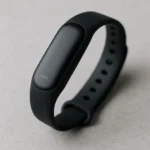
Smartwatch notifications create a cycle of engagement that benefits the device maker, not the wearer. Every ping pulls attention. Dumb watches break that cycle entirely. One experimenter spent a week with a sub-$20 Aliexpress quartz watch and found they adapted instantly, never reaching for notifications they couldn’t receive.
This isn’t about being offline—the phone still exists. It’s about refusing to let your wrist demand attention. Reviewers describe the psychological relief of a watch that does one job and does it silently.
Dumb Watch vs Apple Watch: Market Saturation and Choice
The 2025 wearables market is oversaturated. Garmin released a massive wave of new models; Coros and Amazfit launched multiple variants like the Coros Nomad and Apex 4, each targeting a slightly different user. Smartwatch fatigue isn’t just personal—it’s market-wide. Faced with endless options, some reviewers conclude that a single, timeless dumb watch beats chasing the next firmware update.
Casio and G-Shock offer fitness basics—stopwatch, timer, basic activity tracking—without the plastic, battery anxiety, or software obsolescence of smartwatches. These watches cost a fraction of an Apple Watch and deliver surprising functionality without the ecosystem lock-in.


Should You Swap Your Apple Watch for a Dumb Watch?
If you’re checking notifications constantly, charging nightly, or feeling tethered to health metrics, a dumb watch trial costs nothing—borrow one for a week. Reviewers report that adaptation happens fast. You won’t miss notifications you can’t receive, and you’ll rediscover the simplicity of a tool that doesn’t demand updates or attention.
If you genuinely use Apple Watch features—ECG readings, blood oxygen, detailed sleep tracking—keep the smartwatch. But if you’re mostly checking time and texts, a dumb watch eliminates friction without losing function.
Can a dumb watch really replace an Apple Watch?
For most daily tasks—timekeeping, basic workout timing, durability—yes. A Timex Ironman or Casio G-Shock handles everything except app notifications and advanced health metrics. If you don’t use those features regularly, replacement is straightforward.
What’s the battery life difference between dumb watches and smartwatches?
Quartz dumb watches run 1-3 years per battery; the Apple Watch needs charging every 18 hours. Over a decade, that’s roughly 2,000 charge cycles for a smartwatch versus 3-4 batteries for a dumb watch—less waste, less hassle.
Why would a smartwatch reviewer recommend ditching smartwatches?
Because testing dozens of wearables annually creates burnout. Reviewers who live with notifications, constant charging, and data overload recognize that simplicity isn’t deprivation—it’s relief. When the people paid to love smartwatches admit they prefer dumb ones, the verdict is clear.
The dumb watch vs Apple Watch debate isn’t really about watches. It’s about permission to opt out of unnecessary complexity. A smartwatch earns its place on your wrist only if it solves a real problem—not because it’s the expected choice. For many, a simple, stylish, reliable timepiece solves more problems than any notification ever will.
Where to Buy
Edited by the All Things Geek team.
Source: Tom's Guide