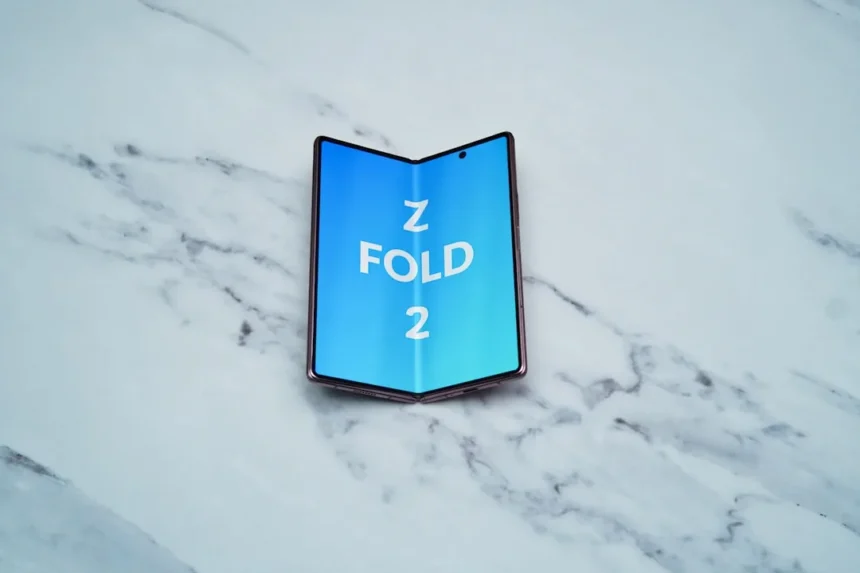
The Samsung Galaxy Z Fold 8 Wide is Samsung’s answer to the Pixel Fold’s almost-square inner display, but it arrives into a crowded premium foldable market where Motorola’s Razr Fold is poised to challenge its dominance. Both devices are expected to land in the same tier, forcing buyers to choose between Samsung’s refined approach and Motorola’s feature-aggressive alternative.
Key Takeaways
- Samsung Galaxy Z Fold 8 Wide features an almost-square inner display, a departure from the Z Fold 7’s wider aspect ratio.
- Motorola Razr Fold packs an 8.1-inch inner display, 6,000mAh battery, 80W charging, and stylus support.
- The Razr Fold is expected to be thicker and heavier than Samsung’s foldable but may cost less.
- Samsung’s device prioritizes thinness and refinement; Motorola prioritizes battery, charging speed, and input versatility.
- Both phones are powered by flagship chipsets, with the Razr Fold using Snapdragon 8 Gen 5.
Display and Design: Square vs. Practical
The Samsung Galaxy Z Fold 8 Wide adopts an almost-square inner display, a bold departure from the elongated aspect ratio that has defined Samsung’s foldables since 2021. This shift mirrors Google’s Pixel Fold strategy, trading screen width for a more balanced viewing experience. The inner screen is expected to measure around 8 inches, matching the Razr Fold’s footprint but with a fundamentally different shape. Samsung’s redesign is less radical than it sounds—the company is optimizing for a specific use case rather than overhauling the category. The trade-off: less horizontal real estate for media consumption, but better productivity parity between inner and outer screens.
Motorola’s Razr Fold counters with an 8.1-inch inner display paired with a 6.6-inch cover screen. The larger inner panel gives Motorola an edge for streaming, gaming, and reading. When folded, the Razr Fold measures approximately 5.7 x 6.3 x 0.4 inches and weighs around 244 grams. Samsung’s foldable is expected to stay close to the Z Fold 7’s dimensions—6.24 x 2.87 x 0.35 inches when folded—making it noticeably thinner and lighter than Motorola’s device. For users who prioritize portability and one-handed handling, Samsung wins. For those who want maximum screen real estate without compromise, Motorola’s approach is more generous.
Battery, Charging, and Stylus: Motorola’s Advantage
The Razr Fold’s 6,000mAh battery and 80W charging support represent a significant advantage over Samsung’s typical offering. Motorola is betting that buyers value endurance and speed over form factor perfection. The Razr Fold also supports stylus input, a feature Samsung reserves for its Galaxy Tab S line and higher-end Galaxy Note devices. For creative professionals and note-takers, this is a compelling differentiator. Samsung’s Galaxy Z Fold 8 Wide does not include stylus support, meaning the device remains optimized for touch and gesture navigation alone.


Charging speed matters in the foldable category because larger batteries take longer to replenish. Motorola‘s 80W charging allows the Razr Fold to reach full capacity significantly faster than Samsung’s typical 25W offering on the Z Fold line. For power users who charge nightly or rely on rapid top-ups during the day, this is a practical win. Samsung’s approach assumes users will accept a thinner device in exchange for slower charging—a reasonable trade-off for some, a frustration for others.
Chipset and Camera: Feature Parity with Different Priorities
Both devices are expected to run flagship processors: the Razr Fold uses the Snapdragon 8 Gen 5, which is Qualcomm’s latest mobile chip. Samsung typically pairs its foldables with the same Snapdragon generation, so real-world performance should be nearly identical. The meaningful difference lies elsewhere. The Razr Fold features a triple-camera setup, while Samsung’s configuration remains unconfirmed in detail. For photography, the question is not just camera count but sensor quality, lens design, and computational photography. Without confirmed specs for the Galaxy Z Fold 8 Wide’s camera system, direct comparison is premature.



What matters more is how each company’s software optimizes for the foldable form factor. Samsung has years of refinement in its One UI for foldables, while Motorola is entering the book-style foldable category with fresh perspective. The Snapdragon 8 Gen 5 is powerful enough for both devices to handle multitasking, gaming, and content creation without lag. Performance will not be the deciding factor—usability will.
Price: The Unknown Variable
The Razr Fold is expected to arrive at a competitive price point, potentially cheaper than the Samsung Galaxy Z Fold 8 Wide, though no confirmed MSRP exists for either device. If Motorola prices the Razr Fold significantly below Samsung’s flagship, it becomes the obvious choice for budget-conscious foldable buyers. If pricing is within 100-200 dollars, the decision hinges on whether you value refinement and thinness or battery life and stylus support. Samsung’s historical pricing suggests the Z Fold 8 Wide will start around 1,800-2,000 dollars in the US market, but this is not confirmed in available sources.
Which Foldable Should You Choose?
The Samsung Galaxy Z Fold 8 Wide is for users who prioritize a sleek, lightweight device and are willing to accept smaller batteries and slower charging in exchange. It appeals to professionals who fold their phones frequently and value portability. The almost-square inner display is ideal for productivity—spreadsheets, email, and document editing—rather than media consumption. If you already own Samsung ecosystem devices and value software consistency, this is your phone.
The Motorola Razr Fold is for power users who demand larger screens, faster charging, and input versatility. Stylus support alone justifies consideration for artists, note-takers, and designers. The 6,000mAh battery means fewer charging sessions per day. If you watch video, play games, and want a device that feels less like a compromise, Motorola’s approach is more aligned with your needs. The trade-off is thickness and weight—the Razr Fold is noticeably bulkier than Samsung’s foldable.



What are the main differences between the Galaxy Z Fold 8 Wide and Razr Fold?
The Galaxy Z Fold 8 Wide prioritizes thinness, lighter weight, and an almost-square inner display for productivity. The Razr Fold offers a larger 8.1-inch inner screen, a 6,000mAh battery, 80W charging, and stylus support. Samsung’s device is more refined; Motorola’s is more feature-packed.
Will the Motorola Razr Fold cost less than Samsung’s foldable?
The Razr Fold may arrive at a competitive or lower price than the Galaxy Z Fold 8 Wide, but no confirmed pricing exists for either device. If Motorola undercuts Samsung significantly, it becomes the value leader in the premium foldable category.
Does the Samsung Galaxy Z Fold 8 Wide support a stylus?
No, the Galaxy Z Fold 8 Wide does not include stylus support. The Razr Fold is expected to support stylus input, giving Motorola an edge for creative professionals.
The foldable market is no longer Samsung’s exclusive territory. Motorola’s entry with the Razr Fold forces Samsung to justify the Galaxy Z Fold 8 Wide’s existence through refinement and ecosystem integration rather than feature supremacy. For most users, the choice comes down to a simple question: do you want the thinnest, lightest foldable, or do you want the most capable one? Samsung bets on the former; Motorola bets on the latter. Your answer determines which phone wins.
Where to Buy
Edited by the All Things Geek team.
Source: Android Central