





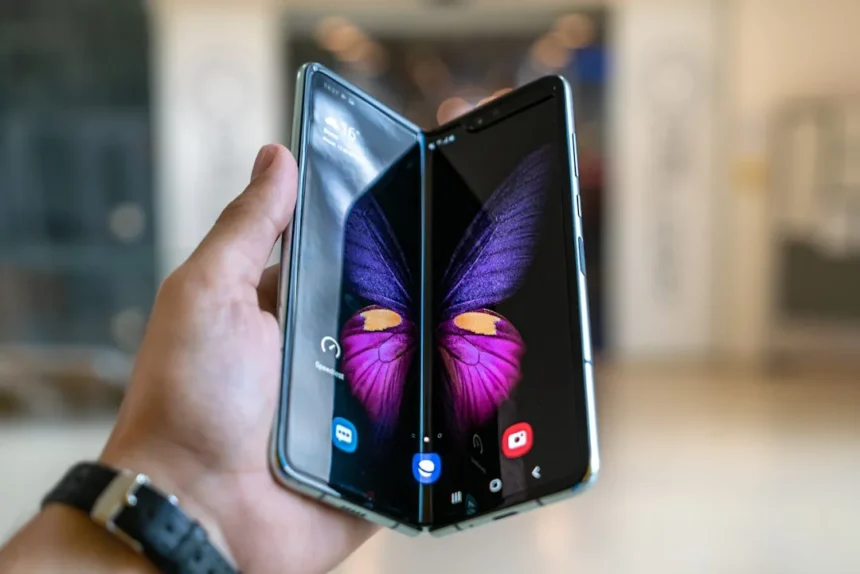
The Samsung Galaxy Z Fold 8 Ultra is expected to anchor Samsung’s next foldable lineup in 2026, but it will not be alone. Leaked dummy units reveal Samsung is preparing two distinct Z Fold models with wildly different philosophies—a premium Ultra and a wider, more tablet-like alternative designed to compete directly with Apple’s rumored iPhone Fold.
Key Takeaways
- Samsung plans two Z Fold 8 models in 2026: an Ultra flagship and a wider variant with a different form factor.
- The wider model features a 4:3 aspect ratio inner display, making it feel like a tablet when unfolded.
- Leaked dimensions show the wide model at 4.3mm unfolded and 9.8mm folded, thinner than Huawei’s comparable device.
- Both Galaxy Z Fold 8 and Ultra versions are expected to feature improved crease control comparable to the Oppo Find N6.
- Samsung may unveil both models at a Galaxy Unpacked event in London in late July 2026.
The Samsung Galaxy Z Fold 8 Ultra vs wider Z Fold 8: design philosophy
The Samsung Galaxy Z Fold 8 Ultra is positioned as the premium flagship, while the wider Z Fold 8 model targets a different use case entirely. According to leaked dummy units, the wider version abandons Samsung’s signature tall, book-style foldable design in favor of a shorter, wider shape that unfolds into something closer to a tablet than a traditional phone. This marks a fundamental shift in Samsung’s foldable strategy. The wider model reportedly measures 82.2mm wide when folded, 123.9mm high, and 161.4mm wide when unfolded, with a 4:3 aspect ratio on the inner display. The Galaxy Z Fold 8 Ultra, by contrast, is expected to retain a more conventional foldable proportions, positioning it as the premium choice for users who want a traditional phone-to-tablet transformation rather than a tablet-first device.
Why the dramatic design split? Samsung appears to be bracing for Apple’s entry into foldables. The wider model’s tablet-like form factor directly addresses a weakness in Samsung’s current Z Fold lineup: when unfolded, the tall 21:9 aspect ratio feels more like an elongated phone than a true tablet replacement. A 4:3 inner display flips that equation, making the device feel like a proper tablet for watching movies, reading, and productivity tasks. The Galaxy Z Fold 8 Ultra will likely maintain the familiar vertical orientation, appealing to users who prioritize phone-first functionality with tablet capabilities as a bonus.
Thickness and durability: how the wider model stacks up
The leaked dimensions reveal an aggressive engineering challenge that Samsung appears to have tackled. The wider Z Fold 8 model is reported to measure just 4.3mm thick when unfolded and 9.8mm folded—making it thinner than Huawei’s Pura X Max, a comparable wide foldable, despite offering a larger unfolded footprint. This suggests Samsung has made meaningful progress in crease reduction and hinge engineering, which historically has been the company’s biggest foldable weakness. Both the Galaxy Z Fold 8 and the Galaxy Z Fold 8 Ultra are expected to feature improved crease control technology comparable to the Oppo Find N6, a device widely praised for its flat, nearly crease-free display. If Samsung delivers on this promise, it could finally address the most persistent complaint about its foldables: the visible crease running down the center of the unfolded screen.


Premium vs affordable: the Galaxy Z Fold 8 Ultra strategy
The Samsung Galaxy Z Fold 8 Ultra is expected to be the top-tier model, featuring the most advanced specifications and premium materials. The wider Z Fold 8 model, by contrast, is positioned as the more affordable option with slightly reduced specs—though exact pricing remains unconfirmed. This two-tier approach allows Samsung to defend its premium foldable crown with the Ultra while capturing price-conscious buyers with the wider model. The Ultra’s positioning suggests it will likely feature superior camera systems, faster processors, and exclusive features compared to the wider variant. The wider model’s appeal lies in its form factor and value proposition: a tablet-like experience at a lower price point than the Ultra, directly challenging Apple’s expected iPhone Fold pricing strategy.
When will Samsung announce these foldables?
Samsung is expected to unveil both the Galaxy Z Fold 8 and the Galaxy Z Fold 8 Ultra at a Galaxy Unpacked event in London in late July 2026. This timing gives Samsung a window to respond to Apple’s foldable launch and establish market position before the holiday shopping season. The exact availability date and regional rollout remain unconfirmed, but a summer 2026 reveal suggests retail availability by autumn 2026. The London venue is notable—it signals Samsung’s intent to make a major European push for foldables, a region where Apple’s foldable launch will likely carry significant weight.


How does this compare to current Samsung foldables?
The Galaxy Z Fold 8 Ultra and wider Z Fold 8 represent a significant evolution from the Galaxy Z Fold 7, Samsung’s current flagship foldable. The Z Fold 7 maintains the tall, 21:9 aspect ratio that has defined Samsung’s foldable line since the original Galaxy Fold. The new Ultra model will likely refine this design with better crease control and internal hardware upgrades, but the wider Z Fold 8 is the true departure. By offering a tablet-first form factor, Samsung is essentially hedging its bets: if the market embraces wide foldables (as Apple’s rumored iPhone Fold suggests it might), Samsung has a product ready. If the market prefers the traditional tall foldable, the Ultra delivers that experience with flagship specs. This dual-track strategy is far more sophisticated than Samsung’s current single-model approach.
What about the competition?
The wider Z Fold 8 model is clearly designed to compete with Apple’s rumored iPhone Fold or iPhone Ultra, a device widely expected to feature a wide, tablet-like form factor. Apple’s foldable is not yet confirmed, but industry expectations suggest it will launch in 2026 or 2027. Samsung is moving aggressively to establish the wide foldable category before Apple enters it. Huawei’s Pura X Max, with its 4.24:3 inner display aspect ratio, represents the current gold standard for wide foldables in terms of form factor, though it is not widely available outside China. The Oppo Find N6 has earned praise for crease control and display flatness, metrics that both the Galaxy Z Fold 8 and Galaxy Z Fold 8 Ultra are expected to match or exceed. Samsung’s two-model strategy positions it to compete across the entire foldable spectrum simultaneously—something neither Huawei nor Oppo currently achieves.
Will the wider Z Fold 8 actually replace the traditional model?
No. The Galaxy Z Fold 8 Ultra is expected to continue the traditional tall foldable design, suggesting Samsung views both form factors as viable long-term products. This indicates Samsung believes the market will split between users who want a phone-first device with tablet capabilities (Ultra) and users who want a tablet-first device with phone capabilities (wider model). Whether that market split actually materializes remains to be seen, but Samsung’s willingness to invest in two completely different designs suggests genuine confidence in the wider format’s potential.
Are these confirmed specifications or just leaks?
Everything discussed here comes from leaked dummy units and unconfirmed reports. Samsung has not officially announced the Galaxy Z Fold 8 Ultra, the wider Z Fold 8 model, or any specifications for either device. Dummy units are often accurate for dimensions and general form factor, but final production models can differ. Pricing, exact launch timing, and regional availability remain entirely speculative. Treat all details as informed leaks rather than official Samsung information until the company makes a formal announcement.



Will the Samsung Galaxy Z Fold 8 Ultra be worth upgrading to?
That depends entirely on whether Samsung delivers on its crease-control promises and whether the form factor matters to your use case. If you currently own a Z Fold 7 and the crease bothers you, the Galaxy Z Fold 8 Ultra’s improved display flatness could justify an upgrade. If you use your foldable primarily for media consumption, the wider Z Fold 8 model may offer better value. Exact pricing will be the deciding factor for most buyers—until Samsung announces official prices and availability, any upgrade recommendation is premature.
What makes the wider Z Fold 8 different from Huawei’s foldables?
The wider Z Fold 8 is expected to be thinner than Huawei’s Pura X Max despite offering a similar wide form factor. Samsung’s engineering approach appears to focus on reducing thickness while maintaining the tablet-like proportions Huawei pioneered. Huawei’s device is not widely available outside China, so Samsung’s wider Z Fold 8 could become the first accessible wide foldable for most global markets if it launches as expected.
Samsung’s foldable strategy is entering a critical phase. By preparing both the Galaxy Z Fold 8 Ultra and a wider alternative, the company is signaling that it takes Apple’s rumored iPhone Fold seriously and is determined to own the entire foldable market before Apple arrives. Whether this dual-model approach succeeds depends on execution—specifically, whether Samsung actually delivers the crease-free display both models promise and whether consumers embrace the wider form factor as genuinely useful rather than a gimmick. The leaked dummy units suggest Samsung is serious about both questions. The real test comes in July 2026.
Edited by the All Things Geek team.
Source: T3




