





The Huawei Watch Fit 5 Pro is a compact, fitness-focused smartwatch that proves premium health tracking doesn’t require premium pricing. With dual-band GPS, ECG capability, advanced sleep analysis, and dive mode, this watch packs features found on devices costing twice as much—yet manages to undercut Apple’s entry-level offerings by hundreds of pounds.
Key Takeaways
- Dual-band GPS and ECG deliver accurate health metrics comparable to Garmin flagships at half the price.
- Advanced sleep tracking breaks down stages, HRV, respiratory rate, and breathing quality for deep recovery insights.
- Over 100 workout modes and trail running metrics like vertical oscillation require no external sensors.
- Stress tracking can misfire on physical warmth, not just genuine anxiety or exertion.
- Ultra-slim, lightweight design balances fitness focus with everyday wearability.
Fitness Tracking That Rivals Premium Brands
The Huawei Watch Fit 5 Pro delivers fitness tracking that competes directly with devices costing significantly more. Heart rate accuracy during steady cardio like running matches the Garmin Forerunner 965 and Forerunner 570 in trend reliability, meaning you get consistent, trustworthy data for your training progression. For trail running, the watch tracks vertical oscillation and ground contact time automatically—metrics that Garmin charges extra for via the HRM Pro chest strap.
The watch supports over 100 workout modes, covering everything from road running to swimming. Dive mode adds water sports capability, while the dual-band GPS ensures reliable positioning in challenging environments where single-band systems falter. This breadth of tracking options makes the Huawei Watch Fit 5 Pro genuinely versatile for athletes switching between disciplines. The real limitation surfaces in strength training: the watch averages out quick heart rate spikes rather than capturing them precisely, making it less ideal for CrossFit or HIIT-focused athletes compared to devices like the Polar Verity Sense.
Sleep and Health Metrics That Match Premium Watches
Sleep tracking provides the depth you’d expect from a premium wearable. The Huawei Watch Fit 5 Pro breaks down sleep into distinct stages, measures continuity, calculates heart rate variability (HRV), monitors respiratory rate, and assesses breathing quality—the same comprehensive approach found in the Huawei Watch 5 and competitive with specialized devices like the Oura Ring 4. For most users, this level of insight is sufficient to identify patterns and optimize recovery without needing a separate sleep ring.


Beyond sleep, the watch tracks arterial stiffness, HRV, respiratory rate, and breathing quality as standalone metrics. These advanced indicators give you a fuller picture of cardiovascular health and stress resilience than basic step counts and heart rate. The watch also offers proactive health features: it prompts you to take an ECG reading 30 minutes after exercise, when your heart deviation is most detectable, rather than leaving health monitoring passive.
Where Stress Tracking Falls Short
Stress detection uses physical symptoms like temperature and respiration to infer mental state, which sounds intelligent until the watch mistakes sitting in a warm room for genuine stress. This false-positive tendency means you can’t fully trust stress alerts without cross-referencing your actual mental state. It’s a reminder that algorithm-based wellness metrics like HRV and VO2 max are trend indicators, not absolute measurements—compare your data to your own baseline, not to benchmark numbers published elsewhere.


Design and Battery Life
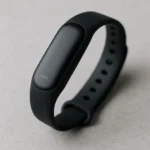
The Huawei Watch Fit 5 Pro sports a sleek, lightweight design that resembles a shrunken Apple Watch Ultra. The ultra-slim case keeps weight minimal for all-day wear, and the vivid AMOLED display remains bright and responsive. Battery endurance is strong for an ultra-bright AMOLED screen, delivering long stretches between charges—a genuine advantage over Apple Watch models that demand nightly charging.
Value Against Premium Competitors
Compared to the Apple Watch Ultra or SE, the Huawei Watch Fit 5 Pro costs roughly half as much while delivering equivalent or superior fitness tracking and battery longevity. Garmin’s Forerunner 965 offers comparable GPS and heart rate reliability but costs significantly more and requires additional sensors for metrics the Huawei includes natively. The Coros Pace Pro, a 2025 T3 Awards winner, rivals the Huawei in mid-range performance with AMOLED, dual-GPS, and recovery metrics, making it worth comparing if you prioritize running power metrics. For general fitness tracking, the Huawei Watch Fit 5 Pro delivers the feature set that matters most at a price that doesn’t demand compromise.
Should you buy the Huawei Watch Fit 5 Pro?
Yes, if you prioritize fitness tracking accuracy, sleep insights, and battery life over smartwatch ecosystem integration. The watch excels at health monitoring and sports tracking while costing a fraction of Apple Watch competitors. Skip it only if you need iOS-level app integration or prefer strength training over cardio—in those cases, explore the Polar Verity Sense or a higher-end Garmin.
How does the Huawei Watch Fit 5 Pro compare to the Watch 5?
The Watch Fit 5 Pro is more compact and fitness-focused, while the Huawei Watch 5 offers more general smartwatch features. Sleep tracking depth is equivalent between both models, so choose based on whether you want a dedicated fitness watch or a balanced fitness-plus-smart wearable.

Does the Huawei Watch Fit 5 Pro work with iPhone?
The watch pairs with iOS devices, though full smartwatch features are optimized for Android. You’ll get fitness tracking and health data on iPhone, but some smart features may be limited compared to pairing with a Huawei Android phone.
The Huawei Watch Fit 5 Pro proves that incremental upgrades—refined algorithms, dual-band GPS, dive mode—matter far less than delivering genuine value. It’s a fitness watch that competes with premium brands on accuracy while undercutting them on price, making it the smart choice for athletes who want to invest in their training data, not in brand prestige.
Edited by the All Things Geek team.
Source: T3




