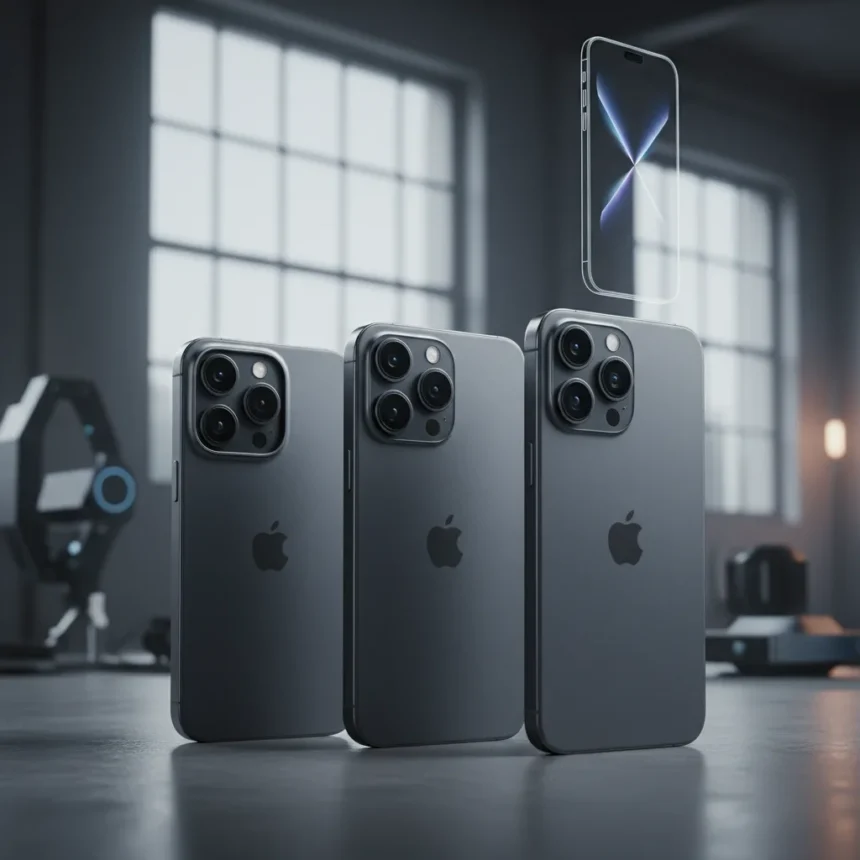
iPhone 18 design stagnation appears inevitable, according to leaker Fixed Focus Digital, who claims the upcoming 2027 flagship will look largely unchanged from the iPhone 17 due to the latter’s commercial success. The claim signals a troubling pattern: Apple’s design refresh cycle is slowing at precisely the moment when rivals are accelerating.
Key Takeaways
- iPhone 18 expected to retain iPhone 17’s design language due to market success, per Weibo leaker Fixed Focus Digital.
- Spring 2026 launch window for base iPhone 18 and Air variant; Pro models rumored for fall 2026.
- Potential upgrades include A20 chip, improved Camera Control button, smaller Dynamic Island, and variable aperture camera.
- iPhone 18 Pro rumored nearly identical to iPhone 17 Pro from front; no major design progression expected.
- iPhone 20 “GlassWing” (2027) speculated to feature all-glass design and under-display Face ID, making iPhone 18 feel outdated before launch.
Why iPhone 18 Design Stagnation Matters Now
Apple faces a credibility crisis if iPhone 18 truly arrives as a visual carbon copy of iPhone 17. The smartphone market has shifted—Samsung, Google, and OnePlus are pushing industrial design boundaries with foldables, unique camera placements, and material innovations. iPhone 18 design stagnation, if confirmed, would position Apple as the conservative player in a category where it once led. This is not a minor cosmetic issue; design refresh cycles drive upgrade decisions for consumers who are already holding phones longer than ever.
The timing amplifies the problem. Rumors suggest no full iPhone lineup in fall 2026—only Pro models and iPhone Fold are expected, leaving base-model buyers stranded for another year. When iPhone 18 finally launches in spring 2026 with unchanged aesthetics, the wait will feel wasted. Compare this to Samsung’s Galaxy S26, which typically introduces meaningful visual changes annually. Apple’s willingness to repeat the iPhone 17 silhouette signals that design innovation is no longer a priority.
What Could Change (But Probably Won’t Visually)
Leaker claims do reference internal improvements for iPhone 18: an A20 processor, a refined Camera Control button, and a variable aperture main rear camera. The Dynamic Island may shrink further, though conflicting reports from other leakers create uncertainty. Digital Chat Station claims it will reach its smallest-ever size, while Ming-Chi Kuo suggests it will remain largely unchanged. These are meaningful upgrades for power users and photography enthusiasts, but they live inside the phone. From across a room, iPhone 18 will look identical to iPhone 17.


The 24MP front-facing camera upgrade and improved C2 modem address real weaknesses, yet neither justifies a design refresh in the eyes of casual consumers. Specs improve every year; design language is what makes a phone feel new. If iPhone 18 ships with the same flat-edge frame, the same camera plateau, and the same overall proportions as iPhone 17, Apple is essentially admitting that it has exhausted its design vocabulary on the current form factor.
The iPhone 20 Problem: Next Year’s Regret
Rumors of the iPhone 20 “GlassWing” in 2027 compound the iPhone 18 design stagnation issue. If Apple is planning an all-glass redesign with under-display Face ID, no physical buttons, and a Liquid Wing Display for 2027, then iPhone 18 becomes a placeholder generation. Buyers upgrading to iPhone 18 will feel immediately outdated when iPhone 20 launches with transformative design changes. This is the opposite of Apple’s historical strategy, where each generation felt like a genuine step forward.



The speculative video leak describing iPhone 20’s radical departure suggests Apple knows iPhone 18 is a holding pattern. Leaking glimpses of the next-next generation is a classic damage-control move—it tells potential iPhone 18 buyers, “Yes, this one looks the same, but the year after next will blow your mind.” That is not a compelling value proposition for a $1,000+ device.
Is iPhone 18 Design Stagnation Really Confirmed?
All claims originate from Weibo leakers and YouTube videos with varying track records. Fixed Focus Digital’s assertion that iPhone 18 will avoid redesign due to iPhone 17 success is plausible but not confirmed. Leaker credibility varies wildly, and conflicting reports on Dynamic Island evolution, camera layout, and thickness make the full picture murky. What remains consistent across sources is the absence of major visual changes—and that absence itself is the story.
Apple’s official silence fuels speculation, but the pattern of leaker consensus around minimal design changes is hard to ignore. When multiple independent sources agree that a product will look the same as its predecessor, skepticism is warranted—but so is concern.
What This Means for Upgrade Cycles
iPhone 18 design stagnation threatens Apple’s upgrade momentum at a critical moment. Smartphone replacement cycles have stretched to four to five years; consumers now skip multiple generations. If iPhone 18 offers no visual refresh over iPhone 17, owners of iPhone 16 or iPhone 15 will have even less reason to upgrade. Apple’s Services revenue depends on active installed base growth—design stagnation could slow that growth.



The company built its reputation on the notion that design matters as much as specifications. iPhone 18 design stagnation contradicts that philosophy. It signals that Apple is content to iterate internally while competitors innovate externally. For a brand that charges premium prices, that is a dangerous message.
Should You Wait for iPhone 18 or Skip to iPhone 20?
If iPhone 18 truly arrives with unchanged aesthetics and iPhone 20 brings radical design overhaul, waiting is the rational choice. Paying full price for a phone that looks identical to last year’s model, knowing a transformative redesign is coming in 2027, is poor value. iPhone 17 owners should skip iPhone 18 entirely. iPhone 16 owners have even less reason to upgrade. Only those with older devices or specific internal feature needs (the A20 chip, variable aperture camera) should consider iPhone 18.
Will iPhone 18 feel outdated immediately after launch?
Yes, if iPhone 20 rumors prove accurate. An all-glass redesign with under-display Face ID and no buttons would represent a generational leap that makes iPhone 18’s flat-edge frame feel dated within months. Early iPhone 18 buyers will regret their purchase the moment iPhone 20 launches.
Could Apple change course and redesign iPhone 18 before launch?
Unlikely. Design decisions for 2026 launches are already locked in at Apple’s engineering level. A complete redesign pivot would require scrapping months of tooling and manufacturing setup. Apple could add new colors or subtle material tweaks, but a true redesign at this stage is virtually impossible.
Why would Apple repeat iPhone 17’s design if it hurts upgrade incentives?
Market success. If iPhone 17 sells exceptionally well, Apple’s logic is straightforward: do not fix what is not broken. This approach works for internal components but fails for design, where visual novelty drives emotional desire. Apple is optimizing for short-term revenue rather than long-term brand perception—a risky bet in a market where design still matters.
iPhone 18 design stagnation is not yet confirmed, but the consistency of leaker claims suggests it is likely. If true, Apple will have made a strategic error: launching a flagship phone that looks identical to its predecessor while teasing a radical redesign two years away. Consumers will vote with their wallets by skipping iPhone 18 entirely, waiting for iPhone 20, or switching to competitors who are not afraid to refresh their designs annually. For a company built on design excellence, that outcome would be genuinely damaging.
Edited by the All Things Geek team.
Source: TechRadar