





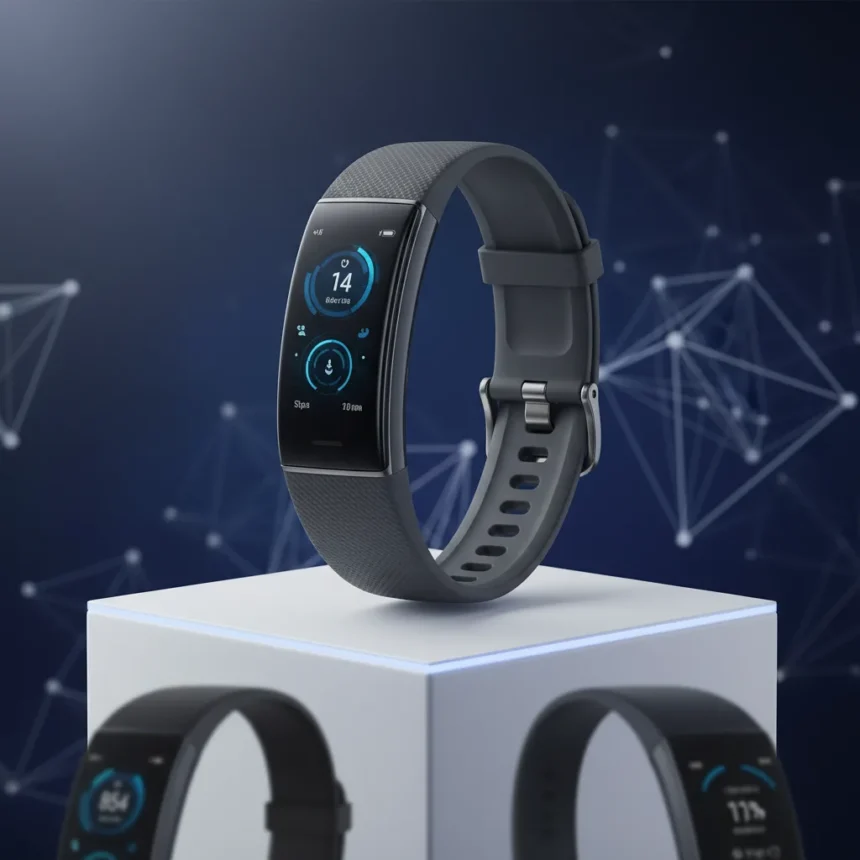
The Samsung Galaxy Fit 4 is a rumored fitness tracker in development at Samsung, expected to launch later in 2026, according to reports from Android Authority citing SamMobile. The device would mark Samsung’s return to the budget fitness tracker category after the Galaxy Fit 3 launched in 2024, arriving amid renewed interest in lightweight wearables following Google’s Fitbit Air revival.
Key Takeaways
- Samsung Galaxy Fit 4 is expected to launch later in 2026, possibly around September
- The device will not debut at Samsung’s July Galaxy Unpacked event
- Built-in GPS is mentioned as a possible upgrade over the Galaxy Fit 3
- The tracker will likely continue using RTOS-based software rather than Wear OS
- No official specs or pricing have been confirmed yet
When Will the Samsung Galaxy Fit 4 Actually Launch?
The Samsung Galaxy Fit 4 is expected to arrive later in 2026, specifically around September, according to Android Authority’s reporting. Samsung’s next Galaxy Unpacked event in July will not feature the device, meaning the tracker will debut separately from the company’s flagship smartphone announcements. This timing would position the Fit 4 alongside other mid-year product releases, potentially including the Galaxy S26 FE.
The delayed launch suggests Samsung is taking a measured approach to the fitness tracker market rather than rushing a half-baked product. By spacing the announcement away from Galaxy Unpacked, Samsung signals that the Fit 4 occupies a different product tier than its flagship devices—a smart positioning for an affordable wearable competing against budget options rather than premium smartwatches.
What Specs Could the Samsung Galaxy Fit 4 Include?
No official specifications have been confirmed for the Samsung Galaxy Fit 4. However, built-in GPS represents an obvious upgrade path compared to the Galaxy Fit 3, addressing one of the most common requests from fitness tracker users who want standalone navigation without relying on a paired smartphone.


More importantly, the Galaxy Fit 4 will likely continue using Samsung’s lightweight RTOS-based software platform rather than adopting Google’s Wear OS. This architectural choice keeps the device simple, power-efficient, and distinct from full smartwatches. The Galaxy Fit 3 proved that users value battery life and straightforward functionality over app ecosystems—a lesson Samsung appears ready to repeat. By avoiding Wear OS, the Fit 4 positions itself as a pure fitness tracker, not a smartphone on your wrist.
How Does the Samsung Galaxy Fit 4 Compare to Its Predecessor?
The Samsung Galaxy Fit 4 is being framed as a successor to the Galaxy Fit 3, which launched in 2024. While exact feature differences remain unconfirmed, the Fit 4 would build on the Fit 3’s foundation as an affordable, battery-efficient tracker designed for users who prioritize simplicity over advanced smartwatch features.



The broader fitness tracker landscape has shifted since the Fit 3’s release. Google’s Fitbit Air has reignited interest in dedicated fitness trackers, proving that the category never truly died—it simply fell out of tech enthusiasts’ attention. Samsung’s reported decision to develop a new Galaxy Fit model acknowledges this market resurgence. Unlike Wear OS smartwatches that demand daily charging, the Fit 4 would appeal to users who want multi-week battery life and core health tracking without complexity.
Is Built-in GPS Confirmed for the Galaxy Fit 4?
Built-in GPS has not been officially confirmed for the Samsung Galaxy Fit 4. The feature appears in speculation about potential upgrades, but Samsung has made no public statements about the device’s final hardware. Until Samsung officially announces the Fit 4, treating GPS as a rumored possibility rather than a guaranteed feature is essential—early leaks often miss the mark on final specifications.
Will the Galaxy Fit 4 Run Wear OS or Samsung’s Custom Software?
The Samsung Galaxy Fit 4 is unlikely to run Wear OS and will probably continue using the simpler RTOS-based software platform that powers the Galaxy Fit 3. This choice reflects Samsung’s philosophy for the Galaxy Fit line: keep the software lean, keep the battery lasting weeks, and keep the user experience focused on health metrics rather than app browsing.
Samsung’s decision to avoid Wear OS is strategic. While Wear OS offers flexibility and app variety, it demands significantly more processing power and battery capacity. The Fit 4 targets users who have already chosen a simpler device—adding a heavyweight OS would contradict that value proposition. RTOS-based software lets Samsung deliver what fitness tracker users actually want: durability, reliability, and multi-week battery life.



When Did Samsung Last Release a Galaxy Fit Model?
Samsung released the Galaxy Fit 3 in 2024, marking the most recent entry in the Galaxy Fit line. Before that, the Galaxy Fit 2 arrived in 2021. The company’s first fitness tracker, the Gear Fit, debuted in 2014, establishing Samsung’s long history in the category. The gap between the Fit 2 and Fit 3 shows how Samsung allowed the line to languish during the smartwatch boom, only reviving it as interest in dedicated fitness trackers resurged.
Closing Thoughts
The Samsung Galaxy Fit 4 remains unconfirmed, but the rumors paint a picture of Samsung recognizing a genuine market opportunity. Fitness trackers are not dead—they are simply waiting for companies to stop treating them as secondary products. If Samsung launches the Fit 4 as reported later in 2026, it could capture users tired of smartwatch complexity and looking for straightforward health tracking with real battery life. Until Samsung makes an official announcement, treat all specifications and launch dates as subject to change.
Edited by the All Things Geek team.
Source: TechRadar




