





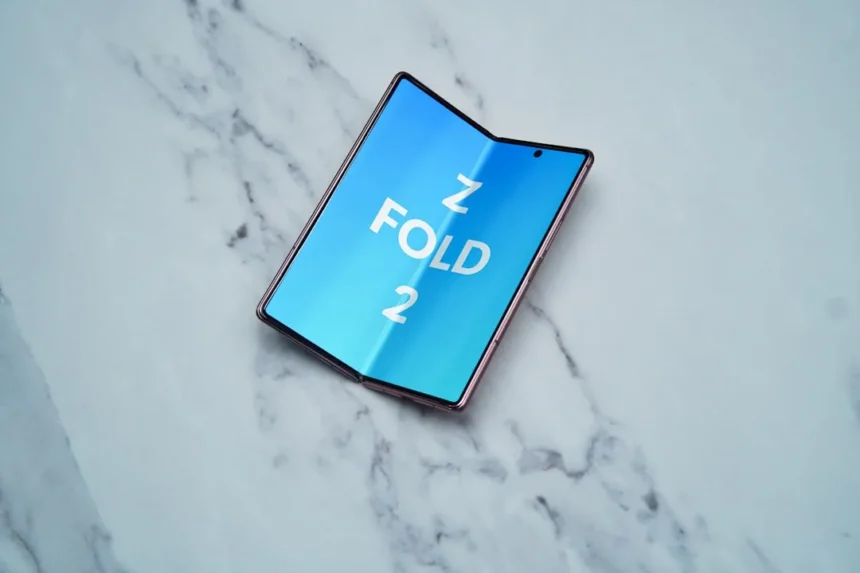
The Samsung Galaxy Wide Fold has surfaced in leaked design images, revealing a horizontal-folding foldable that challenges Samsung’s existing Z Fold strategy. The leak suggests Samsung is exploring a fundamentally different form factor than the traditional vertical-folding Galaxy Z Fold models, signaling potential ambition to diversify its foldable lineup beyond the current market offerings.
Key Takeaways
- Samsung Galaxy Wide Fold design leaked, showing horizontal-fold architecture
- Represents departure from vertical-folding Z Fold design philosophy
- Leaked alongside Z Fold 8 images, but Wide Fold appears more innovative
- Samsung’s foldable strategy expanding beyond traditional clamshell models
- Timeline and official launch details remain unconfirmed
What the Samsung Galaxy Wide Fold Design Actually Shows
The Samsung Galaxy Wide Fold leak displays a horizontal-folding mechanism that unfolds left-to-right rather than top-to-bottom like the Z Fold series. This architectural shift represents a meaningful departure from Samsung’s established foldable design language. The horizontal orientation creates a wider screen ratio when unfolded, potentially offering a different user experience for content consumption and productivity tasks compared to the taller aspect ratio of traditional Z Fold devices.
The leaked images suggest Samsung is testing multiple foldable form factors simultaneously. The Wide Fold’s design language differs noticeably from the Z Fold aesthetic, with different hinge placement and screen bezel treatment. If this design moves beyond prototype stage, it would position Samsung’s foldable portfolio as genuinely diverse rather than iterative refinements of a single concept.
How Samsung Galaxy Wide Fold Compares to Z Fold 8
The simultaneous leak of both the Samsung Galaxy Wide Fold and Z Fold 8 designs reveals Samsung’s dual-track approach to foldable innovation. The Z Fold 8 appears to follow the established vertical-fold template with incremental refinements, while the Wide Fold introduces a fundamentally different interaction model. The Z Fold 8 maintains the clamshell-to-tablet transformation that defined the Z Fold 6 and Z Fold 7, whereas the Wide Fold pivots toward a horizontal-screen expansion.


For users, this distinction matters. The Z Fold 8 targets those seeking a phone-to-tablet progression. The Wide Fold targets a different use case—wider viewing angles, landscape-first content consumption, and a different grip ergonomics when unfolded. Samsung’s decision to explore both simultaneously suggests the company recognizes that one foldable form factor cannot dominate all use cases.
Why the Samsung Galaxy Wide Fold Design Is More Interesting
The Wide Fold leak captivates because it represents genuine innovation rather than specification bumping. Horizontal-folding foldables remain rare in the market, and Samsung’s exploration of this form factor signals confidence that there is demand beyond the Z Fold’s vertical-fold approach. The design suggests Samsung is willing to cannibalize Z Fold sales if the Wide Fold resonates with users who find the traditional Z Fold’s aspect ratio or folding direction suboptimal.



Competitors like Google have experimented with unconventional foldable prototypes, but Samsung’s scale means a Wide Fold launch would legitimize horizontal-folding as a mainstream category rather than a niche experiment. The leak implies Samsung’s engineering teams have moved beyond concept renders into functional prototype territory, suggesting a production timeline that could be measured in months rather than years.
The Wide Fold’s design also addresses a persistent criticism of vertical-fold devices: the narrow screen ratio when unfolded can feel awkward for certain tasks. A horizontal fold creates a wider canvas that mimics traditional tablet proportions more closely, potentially making the device more appealing to productivity-focused users and content creators.
When Could the Samsung Galaxy Wide Fold Actually Launch?
The leaked images do not include official launch timelines or availability details. Samsung has historically announced new foldables at dedicated Unpacked events during summer months, but the Wide Fold’s prototype status does not guarantee a near-term reveal. The Z Fold 8 is more likely to follow Samsung’s established release cadence, while the Wide Fold could remain in development for several more quarters.
Samsung’s mobile division has indicated interest in expanding its foldable portfolio, but moving from prototype leak to retail availability requires significant engineering refinement, supply chain coordination, and pricing strategy development. If the Wide Fold reaches consumers, it would likely debut as a premium offering above the Z Fold 8, targeting early adopters willing to pay a premium for novel form factors.



Is the Samsung Galaxy Wide Fold real or just a prototype?
The leaked design images appear authentic based on their consistency with Samsung’s industrial design language and the level of detail visible in renders. However, prototype status does not guarantee production. Samsung regularly develops foldable concepts that never reach market. The Wide Fold’s appearance in leaked renders confirms Samsung is actively exploring the design, but official confirmation from Samsung remains absent.
Will the Samsung Galaxy Wide Fold replace the Z Fold?
No. The Wide Fold would occupy a different market segment targeting users who prefer horizontal-fold mechanics. Samsung’s foldable strategy appears to be expanding the portfolio rather than consolidating around a single form factor. Both devices could coexist, similar to how Samsung maintains multiple flagship lines for different use cases and price points.
What makes horizontal folding different from vertical folding?
Horizontal folding expands the screen width rather than height when unfolded, creating a landscape-oriented display. This differs from vertical folding (Z Fold’s approach), which creates a taller portrait-oriented screen. Horizontal folding suits content consumption and productivity, while vertical folding emphasizes phone-to-tablet transformation. The choice depends on intended use cases and user preferences for screen orientation.
The Samsung Galaxy Wide Fold leak matters because it signals Samsung’s willingness to experiment with foldable form factors beyond the Z Fold’s proven formula. If the design reaches production, it could reshape how consumers think about foldable phones—not as phone-to-tablet converters, but as genuinely distinct devices with their own ergonomic and usability advantages. For now, the leak remains a tantalizing hint of where Samsung’s foldable ambitions could lead.
Where to Buy
Samsung Galaxy S25 Edge | Samsung Galaxy Z Fold 7 | Samsung Galaxy Z Flip 7 | Samsung Galaxy S26 | Samsung Galaxy S26 Plus
Edited by the All Things Geek team.
Source: TechRadar




