Samsung Privacy Display is a hardware-level screen technology that restricts viewing angles on a per-app basis, launched on the Galaxy S26 Ultra at Samsung’s Galaxy Unpacked event on February 25, 2026. The innovation could position Google’s Pixel 11 as the first non-Samsung phone to block shoulder surfers—beating Apple’s iPhone 18 Pro to market with anti-eavesdropping display tech.
Key Takeaways
- Samsung Privacy Display uses narrow and wide pixels to restrict side-angle viewing without dimming the screen.
- Galaxy S26 Ultra owners can enable privacy per-app, for notifications, or during PIN/password entry.
- Google Pixel 11 could adopt Samsung Display’s tech via existing partnership, potentially before iPhone 18 Pro.
- Traditional privacy films dim screens and block content sharing; Samsung’s hardware approach avoids both problems.
- Chinese manufacturers are expected to launch competing privacy screen tech later in 2026.
How Samsung Privacy Display Actually Works
Samsung Privacy Display relies on a dual-pixel architecture called Black Matrix that fundamentally changes how light travels through the screen. The display uses two pixel types: narrow pixels that restrict the light path for privacy mode—visible only when viewed straight-on—and wide pixels that operate at full viewing angles when privacy is off. This means no dimness penalty, no image degradation, and no need for physical films that reduce brightness or make sharing content awkward.
The technology activates selectively. You can turn it on globally, enable it for specific apps like banking or messaging, apply it only to notifications, or restrict it to sensitive moments like PIN entry on the lock screen. Samsung’s implementation limits third-party app support; privacy mode only auto-triggers during PIN, pattern, or password entry in Settings, Secure Folder, and Samsung’s own apps—not custom third-party authentication. This is a deliberate security boundary, not a limitation of the hardware itself.
Two privacy modes ship with the Galaxy S26 Ultra: partial privacy, which dims only notifications or specific screen elements, and maximum privacy, which intensifies contrast by darkening bright areas and lifting dark ones to render the display nearly unreadable from side angles. The contrast shift is aggressive enough that shoulder surfers see a useless scramble.


Samsung Privacy Display vs Traditional Privacy Films
Physical privacy screen protectors have dominated anti-shoulder-surfing solutions for years. They work by blocking light at sharp angles, but they carry two fatal flaws: they dim the entire display, and they prevent you from showing content to someone sitting beside you without removing the film. Samsung Privacy Display solves both problems with hardware-level control. You toggle privacy per-app, so your banking app stays shielded while your photo gallery remains fully visible at any angle. No film removal required.
iPhone 18 Pro, expected around 2026, has no announced equivalent to Samsung Privacy Display. Apple users relying on privacy films face the same brightness and sharing trade-offs that have plagued the category for a decade. If Google Pixel 11 adopts Samsung’s technology—a realistic scenario given the existing Samsung Display partnership—it would ship with a privacy feature iPhone 18 Pro lacks entirely, at least at launch.

Why Google Pixel 11 Could Beat iPhone 18 Pro to This Tech
Google has long sourced advanced displays from Samsung Display, the world’s largest mobile screen manufacturer. Samsung Privacy Display is a Samsung Display innovation, not a Samsung Electronics exclusive. This partnership history suggests Google has negotiating leverage and early access to Samsung Display’s roadmap. The Pixel 11, expected in 2026, could integrate Privacy Display before Apple secures supply or develops its own competing solution.
Apple’s display strategy tends toward exclusivity—custom silicon, custom feature sets, control over the entire stack. Samsung Privacy Display is hardware-level, which means Apple would either license it from Samsung Display (unlikely given competitive dynamics) or engineer a parallel solution from scratch. That takes time. Meanwhile, Google could ship Pixel 11 with Samsung’s proven tech already in production on the Galaxy S26 Ultra, giving it a credible privacy advantage over iPhone 18 Pro at launch.
Chinese manufacturers are also slated to launch similar privacy screen technology later in 2026, which suggests the feature will become table-stakes rather than a differentiator within 18 months. But first-mover advantage matters in flagship positioning, and Pixel 11 could claim it.
How to Enable Samsung Privacy Display on Galaxy S26 Ultra
Samsung Privacy Display is built into Galaxy S26 Ultra settings and accessible two ways: through the Settings menu or the Quick Panel. From Settings, navigate to Display and toggle the Privacy display switch on. From the Quick Panel, swipe down from the top of the screen, tap Privacy display, and select your conditions for activation.
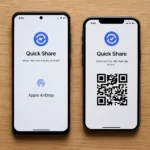

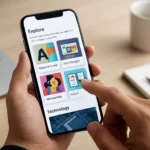
To apply privacy to specific apps, open Privacy display settings, select Apps, and choose supported sensitive applications like banking or payment tools. To protect PIN and password entry, enable the PIN/pattern/password toggle; the feature auto-applies during lock screen and Settings authentication. For notifications, enable the Notification pop-ups toggle to restrict visibility of alert text to straight-on viewing only. Each toggle is independent, so you can mix and match privacy modes across your phone’s use cases.
Frequently Asked Questions
Can you use Samsung Privacy Display on third-party apps?
Samsung Privacy Display supports PIN, pattern, and password entry in Samsung’s own apps and Google’s ecosystem, but third-party authentication—custom login screens in banking apps or social networks—does not trigger auto-privacy. You can manually enable global privacy mode to protect third-party app content, but the per-app automation only works with Samsung and Google’s security systems.
Does Samsung Privacy Display dim the screen?
No. The Black Matrix dual-pixel architecture maintains full brightness in standard mode. Partial privacy dims only the affected area (notifications), and maximum privacy adjusts contrast rather than overall brightness. This is the key advantage over physical privacy films, which reduce brightness across the entire display.
Will iPhone 18 Pro get Samsung Privacy Display?
There is no indication Apple has licensed or will license Samsung Privacy Display for iPhone 18 Pro. Apple typically develops its own display innovations rather than adopting competitor hardware. If iPhone 18 Pro adds privacy screen features, they would likely arrive as a later software update or in a future generation, not at launch.
Samsung Privacy Display represents a genuine hardware breakthrough in anti-shoulder-surfing technology. For Pixel 11, adoption would mean shipping with a privacy feature that iPhone 18 Pro lacks—a rare advantage in flagship positioning. For everyone else, it signals that privacy-conscious display design is moving from aftermarket films to built-in silicon. The feature is selective, effective, and requires no trade-offs in brightness or usability. That combination is why Samsung’s innovation matters, and why Google is likely watching closely.
Edited by the All Things Geek team.
Source: T3