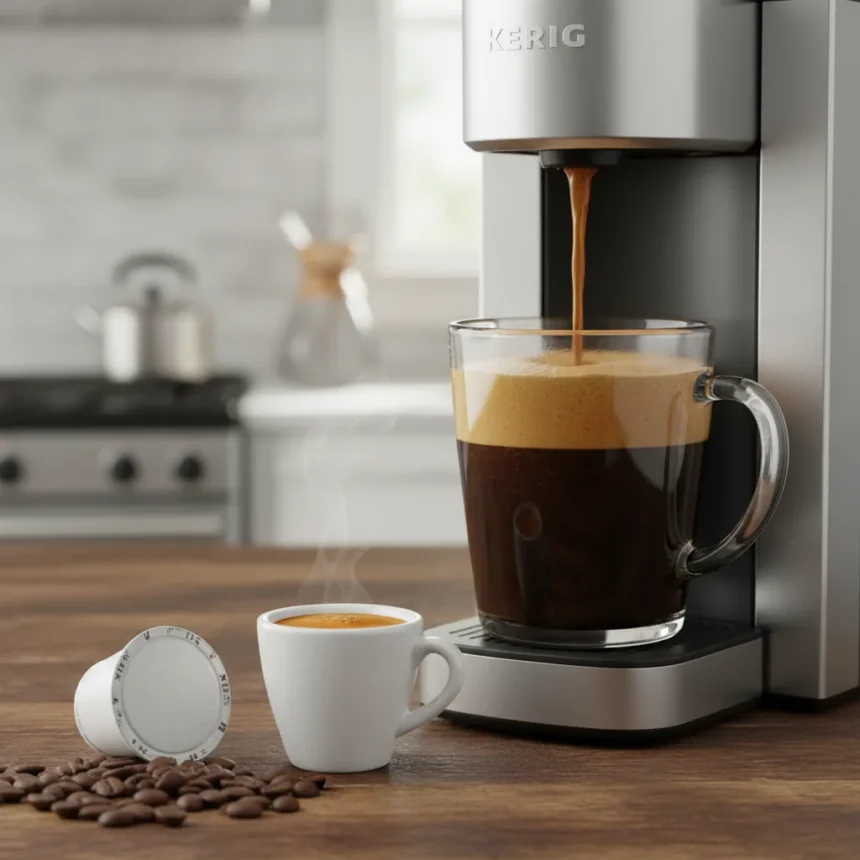
The Keurig K-Crema high-pressure coffee maker is the first Keurig machine to feature PressureInfusion Technology, a system designed to create thicker crema and smoother, more flavorful brews than traditional pod brewers. It’s a meaningful step up from standard Keurig machines, but whether it justifies the price depends entirely on what you’re willing to sacrifice for convenience.
Key Takeaways
- The K-Crema is Keurig’s first machine with PressureInfusion Technology, delivering thicker crema than standard pod brewers.
- Works with both coffee and hot chocolate K-Cups, maintaining Keurig’s ecosystem flexibility.
- Positioned as an upgrade from typical Keurig machines, not a replacement for espresso makers or manual brewers.
- High-pressure extraction promises smoother, more flavorful coffee compared to conventional pod brewing.
- Combines upgraded extraction technology with the speed and ease Keurig machines are known for.
What Makes the Keurig K-Crema Different
The defining feature of the Keurig K-Crema high-pressure coffee maker is its PressureInfusion Technology. Unlike standard Keurig brewers that rely on basic water-and-pod contact, this system applies pressure to the extraction process, creating a denser, more textured crema layer on top of your brew. That crema—the golden foam you’d normally only see in espresso—is what Keurig is betting will convince pod-machine users that they’re getting something genuinely different. The technology delivers visibly thicker crema than a typical Keurig machine, which is the machine’s core selling point.
The practical difference matters. Thicker crema traps oils and aromatics that would otherwise dissipate, theoretically delivering a smoother, more flavorful cup. For people stuck in the pod ecosystem—whether by habit, household preference, or sheer convenience—this is a legitimate upgrade. You’re not buying a manual espresso machine or committing to daily grind-and-tamp routines. You’re buying a faster, easier coffee maker that tastes noticeably better than what came before.
Keurig K-Crema High-Pressure Coffee Maker vs. Standard Pod Brewers
The gap between the Keurig K-Crema high-pressure coffee maker and a conventional Keurig machine is real but narrow. Standard pod brewers lack the pressure mechanism entirely, meaning water simply saturates the grounds without the extraction intensity that pressure provides. This results in thinner, less complex coffee—serviceable but forgettable. The K-Crema closes that gap by introducing pressure, which forces water through the grounds more aggressively, extracting more flavor compounds and producing that visible crema layer.


Where the comparison breaks down is against true espresso machines or manual pour-over setups. The Keurig K-Crema is not an espresso maker. It’s a pressure-assisted pod brewer, which means it sits in a middle ground: better than basic pod machines, but fundamentally limited by its reliance on pre-packaged K-Cups. You sacrifice grind control, bean freshness, and the ritual that many coffee enthusiasts crave. But you gain speed and consistency, which for busy households is a genuine value trade-off.
Versatility Beyond Coffee
The Keurig K-Crema works with both coffee and hot chocolate K-Cups, maintaining the ecosystem flexibility that makes Keurig machines appealing to multi-drinker households. This matters more than it sounds. If you’re the only coffee drinker in your home but live with someone who prefers hot chocolate or tea, the K-Crema doesn’t force you to buy a separate machine. That versatility is a practical advantage over single-purpose brewers, even if it doesn’t directly relate to the PressureInfusion Technology itself.



Is the Keurig K-Crema Worth the Investment?
The answer depends on your priorities. If you’re already committed to the Keurig ecosystem and want noticeably better coffee without abandoning convenience, the K-Crema is a sensible upgrade. The PressureInfusion Technology delivers on its promise of smoother, more flavorful brews with visible crema. If you’re a coffee enthusiast considering whether to switch from manual brewing to a pod machine, this is not the machine that will convince you—nothing pod-based will. But if you’re comparing the K-Crema to other single-serve brewers in the same category, its pressure-assisted extraction is a meaningful differentiator.
FAQ
What is PressureInfusion Technology?
PressureInfusion Technology is Keurig’s pressure-assisted extraction system that applies force to the brewing process, creating thicker crema and extracting more flavor compounds from K-Cups than standard Keurig machines. This results in smoother, more complex coffee with visible crema similar to espresso.
Does the Keurig K-Crema make espresso?
No. The Keurig K-Crema is a pressure-assisted pod brewer, not an espresso machine. While it creates thicker crema through high-pressure extraction, it operates within the constraints of K-Cup brewing and does not produce true espresso.
Can you use the Keurig K-Crema with non-Keurig pods?
The research brief does not specify compatibility with third-party pods. The K-Crema is designed to work with Keurig’s K-Cup format, and compatibility with other pod systems is not addressed in available information.



The Keurig K-Crema high-pressure coffee maker is a solid choice if you value convenience and want noticeably better coffee than standard pod brewers offer. It’s not a gateway to specialty coffee, nor is it meant to be. What it does is make the pod-brewing experience tangibly smoother and more flavorful—a meaningful upgrade for the household that’s already all-in on Keurig’s ecosystem and ready to spend more for better extraction.
Where to Buy
Edited by the All Things Geek team.
Source: TechRadar