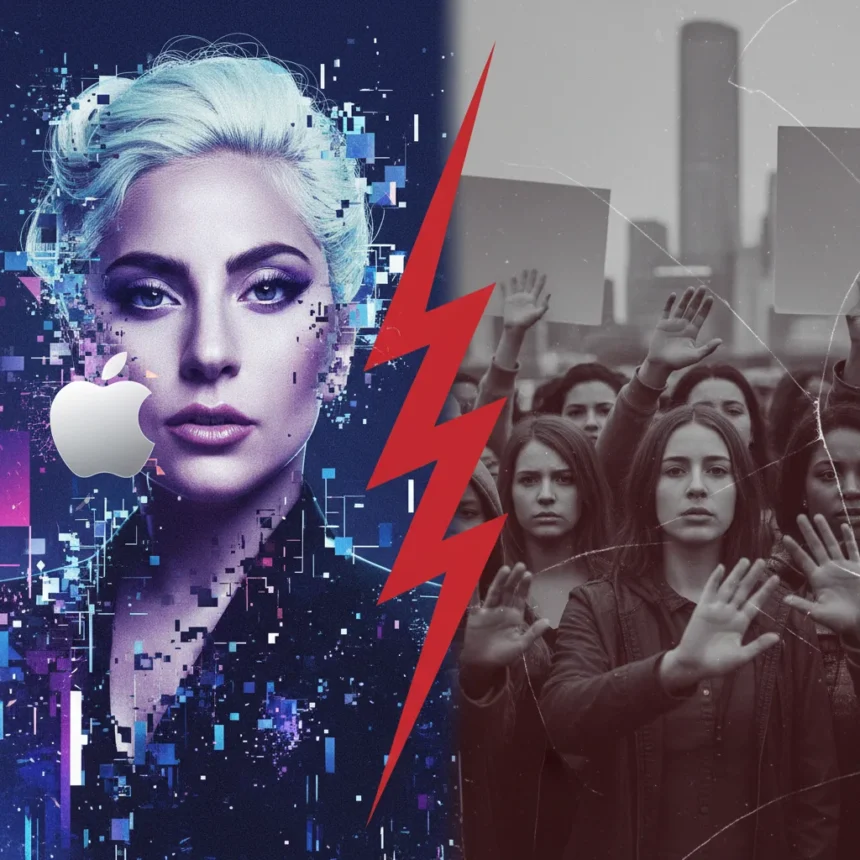
Public perception of AI design is shifting dramatically. Where excitement once dominated conversations about artificial intelligence in creative work, skepticism and outright criticism now dominate. Recent controversies involving Lady Gaga and Apple illustrate this cultural pivot, revealing that what seemed innovative five years ago now triggers immediate backlash.
Key Takeaways
- Public attitudes toward AI-generated design have shifted from enthusiasm to skepticism in recent years.
- High-profile brands like Lady Gaga and Apple have faced design controversies tied to AI perception.
- The quote “Five years ago I would have thought this was so cool” captures the speed of this cultural reversal.
- Design controversies now serve as barometers for broader concerns about authenticity and creative labor.
- Consumer trust in AI-assisted creative work is declining faster than the technology itself is advancing.
Why Public Perception of AI Design Changed So Quickly
Five years ago, AI-generated imagery and AI-assisted design felt like the future. Tech enthusiasts celebrated algorithmic creativity as a democratizing force. Brands saw it as latest. But public perception of AI design has inverted almost entirely. The same audiences who once marveled at neural networks creating art now view AI involvement in creative work with suspicion or outright hostility. The shift happened faster than most industries anticipated.
This reversal reflects deeper anxieties about authenticity, labor, and control. When AI design tools first emerged, they seemed like neutral creative aids. Now they are understood as systems trained on human-created work, raising questions about artist compensation and creative ownership. The technology itself did not change—the cultural context around it did. Public perception of AI design is now filtered through concerns about environmental cost, copyright infringement, and the displacement of human creators.
The Lady Gaga and Apple Design Controversies Explained
Lady Gaga and Apple have both faced backlash related to design choices and AI perception, though the specific details of each controversy remain contested. What matters is not the technical details but what these controversies signal: that mainstream audiences now scrutinize brand decisions through an AI lens. Where a design choice might once have been evaluated purely on aesthetics or functionality, it is now evaluated on whether AI played any role—and whether that role feels authentic or exploitative.



These controversies are not isolated incidents. They represent a broader pattern in which public perception of AI design has become a liability rather than an asset for brands. A company that once would have proudly announced AI involvement in a campaign now faces pressure to clarify that human creators led the work. The burden of proof has reversed. Brands must now prove their work is authentically human, not the other way around.
What This Shift Means for Design and Brand Strategy
Public perception of AI design is reshaping how brands approach creative work. The safest strategy now is transparency about creative process, with emphasis on human decision-making and artistic vision. Brands that lean too heavily on AI marketing risk alienating audiences who view the technology as a shortcut or a threat to creative integrity.



This cultural moment also reflects generational differences. Younger audiences who grew up with algorithmic content may have different thresholds for what feels authentic. But the controversies suggest a broad consensus: AI-generated or AI-heavy design requires justification in ways it did not five years ago. The technology has not become less capable. Instead, public perception of AI design has become more critical and more informed about the implications of algorithmic creativity.
For designers, this means the conversation has matured. Instead of debating whether AI tools should be used, the field is now debating how they should be used responsibly. Public perception of AI design will likely continue to evolve, but the initial period of uncritical enthusiasm has clearly ended.
How Did Public Perception of AI Design Change So Dramatically?
The shift reflects increased awareness of AI training methods, copyright concerns, and job displacement fears. As AI systems became more visible and their limitations more apparent, public enthusiasm waned. Media coverage of AI-generated art raising copyright disputes and displacing freelance creators accelerated the cultural reversal. What once seemed futuristic now feels risky.
Will Public Perception of AI Design Ever Return to Optimism?
Possibly, but only if the industry addresses underlying concerns about authenticity and labor. Transparency about AI use, fair compensation for training data, and clear human creative leadership could rebuild trust. For now, public perception of AI design remains skeptical, and brands are adjusting their strategies accordingly.



What Should Brands Do About Public Perception of AI Design?
Brands should prioritize transparency and human-centered storytelling. If AI tools are used, explain why and how. Emphasize the human creators who directed and refined the work. Avoid marketing AI involvement as a selling point. Public perception of AI design will reward authenticity and penalize perceived shortcuts or exploitation of creative labor.
The Lady Gaga and Apple controversies are not warnings to avoid AI entirely—they are warnings to use it thoughtfully. Public perception of AI design has matured faster than many expected, and brands that adapt to this new skepticism will build stronger audience trust than those clinging to outdated enthusiasm about algorithmic creativity.
Edited by the All Things Geek team.
Source: Creativebloq