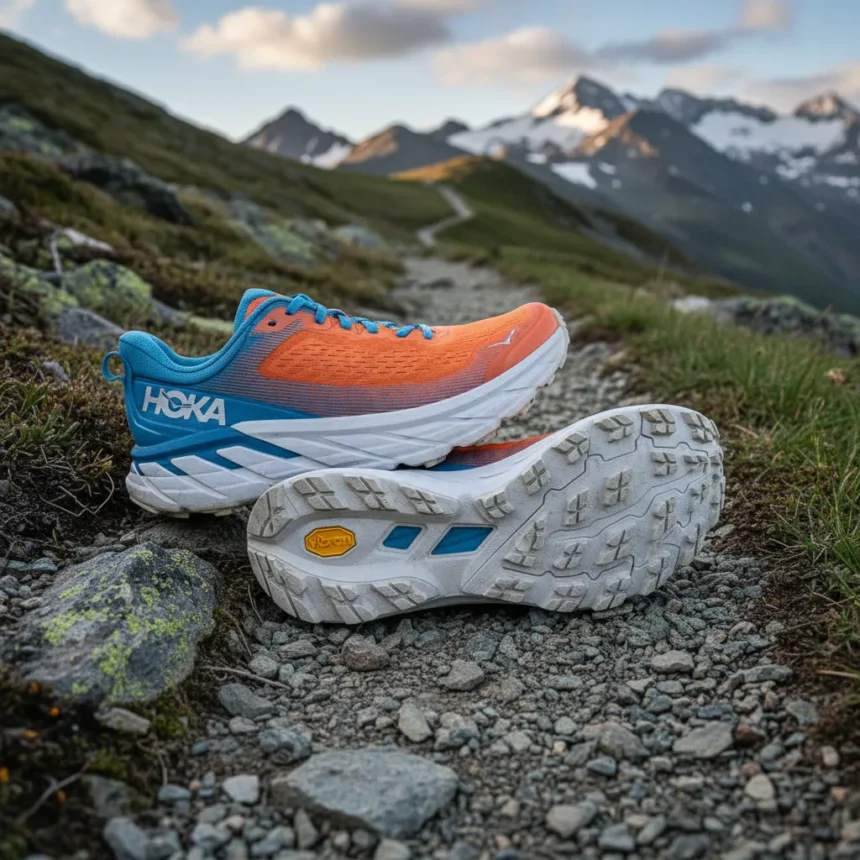
The Hoka Speedgoat 7 trail shoe is a lightweight, versatile trail runner made by Hoka, priced at $165 USD, and designed for mixed terrain and long-distance use. After 35 miles of real-world testing across varied surfaces, this shoe reclaims the “do-it-all” reputation the Speedgoat line once held—and fixes the missteps of its predecessor.
Key Takeaways
- Weighs under 10 ounces per shoe (men’s size 9), making it lighter than most trail competitors.
- Vibram Megagrip outsole with 5mm lugs excels on steep, muddy, snowy, and icy terrain.
- Superior SCF EVA midsole is firmer and more responsive than the Speedgoat 6, with stable, lively rebound.
- Non-stretchy engineered mesh upper is more breathable and secure than prior generation.
- Wide footprint and rigid midfoot geometry benefit overpronators and side-hill stability.
Why the Speedgoat 7 Matters Right Now
The Speedgoat 6 stumbled—stretchy upper, stiff ride, and compromised traction left runners frustrated. Hoka listened. The Speedgoat 7 addresses every complaint with a refined midsole, rejiggered traction lugs, and a redesigned fit. In a market crowded with specialized trail shoes, a true all-rounder is rare. This one actually delivers.
What makes this shoe urgent is its wet-weather prowess. As seasons shift toward rain, mud, and snow, the Vibram Megagrip outsole becomes genuinely valuable—not marketing speak. Reviewers note best-in-class traction on steep and technical terrain, mud, snow, ice, and even frosty pavement. For runners facing unpredictable conditions, that’s a real selling point.
Hoka Speedgoat 7 Trail Shoe Build and Fit
At under 10 ounces, the Hoka Speedgoat 7 trail shoe is noticeably light without sacrificing protection. The 37mm stack height in the heel provides cushioning without feeling marshy. The midsole uses Superior SCF EVA foam—a firmer, more responsive compound than the Speedgoat 6. Testers report lively rebound and solid shock absorption, paired with a stable, grounded ride that doesn’t feel sloppy on technical descents.


The upper is where the redesign shines. The engineered woven mesh is static and non-stretchy—a major shift from the Speedgoat 6’s baggy fit. The foot-hugging internal chassis, full heel collar coverage, and dual gusset tongue keep your foot locked in place without pinching. Wider lace eyelets make adjustments easier on the trail. Durability scores an 8 out of 10, and the shoe is water resistant.
One caveat: runners with wide feet report that the pinky toe area can feel compressive. However, the shoe’s geometry—wide footprint, secure heel cup, and rigid midfoot—makes it particularly suited for overpronators who need stability over neutral cushioning.



Hoka Speedgoat 7 Trail Shoe vs. Competitors
Compared to the Speedgoat 6, the Speedgoat 7 is a substantial upgrade. The traction lugs are rejiggered for steeper terrain, the foam is more responsive, and the upper no longer stretches out after the first run. You lose the easy slide-in heel of the prior generation—a trade-off worth making.
Against the Hoka Cascadia 19, the Speedgoat 7 offers more support for overpronators despite its higher stack, making it the better choice for runners who need lateral control. Compared to the Hoka Challenger—a road-focused shoe—the Speedgoat 7 handles pavement surprisingly well for a full trail shoe, though it shines brightest on dirt and rock.
The shoe faces stiff competition in the traction-and-stability category it helped popularize. It’s not the most agile for technical scrambling, nor the cushiest for pure comfort, nor the most breathable for hot climates. But it doesn’t try to be—it tries to be reliable across almost everything, and it succeeds.
Should You Buy the Hoka Speedgoat 7 Trail Shoe?h2>
If you run mixed terrain and want one shoe to handle trails, roads, hiking, and long distances, the Speedgoat 7 is worth the $165 investment. Reviewers across platforms note that if they could choose only one shoe for six months, this would be it. The shoe’s versatility and grip on wet, icy, and technical ground make it especially valuable as seasons turn unpredictable.



Skip it if you prioritize maximum breathability, forefoot trail feel, or agility on dry, rocky terrain. The engineered mesh upper, while secure, isn’t the most ventilated. And the shoe’s focus on stability and protection means it’s not the leanest, most responsive option for speed-focused runners.
How does the compare to fell shoes?
The Speedgoat 7 matches fell shoes in wet, muddy, and snowy conditions but trails them on rough, dry ground where lighter fell shoes excel. It compares favorably to road shoes in cushioning and stability, making it a better all-rounder than either specialist shoe.
Is the Hoka Speedgoat 7 trail shoe good for long distances?
Yes. The shoe’s comfortable ride, stable geometry, and reliable grip make it suited for ultramarathons and multi-hour trail runs. Multiple reviewers note its suitability for extended mileage without complaint.
What’s the weight of the Hoka Speedgoat 7 trail shoe?
The Hoka Speedgoat 7 trail shoe weighs under 10 ounces per shoe in men’s size 9, making it competitive with lightweight trail runners while maintaining a protective, stable platform.
The Hoka Speedgoat 7 trail shoe isn’t flashy or latest. It simply does what the Speedgoat line should do: deliver comfort, grip, and confidence over long, mixed-terrain miles. After 35 miles of real-world use, it proves the hype is justified. If you’ve been burned by the Speedgoat 6 or are hunting for a single versatile trail shoe, this one earns a place in your rotation.
Where to Buy
Edited by the All Things Geek team.
Source: Tom's Guide