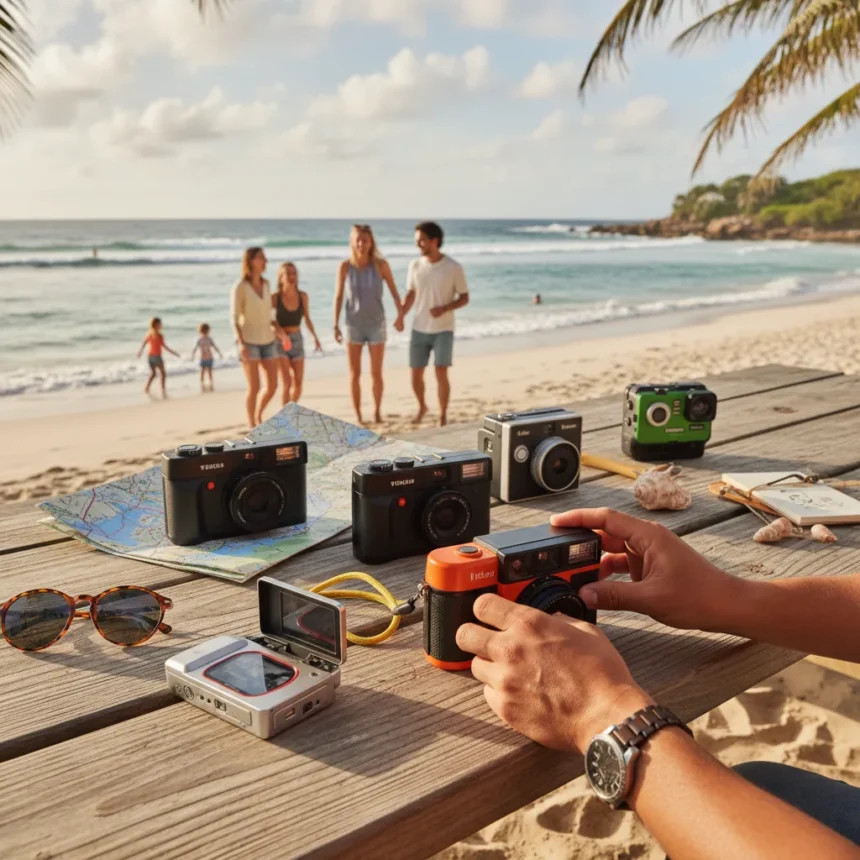
Compact and film cameras have become the go-to choice for photographers who want to ditch their phones and capture genuine moments during summer outings. A professional camera tester at Tom’s Guide who has spent hundreds of hours evaluating instant cameras and tested nearly 30 cameras in 2025 has curated a list of portable, adventure-ready options that prioritize ease of use over technical complexity.
Key Takeaways
- Compact and film cameras offer a refreshing alternative to smartphone photography for summer adventures.
- Instant cameras like the Fujifilm Instax mini Evo and Polaroid Go Gen 2 dominate the beginner-friendly category.
- Rugged compacts such as the Pentax WG-1000 are built for outdoor durability and unpredictable conditions.
- Budget mirrorless options like the Canon EOS R100 provide interchangeable-lens versatility without premium pricing.
- Film photography’s resurgence includes modern anti-blur features that remove the guesswork from traditional film capture.
Why Compact and Film Cameras Are Perfect for Summer
Compact and film cameras excel where smartphones struggle: they encourage intentional composition, produce tactile memories, and free you from screen fatigue. Unlike camera phones, these devices force you to slow down and think about each shot. For summer hangouts with friends and family, that mindfulness translates into more genuine, less-curated moments.
The appeal extends beyond nostalgia. Modern compact and film cameras combine retro aesthetics with practical features designed for casual users. You don’t need a photography degree to operate them, and you won’t spend the afternoon adjusting settings instead of enjoying your time outdoors. That’s the entire point: grab the camera, shoot, and move on.
Instant Cameras Lead the Pack
Instant cameras dominate recommendations for summer use because they deliver physical prints on the spot. According to the Tom’s Guide tester, you can’t go wrong with Polaroid and Fujifilm Instax, the two brands that set the standard.

The Fujifilm Instax mini Evo stands out as the most versatile instant option, offering multiple shooting modes and the ability to print from your phone when you want digital flexibility. The Polaroid Go Gen 2 strips away complexity and focuses on simplicity—just point, shoot, and watch the photo develop in your hands. For those seeking an even more straightforward experience, the Fujifilm Instax mini 12 rounds out the instant trio as a no-frills, beginner-friendly choice.
What makes instant cameras ideal for summer is the social element. Printed photos become conversation starters at picnics, beach trips, and camping outings. Everyone wants to see the image develop, and you’ve created a shared memory in seconds.



Rugged Compacts for Real Adventures
When summer plans involve hiking, water sports, or dusty festival grounds, rugged compacts like the Pentax WG-1000 prove their worth. These cameras are built to withstand conditions that would destroy a smartphone. Weather-sealed construction, shockproof bodies, and durable lenses mean you can focus on the experience rather than babying your gear.
The Fujifilm Instax Pal is another compact option that bridges portability and durability, designed for photographers who want something smaller than traditional compacts but tougher than a phone. Both rugged compacts prioritize adventure readiness over megapixels or processing speed.
Budget Mirrorless for Serious Hobbyists
If you’re ready to upgrade beyond fixed-lens cameras, the Canon EOS R100 offers interchangeable-lens capability at a price point that won’t devastate your wallet. It’s positioned as one of the most affordable mirrorless cameras available, making it accessible for photographers who want more creative control without premium pricing.
Mirrorless systems let you swap lenses for different scenarios—a wide-angle for landscapes, a prime for portraits, a telephoto for wildlife. For summer travel where versatility matters, that flexibility justifies the investment.



Film Photography’s Modern Twist
Film photography has experienced a genuine revival, and modern film cameras address one of the format’s biggest frustrations: unpredictable results. Newer film models, including recent Lomography releases, include anti-blur features that remove the guesswork from handheld shooting.
The tester recommends these modern film options over high-end vintage cameras for summer use. Vintage gear demands expertise to avoid common pitfalls like underexposure or motion blur. Contemporary film cameras deliver the aesthetic you want without requiring a film photography degree.
What Makes a Camera Right for Summer
The tester’s recommendations cluster around three core criteria: portability, reliability, and fun factor. Summer cameras should fit in a backpack, work consistently without fiddling, and encourage you to shoot rather than overthink.
Brands like Fujifilm, Polaroid, Canon, and Pentax dominate the list because they’ve earned trust through reliability. You’re not gambling on whether your camera will work when the moment matters. That confidence matters more on a beach or mountain trail than megapixel counts ever will.
Compact Cameras vs. Your Phone: Why Make the Switch
Smartphone cameras have become genuinely capable, yet compact and film cameras offer something different: a deliberate shooting experience and physical output. You’re not checking notifications while framing a shot, and you’re not storing memories as encrypted files on a cloud server.
Compact cameras also produce distinctive aesthetics. Instant film has a look that no filter can replicate. Film stocks offer color rendition and grain that feel intentional rather than applied. Even digital compacts render colors differently than phones, partly because manufacturers tuned them for different use cases.
FAQ
Which instant camera should a complete beginner choose?
The Fujifilm Instax mini 12 is the easiest entry point: load film, point, press the button, and watch it develop. The Polaroid Go Gen 2 offers similar simplicity with a more compact form factor. Both are forgiving of exposure mistakes and require zero manual adjustment.
Are compact and film cameras worth the film cost?
Film and instant cartridges cost more per shot than digital, but that expense encourages intentionality. You’ll shoot fewer frames, think harder about composition, and value the results more. For summer outings where you’re prioritizing memories over volume, the cost is justified.
Can I use compact cameras in bad weather?
Standard compacts and instant cameras aren’t weather-sealed, so rain or splashing is risky. If your summer plans include water activities, rugged options like the Pentax WG-1000 are purpose-built for wet conditions. Film cameras vary by model, so check specifications before exposing them to moisture.
The bottom line: compact and film cameras transform summer from a scroll-through-photos experience into a tactile, intentional memory-making process. Whether you choose instant gratification, rugged durability, or interchangeable-lens versatility, the tester’s recommendations prioritize cameras that get out of your way and let you enjoy the moment.
Where to Buy
KODAKCharmera$34.99shop now | 17% OFFKODAKPIXPRO C1$99$119.99shop now | 24% OFFFujifilmX half$649$849.95shop now | DJIOsmo Pocket 3$498shop now | 13% OFFCanonPowerShot V1$898.95$1,028.01shop now
Edited by the All Things Geek team.
Source: Tom's Guide