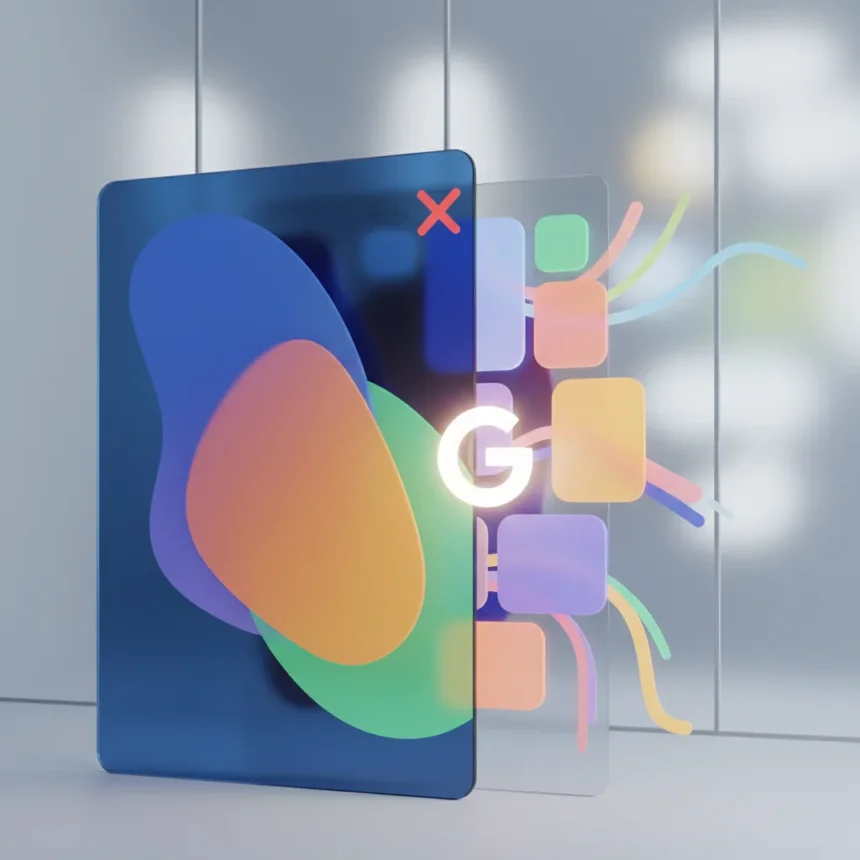
Google has officially crushed speculation that Android would adopt Apple’s Liquid Glass design language, with a spokesperson bluntly dismissing the rumors as unfounded. The Liquid Glass design represents a significant shift in how Apple approaches transparency and layering on iOS 26, featuring translucent icons, adaptive overlays, and homescreen customization that responds to light and dark modes. But despite viral comparisons between iOS 26’s new aesthetic and Android’s direction, Google is making clear that this design convergence will not happen.
Key Takeaways
- Google explicitly denied rumors that Android would copy Apple’s Liquid Glass design language.
- Liquid Glass introduces transparent icons, layered effects, and adaptive customization to iOS 26 homescreen.
- Google’s Material 3 Expressive is positioned as a distinct, personalized alternative focused on reactivity.
- The denial reinforces Google’s history of independent design evolution separate from iOS.
- Speculation arose amid fierce 2026 flagship competition between iPhone 17 and Pixel 10 series.
Why the Liquid Glass Rumor Gained Traction
Speculation that Android might embrace Liquid Glass stemmed from unverified leaks and side-by-side comparisons between iOS 26’s new transparent design system and Android 16’s upcoming features. The visual similarities between Apple’s slick glass-like overlays and the direction some expected Android to take sparked widespread discussion among tech enthusiasts. During a competitive flagship season when iPhone 17 and Pixel 10 devices are launching, design divergence becomes a key differentiator for both ecosystems.
The Liquid Glass system itself represents Apple’s most substantial homescreen redesign in over a decade. Beyond simple transparency, it includes layered effects on icons that adapt to wallpaper colors and lighting conditions, plus enhanced customization options such as photo shuffle on the lockscreen. This level of visual polish created the impression that Android might need to follow suit to remain visually competitive.
Google’s Material 3 Expressive Takes a Different Path
Rather than chasing Apple’s aesthetic, Google is doubling down on Material 3 Expressive, which the company describes as more personalized and reactive than Liquid Glass. The distinction matters: where Liquid Glass emphasizes transparency and layered visual effects, Material 3 Expressive prioritizes individual customization and responsive behavior. A Google spokesperson made the company’s position unmistakable, stating that rumors of Android copying Liquid Glass were simply not happening, calling the speculation crazy.


This response aligns with Google’s established pattern of evolving its design language independently rather than mirroring iOS features wholesale. Android has its own visual philosophy, and Material Design has evolved through multiple iterations without directly aping Apple’s approach. Material 3 Expressive continues that tradition by focusing on what Google believes Android users value: personalization and dynamic responsiveness rather than pure visual transparency.
What Liquid Glass Design Means for iOS 26
Apple’s Liquid Glass rollout extends beyond the homescreen. The iOS 26 Camera app has adopted the design language to streamline its interface, replacing traditional button layouts with cleaner default modes for Photo and Video, with swipes to access Portrait, Panoramic, and Slow-motion modes. This demonstrates Apple’s commitment to applying the aesthetic consistently across system apps, creating a cohesive visual identity that distinguishes iOS 26 from previous generations.



The design choice reflects Apple’s philosophy of merging form with function. Transparency and layering are not merely decorative—they serve to reduce visual clutter and create clearer visual hierarchy. However, this approach does not mean every platform needs to follow it. Android’s strength has always been diversity of design expression, and Google’s refusal to adopt Liquid Glass underscores that principle.
Design Independence in a Competitive Market
Google’s firm denial matters because it signals confidence in Android’s own design direction during peak competitive season. When flagship phones from rival manufacturers launch within weeks of each other, design becomes a primary selling point. Pixel phones have earned recognition for their distinctive visual identity, from custom UI touches to thoughtful icon design. Copying Liquid Glass would have diluted that identity and suggested Google was following rather than leading.
The broader ecosystem context also matters. While other phone makers may eventually adopt Liquid Glass-inspired elements, Google is explicitly rejecting this path for Pixel and Android. This decision preserves the visual distinction between ecosystems and reinforces that Android design evolution will follow its own trajectory, not Apple’s lead.
Is Google’s Material 3 Expressive actually different from Liquid Glass?
Yes. Material 3 Expressive prioritizes personalization and reactivity, while Liquid Glass emphasizes transparency and layered visual effects. The two systems approach interface design from fundamentally different philosophies—one focused on individual customization, the other on visual polish through transparency.


Will Android phones ever adopt Liquid Glass-style transparent icons?
Google has ruled this out for Android and Pixel phones. While third-party manufacturers might experiment with similar aesthetics, Google is committed to its own Material 3 Expressive direction and has made clear it will not mirror Apple’s approach.
What makes Liquid Glass different from previous iOS redesigns?
Liquid Glass represents iOS 26’s most significant homescreen overhaul in over a decade, introducing adaptive transparency, layered icon effects that respond to wallpapers and lighting, and enhanced customization like photo shuffle on the lockscreen. Previous iOS versions refined existing design language; Liquid Glass fundamentally reimagines how the interface looks and behaves.
Google’s blunt rejection of Liquid Glass rumors settles months of speculation and reinforces a crucial truth: Android and iOS do not need to converge visually to both succeed. Each platform has evolved its own design language, and that independence is a feature, not a flaw. As flagship phones from both ecosystems compete aggressively in 2026, design differentiation will remain a key competitive advantage. Google is betting that Material 3 Expressive’s focus on personalization and reactivity will resonate with Android users far more than chasing Apple’s transparency trend ever could.
Edited by the All Things Geek team.
Source: Tom's Guide