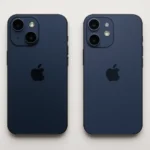
The iPhone 17e vs iPhone 17 comparison exposes a uncomfortable truth for Apple: the company’s $200 price gap no longer translates to dramatically different real-world performance. Both phones run the A19 chip on TSMC’s 3nm process, deliver nearly identical battery life, and handle demanding games without breaking a sweat. The question isn’t whether the iPhone 17 is better—it is—but whether the upgrades justify the cost for most users.
TL;DR: The iPhone 17e ($599) and iPhone 17 ($799) share the same A19 processor and deliver nearly identical battery performance (12h35m vs 12h47m). The iPhone 17 wins with a 120Hz display, ultrawide camera, and better front camera, but the 17e covers the basics at $200 less. Choose the 17e for value; pick the 17 if you want versatility.
Performance: Identical chip, identical results
Both phones use the A19 processor, which means gaming, app performance, and everyday tasks feel exactly the same on either device. The iPhone 17e runs Diablo Immortal without issues, just like the iPhone 17. Benchmark scores from the iPhone 17 (Geekbench single-core 3,701 / multi-core 9,460; WildLife Unlimited 130.97 fps) represent what you get on the 17e as well. This shared silicon is the 17e’s greatest strength—Apple didn’t gimp the processor to justify a lower price, which is rare in budget phone lineups.
The performance parity means the iPhone 17e isn’t a compromise device for light users only. Content creators using Adobe Premiere Rush (0:22 render time) will experience the same speed on both phones. If processing power is your primary concern, the 17e is the obvious choice. You’re paying $200 extra on the iPhone 17 for features that have nothing to do with raw speed.


Display and design: Where the price difference shows
This is where the iPhone 17 pulls ahead decisively. The iPhone 17 features a 6.3-inch OLED display with 120Hz ProMotion refresh rate, while the iPhone 17e makes do with a 6.1-inch OLED at 60Hz and includes a notch. That 60Hz cap on the 17e feels dated in 2026, especially when scrolling through social media or playing action games. The 120Hz on the iPhone 17 isn’t a gimmick—it’s a noticeable quality-of-life improvement that becomes obvious the moment you switch between devices.
The size difference matters too. The larger 6.3-inch screen on the iPhone 17 is better for video watching and gaming, though the 6.1-inch 17e is more pocketable. If you value screen real estate and smoothness, this category alone justifies upgrading. However, if you spend most of your time on messaging and email, the 17e’s display is perfectly adequate.



Camera: Versatility versus essentials
Both phones have a 48MP main camera that performs excellently, crushing competitors like the Pixel 10a in low-light shots and landscape detail. The real difference emerges in versatility. The iPhone 17 adds a 48MP ultrawide lens, while the iPhone 17e lacks this second shooter. For group photos, wide landscapes, or architectural shots, the iPhone 17’s ultrawide is genuinely useful. The iPhone 17e forces you to step back or crop, which isn’t ideal.
The front-facing cameras tell a similar story. The iPhone 17’s 18MP selfie camera with a wider field of view beats the iPhone 17e’s 12MP sensor, making group selfies and video calls noticeably better on the pricier model. If photography versatility matters to you—and it should, since cameras are used daily—the iPhone 17 wins this round. But if you primarily take selfies and standard landscapes, the 17e’s main camera is genuinely competitive.
Battery life: The 17e holds its own
Tom’s Guide testing shows the iPhone 17 lasting 12 hours 47 minutes versus the iPhone 17e’s 12 hours 35 minutes. That 12-minute difference is negligible in real-world use—both phones easily make it through a full day. This near-tie is remarkable given the $200 price gap and the iPhone 17’s larger, higher-refresh display, which typically demands more power. The iPhone 17e’s battery efficiency is genuinely impressive, suggesting Apple didn’t cut corners on power management to hit the lower price point.
Storage and durability: The 17e gets upgrades too
The iPhone 17e arrives with 256GB as the base storage option (with a 512GB variant available), double the iPhone 16e’s 128GB. Both phones include MagSafe for wireless charging and accessory compatibility. The iPhone 17e also features Ceramic Shield 2, Apple’s scratch-resistant glass that is 3x more resistant than the original version, resisting light scratches at Mohs level 7. These aren’t flagship features—they’re baseline expectations—but the 17e delivers them at an entry-level price, which is noteworthy.



The value question: Who should buy which?
The iPhone 17e makes sense if you prioritize performance, main camera quality, and battery life without needing a secondary lens or high-refresh display. At $599, it’s a legitimate alternative to the Pixel 10a and Galaxy A56, offering superior gaming and low-light photography. The iPhone 17, at $799, justifies its premium with 120Hz smoothness, ultrawide versatility, and a larger screen—genuine upgrades for users who notice these things daily.
The real winner depends on your use case. If you take lots of photos and want a smooth scrolling experience, the iPhone 17 is the better value despite costing more. If you want flagship performance at the lowest possible price, the iPhone 17e is genuinely competitive. Apple’s decision to share the A19 across both models means neither phone feels like a compromise on speed—only on features.
How much better is the iPhone 17’s camera compared to the iPhone 17e?
The main 48MP sensors are identical in quality. The difference is the ultrawide lens on the iPhone 17, which the 17e lacks entirely. For everyday photography, the 17e’s main camera is excellent. For versatility and group shots, the iPhone 17 is noticeably better.
Does the iPhone 17e have MagSafe?
Yes, both the iPhone 17e and iPhone 17 include MagSafe for wireless charging and accessory compatibility. This is a meaningful upgrade for the 17e compared to its predecessor.
Is the iPhone 17e worth buying over the iPhone 17?
It depends on your priorities. If you care most about performance, main camera quality, and battery life, the iPhone 17e delivers all three at $200 less. If you want a 120Hz display and ultrawide lens, the iPhone 17 is worth the premium. Neither phone is a bad choice—the gap has simply narrowed more than Apple’s pricing suggests.
The iPhone 17e vs iPhone 17 comparison reveals that Apple’s entry-level phone has matured significantly. The 17e isn’t a stripped-down device for budget shoppers anymore; it’s a fully capable phone that happens to cost less. The iPhone 17 remains the better all-rounder with its superior display and camera versatility, but the $200 difference now buys features rather than fundamental performance improvements. For the first time in years, Apple’s budget iPhone doesn’t feel like a compromise—it feels like a choice.
Edited by the All Things Geek team.
Source: Tom's Guide