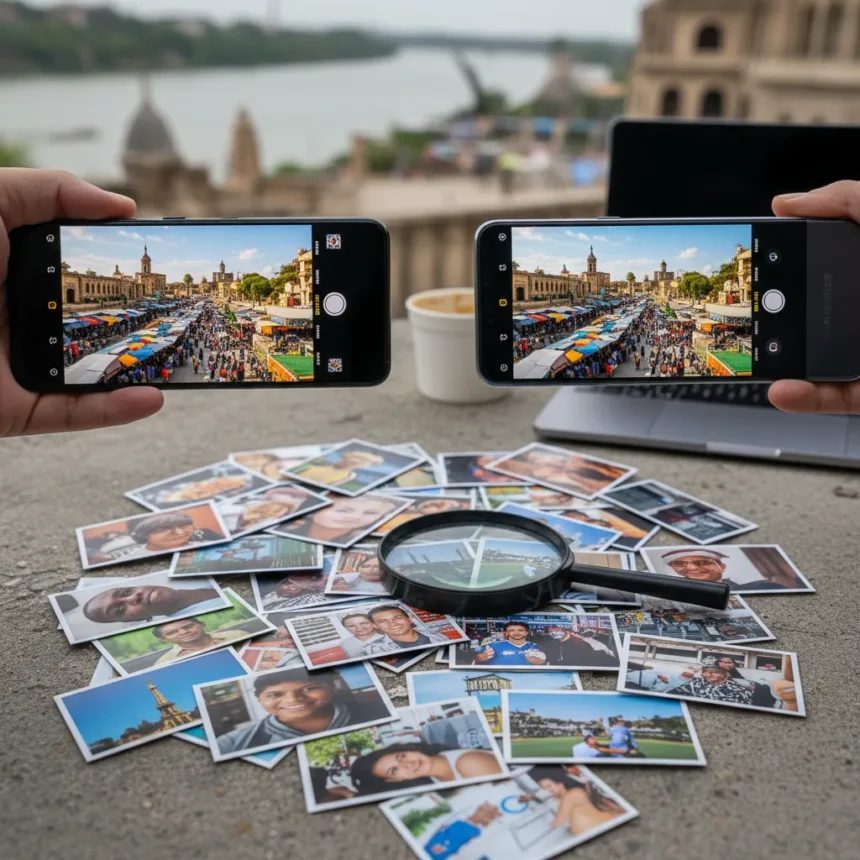
The Oppo Find X9 Ultra camera has arrived to challenge Samsung’s Galaxy S26 Ultra at the top of the flagship smartphone heap. Both phones pack 200MP camera systems, but specs on paper tell you nothing about real-world image quality. A comprehensive head-to-head comparison involving over 150 photos reveals which phone actually delivers the better photographic experience.
Key Takeaways
- Over 150 photos were taken to test the Oppo Find X9 Ultra and Samsung Galaxy S26 Ultra side-by-side.
- Both flagships feature 200MP camera systems, eliminating any raw megapixel advantage.
- Real-world photography performance differs significantly from theoretical specifications.
- The comparison covers multiple shooting scenarios typical of flagship camera use.
- Samsung’s Galaxy S26 Ultra is no longer the only 200MP flagship contender.
Oppo Find X9 Ultra Camera Performance
The Oppo Find X9 Ultra enters the flagship camera race with a 200MP lens system that matches Samsung’s Galaxy S26 Ultra on paper. But matching specs does not guarantee matching results. The critical question is whether Oppo’s optical engineering and computational photography stack can translate that megapixel count into genuinely superior images across diverse shooting conditions. The test of over 150 photos was designed to answer exactly that.
Real-world camera performance depends on sensor quality, lens optics, image processing algorithms, and autofocus speed. A 200MP sensor means nothing if the lens cannot resolve fine detail or if the processor smudges edges with aggressive noise reduction. Oppo’s approach to balancing detail retention with color accuracy will determine whether the Find X9 Ultra feels like a genuine flagship or merely a spec-sheet competitor.
Samsung Galaxy S26 Ultra: The Benchmark Challenger
Samsung’s Galaxy S26 Ultra has established itself as the reference point for flagship smartphone photography. Its 200MP camera system benefits from years of Samsung’s computational photography expertise and integration with the broader Galaxy ecosystem. The S26 Ultra’s performance across lighting conditions, zoom ranges, and specialized modes has set the standard that other manufacturers must beat, not merely match.


The Galaxy S26 Ultra’s advantage lies not just in its sensor but in its proven track record. Samsung has refined its image processing pipeline across multiple generations, resulting in consistent, reliable output that professionals and enthusiasts trust. When a new challenger like the Oppo Find X9 Ultra arrives with identical megapixel counts, the real battle shifts to execution and consistency rather than raw specifications.
What the 150-Photo Test Reveals
Testing with over 150 photos across varied scenarios provides far more insight than a handful of sample images. The breadth of the comparison covers daylight photography, low-light performance, zoom capability, color rendering, and dynamic range handling. Each scenario stresses different aspects of the camera system, revealing strengths and weaknesses that a casual user might never encounter but that power users will immediately notice.



The test methodology matters as much as the results. Shooting identical scenes with both phones under the same lighting conditions eliminates variables and ensures a fair comparison. Differences that emerge from this controlled approach reflect genuine engineering choices, not circumstantial advantages. Whether one phone consistently produces sharper details, more accurate colors, or better dynamic range becomes clear only when you examine dozens of side-by-side examples.
200MP Cameras: Why Specs Lie
The 200MP specification appears on both the Oppo Find X9 Ultra and Samsung Galaxy S26 Ultra, yet this identical number masks profound differences in implementation. Megapixels alone do not determine image quality. Sensor size, pixel pitch, lens quality, and processing algorithms all play equally critical roles. Two phones with identical megapixel counts can produce dramatically different results depending on how those pixels are arranged and how the camera system interprets the scene.
Oppo’s challenge is proving that its 200MP system does not merely match Samsung’s but surpasses it in practical use. This requires demonstrating superior detail retention, more accurate color reproduction, faster autofocus, or better low-light performance. The over 150 photos comparison is the only way to move beyond marketing claims and assess whether Oppo has genuinely innovated or simply copied Samsung’s approach.
Flagship Camera Shootouts: Why This Matters Now
The arrival of the Oppo Find X9 Ultra as a serious competitor to the Samsung Galaxy S26 Ultra signals a shift in the smartphone market. For years, Samsung held near-exclusive claim to the best flagship camera experience. The introduction of a rival with matching specs forces Samsung to innovate beyond megapixel counts and pushes Oppo to prove it can execute at the highest level. Consumers benefit from this competition because it drives both companies to refine their approach.



The timing of this comparison is significant. With both phones now available to consumers, the question of which one delivers better real-world photography is no longer theoretical. The over 150 photos tested represent the kind of shooting scenarios that everyday users encounter: portraits, landscapes, low-light scenes, and zoomed shots. Real performance in these scenarios determines which phone deserves to sit at the top of your shopping list.
Which Flagship Camera Wins?
The answer depends on what matters most to you. If dynamic range and shadow detail are priorities, one phone may excel. If color accuracy and natural skin tones drive your decision, another approach might resonate. The over 150 photos comparison reveals these nuances by showing how each phone handles the same scene. Side-by-side examples make the differences unmistakable, even to viewers who are not photography experts.
The winner is not necessarily the phone with the highest sharpness score or the brightest highlights. The winner is the phone that most consistently delivers the look and feel you prefer across the widest range of shooting conditions. Some users prefer punchy, saturated colors; others want natural, muted tones. The Oppo Find X9 Ultra and Samsung Galaxy S26 Ultra likely excel in different areas, and your personal preference will ultimately determine which one you choose.
How does the Oppo Find X9 Ultra compare to older Oppo models?
The research brief does not provide information about previous Oppo camera systems or how the Find X9 Ultra improves upon them. Comparisons are limited to the Galaxy S26 Ultra based on the available data.
Is the Samsung Galaxy S26 Ultra worth the price compared to the Oppo Find X9 Ultra?
Pricing and regional availability details for either phone are not provided in the available information. The comparison focuses exclusively on camera performance based on the over 150 photos tested.
What makes a 200MP camera better than lower megapixel alternatives?
Higher megapixel counts allow for greater detail capture and more flexibility in cropping without losing image quality. However, megapixels alone do not determine overall image quality; sensor size, lens optics, and processing algorithms are equally important factors that determine whether a 200MP system outperforms lower-megapixel competitors.
The Oppo Find X9 Ultra versus Samsung Galaxy S26 Ultra comparison proves that flagship smartphone cameras have reached a level of maturity where specifications alone mean little. Both phones pack 200MP systems, yet the real-world photography results will differ based on execution, not megapixels. The over 150 photos tested in this shootout reveal which phone translates its impressive specs into consistently better images. For anyone serious about smartphone photography, examining these real-world results beats reading marketing claims every time.
Where to Buy
Edited by the All Things Geek team.
Source: Tom's Guide