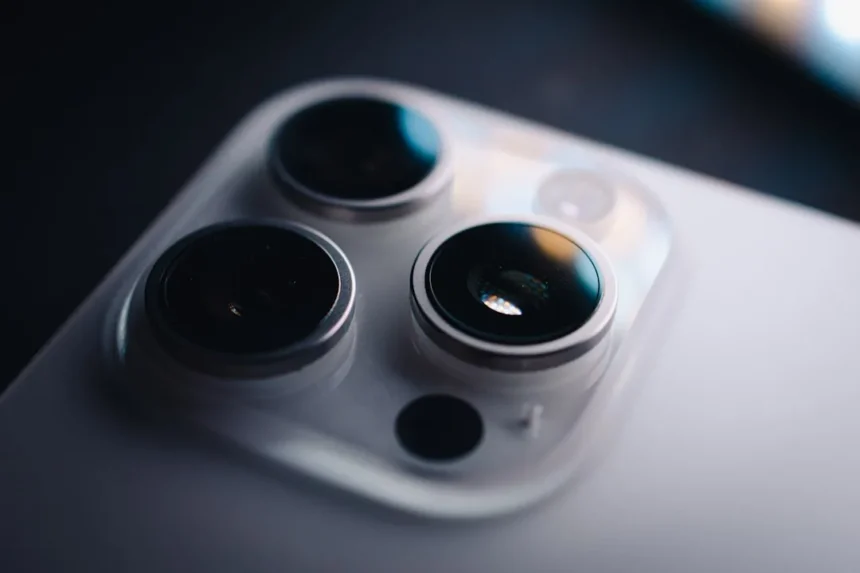
The iPhone 18 Pro camera is shaping up to be a disappointment if rumors prove accurate. After a decade of meaningful sensor improvements—from the iPhone 4S’s jump to 8MP video recording to the iPhone 14 Pro’s transformative 48MP sensor upgrade—the iPhone 18 Pro appears poised to retain its current design entirely, complete with the same large camera bump and three-lens array that debuted years ago.
Key Takeaways
- iPhone 18 Pro camera rumored to keep current design with large bump and three-lens setup
- iPhone 14 Pro introduced 48MP sensor with 1.65x larger area than prior generation
- iPhone 17 expected to gain 24MP front camera, doubling current 12MP resolution
- iPhone 18 Pro may launch early, with base model arriving months later
- Historical upgrades show pattern of major sensor or feature leaps every few years
What iPhone 18 Pro Camera Design Tells Us
The rumored stagnation in iPhone 18 Pro camera hardware stands in stark contrast to Apple’s historical approach. The iPhone 18 Pro is expected to maintain the same large camera bump and three-camera lens array without meaningful redesign. This represents a significant shift in Apple’s upgrade cycle, which has historically delivered tangible improvements every generation or two.
Consider the progression: the iPhone 3GS added video recording as a major feature. The iPhone 4S doubled down on image quality with an 8MP sensor. Then came the iPhone 14 Pro, which introduced a 48MP main sensor—a sensor 1.65x larger in area than its predecessor. These were not cosmetic tweaks. They were architectural changes that fundamentally altered what the iPhone could capture. The iPhone 18 Pro camera, by contrast, appears to offer none of that.
The Front Camera Gets Attention Instead
If the rear camera is stalling, Apple seems to be investing elsewhere. The iPhone 17 series is rumored to feature a 24-megapixel front-facing camera, doubling the resolution of the current 12MP TrueDepth cameras. This upgrade targets video calls and selfies—practical improvements for the majority of users—but it also signals where Apple’s camera priorities actually lie for the next cycle.


The shift is telling. Professional photographers and enthusiasts obsess over rear camera sensors. General consumers use front cameras constantly. By prioritizing the selfie camera for iPhone 17, Apple suggests it understands where the real-world demand is. Yet the iPhone 18 Pro camera rumors imply a retreat from that momentum.
Launch Timeline Adds Confusion
Complicating the picture is Apple’s rumored launch strategy. The iPhone 18 Pro is expected to arrive early, potentially in early 2027, while the base iPhone 18 model may launch months later. This staggered approach is unusual for Apple and raises a question: if the Pro camera is not advancing significantly, why rush it to market ahead of the standard model?



The answer may lie in pricing and positioning. Without a camera upgrade to justify the Pro premium, Apple needs other differentiators—processor speed, memory, exclusive software features. Launching the Pro first keeps it in the spotlight longer and maintains the perception of exclusivity, even if the camera hardware is essentially unchanged.
Historical Context: How Far iPhone Cameras Have Come
The trajectory of iPhone camera development has been one of consistent, sometimes dramatic improvement. The iPhone 4S’s 8MP sensor was a leap forward. The introduction of video recording on the iPhone 3GS transformed the device from a phone into a multimedia tool. Each major upgrade addressed a genuine limitation or opened a new capability.
The iPhone 14 Pro’s 48MP sensor was the most recent flagship moment. It represented years of sensor engineering and promised professional-grade image quality in a phone. By that standard, the iPhone 18 Pro camera’s rumored lack of change feels like stagnation—a year where Apple is coasting on yesterday’s innovation.
Is the iPhone 18 Pro Camera Worth Waiting For?
If you own an iPhone 14 Pro or newer, the answer is probably no. The rumored iPhone 18 Pro camera offers no meaningful hardware advantage. If you have an iPhone 13 Pro or older, the 48MP sensor in a newer model would still represent a meaningful upgrade, but that upgrade is already available in the iPhone 15 Pro and iPhone 16 Pro at lower prices. Waiting for the iPhone 18 makes sense only if you value the processor or other non-camera features.


What happened to iPhone camera innovation?
The iPhone 18 Pro camera rumors suggest Apple may be hitting a plateau in smartphone camera hardware. Sensor technology is mature. Computational photography—the software side—now delivers more improvement than raw megapixels. Apple may be signaling that the camera hardware race is over and that future gains come through AI and processing, not sensor engineering.
Will the iPhone 18 Pro camera be better than the iPhone 17 Pro?
Based on current rumors, no meaningful difference is expected in rear camera hardware between iPhone 17 Pro and iPhone 18 Pro. Both are rumored to retain the same three-lens design and large bump. Any improvements would be computational or software-based, not hardware-based. The iPhone 17’s 24MP front camera represents the more significant upgrade for the next cycle.
The iPhone 18 Pro camera story is ultimately a story of Apple choosing stability over innovation. After years of steady sensor improvement, the company appears ready to declare the smartphone camera hardware race complete. Whether that signals confidence in current technology or exhaustion of the upgrade cycle remains to be seen. What is clear is that if you care about camera hardware, the iPhone 18 Pro is not the generation to wait for.
Where to Buy
Edited by the All Things Geek team.
Source: T3