





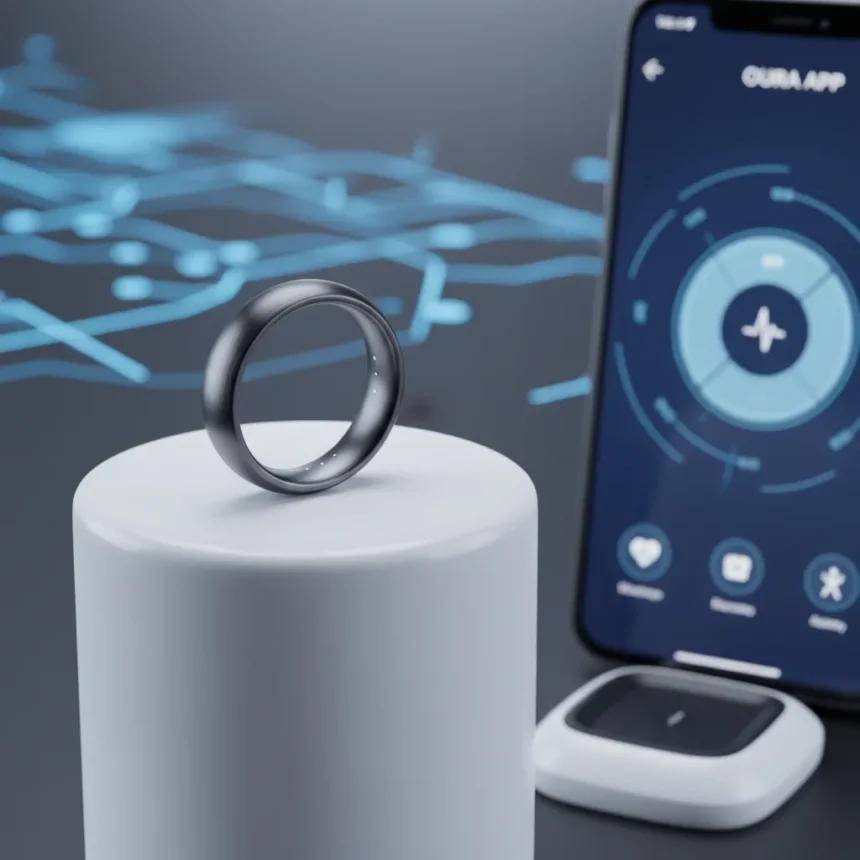
The Oura Ring 5 has officially launched as what the company describes as the world’s smallest smart ring, marking a significant step forward in wearable health technology. Unlike previous generations that focused primarily on hardware improvements, this iteration combines a smaller physical form factor with new app features available to all members, not just those upgrading to the latest hardware.
Key Takeaways
- Oura Ring 5 is marketed as the world’s smallest smart ring currently available
- The launch includes seven major upgrades split between hardware and new app features
- Several new app features are available to all existing Oura members, regardless of ring generation
- The device represents a shift toward software enhancements alongside physical refinement
- The upgrade path benefits both new buyers and current members with feature access
What Makes the Oura Ring 5 Stand Out
The Oura Ring 5 distinguishes itself through a design philosophy that prioritizes compactness without sacrificing sensor capability. The claim of being the world’s smallest smart ring is the headline novelty—a tangible improvement over competitors like Samsung’s Galaxy Ring and Ultrahuman’s offerings, which have traded compact design for larger battery capacity or additional sensors. Oura’s approach here suggests the company believes users value discreet wearability as much as extended battery life, a positioning that directly challenges the current smart ring market’s emphasis on bigger batteries.
The device’s smaller footprint matters practically. Smaller rings mean better fit consistency across finger sizes, fewer sizing exchanges, and less noticeable presence during daily wear. For users who previously found Oura’s earlier rings slightly bulky or uncomfortable during sleep—when the device collects its most valuable data—the Ring 5’s reduction in size could be the deciding factor to upgrade or switch platforms.
Seven Upgrades: Hardware and Software Combined
The seven upgrades Oura is highlighting mix both physical improvements and new app-level features. This dual-layer approach is significant because it means existing members gain functionality without purchasing new hardware. New app features available to all members represent a shift away from the traditional smart ring model, where generational upgrades lock features behind hardware purchases.


By decoupling software features from hardware generations, Oura is signaling confidence in its existing user base’s devices while creating upgrade incentives for newer buyers. The Ring 5’s smaller size alone may be enough to drive upgrades among users dissatisfied with earlier models’ fit, but the addition of features that benefit all members—even those keeping their Ring 4 or earlier—softens the pressure to upgrade immediately. This strategy keeps the entire Oura ecosystem engaged and reduces the perception that older rings become obsolete the moment a new model launches.
Oura Ring 5 vs. the Competition
Oura faces intensifying competition from Samsung’s Galaxy Ring, which launched with Samsung’s ecosystem integration advantage, and Ultrahuman’s luxury positioning with its 18k gold and platinum variants. The Galaxy Ring’s main selling point is seamless Android integration and Samsung Health ecosystem connectivity, while Ultrahuman targets premium buyers willing to pay for luxury materials and extended battery life claims.



The Oura Ring 5’s emphasis on smallest size and member-inclusive features takes a different angle. Rather than competing on ecosystem lock-in or luxury materials, Oura is betting on design minimalism and inclusive software updates. This positioning works well for users who prioritize comfort and data privacy over brand ecosystem integration, but it leaves Oura vulnerable if competitors achieve comparable size reductions while maintaining larger batteries or adding new sensors.
Who Benefits Most From the Oura Ring 5
Existing Oura members benefit immediately from new app features, even without upgrading hardware. This creates a win-win: members feel valued, and Oura maintains engagement across its user base. New buyers get the smallest ring available plus access to the full feature set, making the entry point more attractive than ever.
Users switching from competitors like Samsung’s Galaxy Ring or Ultrahuman’s models will notice the size difference first. If wearability and comfort were pain points with previous smart rings, the Ring 5’s compact design alone justifies the switch. The new app features sweeten the deal by showing Oura is actively developing its software platform, not resting on hardware alone.
What This Means for the Smart Ring Market
The Oura Ring 5’s launch signals that the smart ring category is maturing beyond pure hardware specs. Battery life, sensor count, and ecosystem integration still matter, but user experience—particularly how a device feels on the finger—is becoming a competitive differentiator. Oura’s decision to include software features for all members also suggests the company sees long-term value in keeping its entire installed base engaged, not just recent buyers.



This approach could pressure competitors to rethink their upgrade models. If Ultrahuman and Samsung continue locking features behind hardware purchases while Oura opens features to existing members, Oura gains a loyalty advantage. However, if competitors can match or exceed the Ring 5’s size while maintaining superior battery life or additional sensors, Oura’s size advantage alone may not be enough to maintain market leadership.
Is the Oura Ring 5 worth upgrading to?
If you own an earlier Oura ring and the new app features address a gap in your current experience, upgrading is optional—you gain the features without new hardware. If you find your current ring uncomfortable due to size or fit, the Ring 5’s smaller form factor makes upgrading worthwhile. New buyers should choose the Ring 5 over earlier models simply because it is the latest hardware with the smallest available footprint.
How does the Oura Ring 5 compare to Samsung’s Galaxy Ring?
Both are premium smart rings, but they target different priorities. The Galaxy Ring emphasizes Android ecosystem integration and Samsung Health connectivity, while the Oura Ring 5 prioritizes compact design and member-inclusive software updates. Your choice depends on whether you value ecosystem lock-in or design minimalism more.
Will earlier Oura rings still work after the Ring 5 launches?
Yes. Existing Oura members can continue using their current rings and will gain access to new app features even without upgrading hardware. Oura’s approach ensures backward compatibility across its user base rather than forcing immediate upgrades.
The Oura Ring 5 represents a maturation of the smart ring category, where size, comfort, and inclusive software updates matter as much as raw specs. For Oura members, the launch is good news regardless of whether you upgrade—your existing device gains new capabilities. For potential buyers, the Ring 5 sets a new standard for what a daily-wear health tracker should feel like on your finger.
Where to Buy
Edited by the All Things Geek team.
Source: TechRadar




