




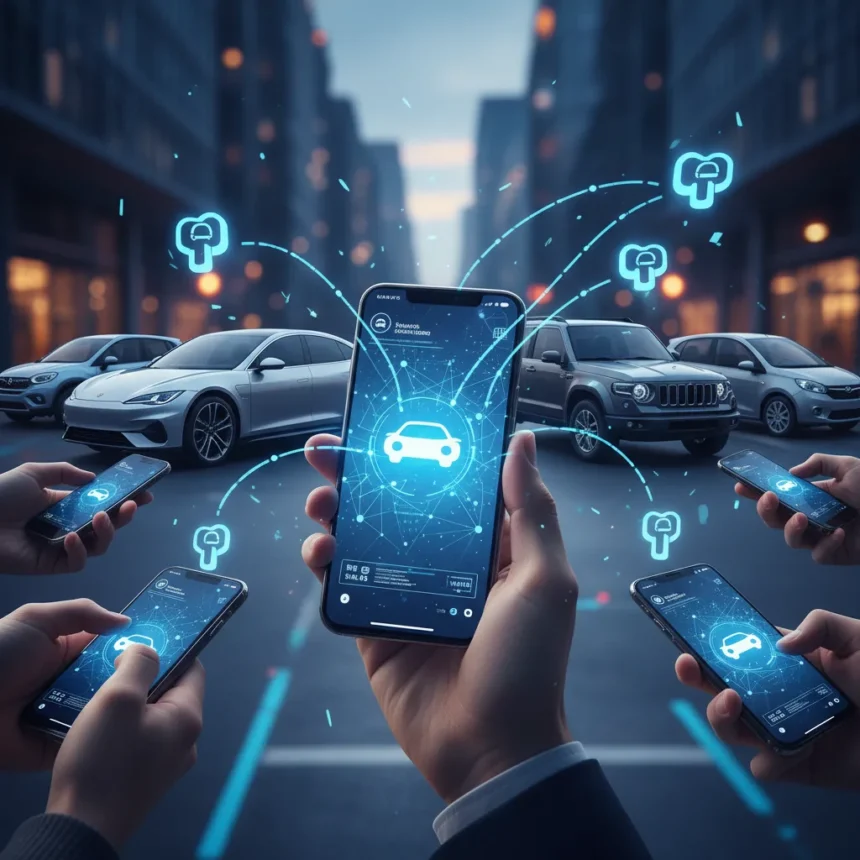
Digital car key sharing is reshaping how vehicle owners grant access to trusted contacts, and Google’s latest Android updates are accelerating the shift from physical fobs to smartphone-based solutions. The feature eliminates the need to hand over car keys to family members, friends, or service providers—instead, owners can share unlock codes directly through their phones.
Key Takeaways
- Digital car key sharing lets owners grant vehicle access without exchanging physical keys
- The feature is already widely available across Europe on compatible Android and Samsung devices
- Hyundai, Genesis, and Kia models in the US, Canada, and Korea now support the technology
- Pixel 7 Pro and Samsung S23+ phones are among compatible devices for the feature
- Google has bundled the update with other in-car features including Webex and Zoom integration
How Digital Car Key Sharing Works in Practice
Digital car key sharing operates through three distinct access modes—Passive Entry, Proximity, and full remote unlocking—giving owners flexible control over how much access they grant. Owners can unlock vehicles using their phone without physically touching the car, and they can revoke access instantly from their device if needed. This differs fundamentally from physical key exchange, where control ends once the key leaves your hand.
The system works across Android’s ecosystem through Google-built-in vehicles, which integrate with compatible infotainment systems. When an owner shares a digital key with a trusted contact, that person receives the unlock capability on their compatible phone. The granular permission model means owners can set time limits or restrict which functions—locking, unlocking, or trunk access—each person receives.
Where Digital Car Key Sharing Is Available Today
Europe leads adoption, with the feature already widely available across the region on compatible phones. In North America and Asia, the rollout is more selective. Hyundai, Genesis, and Kia models in the US, Canada, and Korea now support digital car key sharing through Google’s updated Android Auto platform. Pixel phones and Samsung devices, including the Pixel 7 Pro and Samsung S23+, are among the compatible handsets driving early adoption.


This staged rollout reflects the complexity of integrating digital keys across different automakers, regional regulations, and phone ecosystems. Owners in regions outside the initial rollout should expect the feature to expand gradually as more manufacturers certify their vehicles and as older phone models receive compatible software updates.
Digital Car Key Sharing vs. Apple’s Competing Approach
Google’s digital car key strategy mirrors Apple’s Car Key system, which lets iPhone and Apple Watch users unlock compatible vehicles. Both ecosystems aim to eliminate the physical key entirely, but they operate in separate walled gardens—an iPhone owner cannot unlock a car through an Android phone, and vice versa. Apple’s system launched first and now includes partnerships with Porsche and other premium brands.



The practical difference lies in ecosystem reach. Android powers roughly 70% of global smartphones, while iOS accounts for the remainder. Google’s broader device base means digital car key sharing could eventually reach more drivers worldwide, though Apple’s tighter integration with luxury automakers gives it a premium market advantage. For now, owners choose based on their phone ecosystem rather than on feature parity—both systems deliver the core benefit of keyless access.
What This Means for Car Sharing and Family Access
The real-world impact extends beyond convenience. Families no longer need to coordinate physical key exchanges when multiple people drive the same car. Parents can grant temporary access to teen drivers and revoke it remotely if needed. Valet services and mechanics can receive time-limited unlock permissions without holding a physical key overnight.
Car-sharing services and rental companies also benefit. Instead of managing thousands of physical keys, operators can issue digital access codes that expire automatically. This reduces theft risk, simplifies inventory management, and creates an audit trail of who accessed which vehicle and when. The implications for fleet management and short-term rental markets are substantial, though widespread adoption depends on automakers integrating the technology across their model lineups.
Why Adoption Remains Fragmented
Despite the obvious advantages, digital car key sharing faces adoption hurdles. Older vehicles lack the necessary hardware to receive wireless unlock signals. Automakers must invest in new infotainment systems and certification processes to support the feature, which slows rollout. Regional regulations around vehicle security vary, forcing Google and manufacturers to customize implementations for different markets.
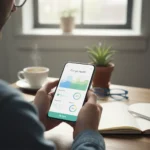

Consumer awareness also lags. Many drivers remain unaware that their phones can replace physical keys, or they distrust the security of wireless systems. Building confidence in digital-only access requires education and time. Until the feature reaches a critical mass of vehicles and users, the physical key will remain the default fallback for most drivers worldwide.
Is digital car key sharing secure?
Digital car key sharing uses the same cryptographic standards that protect mobile payments and banking apps. Owners control exactly who receives access and can revoke permissions instantly through their phone, offering more granular control than physical keys ever provided. However, security depends on the phone’s own security—if someone gains access to your device, they can potentially unlock your car.
Which cars support digital car key sharing right now?
Hyundai, Genesis, and Kia models in the US, Canada, and Korea support the feature through Google’s latest Android Auto updates. European markets have broader support across additional manufacturers. Owners should check their vehicle’s infotainment system and phone compatibility before assuming the feature is available.
Can I share a digital car key with someone on iPhone?
No. Digital car key sharing works only within the same ecosystem—Android users share with Android users, iPhone users with iPhone users. Apple’s Car Key system and Google’s digital key system do not interoperate, though both achieve the same end goal of keyless vehicle access.
Digital car key sharing represents a genuine shift in how vehicle ownership and access work. Google’s rollout, combined with Apple’s parallel efforts, signals that physical car keys are becoming optional rather than essential. As adoption spreads across more automakers and regions, the convenience and security benefits will likely drive consumer demand faster than manufacturers can supply compatible vehicles. For now, the technology works where it is available—and that footprint is expanding steadily.
Edited by the All Things Geek team.
Source: T3