






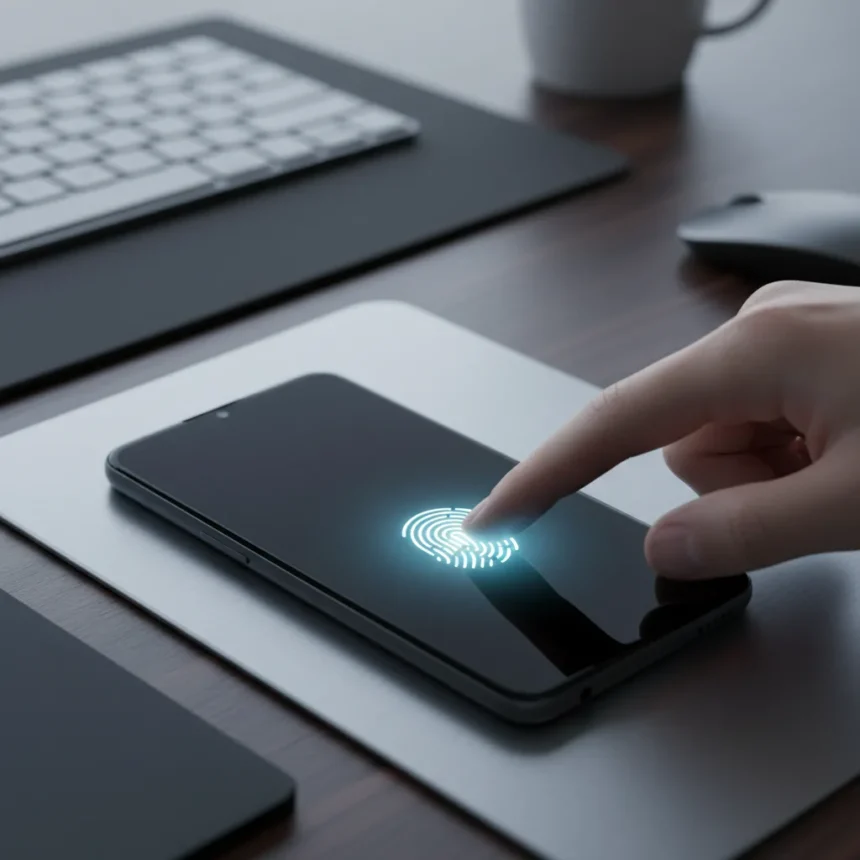
Screen-off fingerprint unlock is a convenience feature that lets you unlock your Pixel device without waking the screen first, and Google appears to have quietly rolled it out to the mid-range Pixel 9a without fanfare. For months, this capability was locked to premium Pixel 9 and 9 Pro models, leaving budget-conscious buyers wondering why their hardware couldn’t handle the same trick. Now, Reddit users are reporting the feature works on their Pixel 9a units, suggesting Google has silently expanded support beyond its original flagship-only boundaries.
Key Takeaways
- Screen-off fingerprint unlock lets you scan and unlock without displaying the screen first
- Feature debuted in Android 16 Developer Preview 2 and was restored in QPR2 updates
- Pixel 9a users report it working despite optical sensors, previously thought incompatible
- Toggle found in Settings > Security & privacy > Device unlock > Fingerprint Unlock
- Older Pixels like the 8 Pro show the toggle but it remains non-functional
What Is Screen-Off Fingerprint Unlock?
Screen-off fingerprint unlock eliminates the need to tap your display or press a button before scanning your finger. Instead, you place your finger directly on the sensor when the screen is completely dark, and the device unlocks to your last app or home screen. Google’s own description calls it straightforward: use fingerprint unlock even when the screen is off. The feature works by briefly illuminating the sensor or using vibration feedback to confirm detection, then processing the scan in the background.
This differs from the older workaround of enabling an Always-On Display (AOD), which kept a dim clock visible at all times and drained battery faster. Screen-off mode achieves the same convenience without the constant power drain, making it genuinely useful for daily unlocking.
Why Pixel 9a Support Is Surprising
The Pixel 9a uses an optical fingerprint sensor—the kind that relies on light to capture a fingerprint image—whereas the premium Pixel 9, 9 Pro, and 9 Pro XL use ultrasonic sensors that work without light. Ultrasonic sensors can scan through darkness, which is why Google initially restricted screen-off mode to those flagships. Optical sensors, by contrast, were thought to require the display on to function properly.



Yet recent reports show the feature now works on the Pixel 9a despite its optical hardware. This suggests either Google has optimized the optical sensor algorithm, or the hardware is more capable than initially assumed. The absence of an official announcement makes it impossible to know whether this is intentional or a side effect of broader Android 16 updates.
How to Enable Screen-Off Fingerprint Unlock on Pixel 9a
If you own a Pixel 9a and want to try the feature, the setup is simple. Open Settings, navigate to Security & privacy, then Device unlock, and tap Face & Fingerprint Unlock. From there, select Fingerprint Unlock and toggle on Screen-off Fingerprint Unlock. The feature should be available if your device has received the latest Android 16 updates.



To use it once enabled, place your finger on the sensor area at the bottom-middle of the display. Press firmly, starting with your finger centered, then adjust slightly for the edges and tips. The sensor will light up or vibrate to confirm detection. With the screen off, you can unlock directly without any wake gesture, making it faster than traditional fingerprint scanning.
The Quiet Rollout Question
Google has not issued a press release or official statement about expanding screen-off fingerprint unlock to the Pixel 9a. The feature appears to have arrived through Android updates without marketing fanfare, which is unusual for a capability that improves user experience. Older Pixels like the Pixel 8 Pro show the toggle in settings but the feature remains non-functional, suggesting Google is selectively enabling it rather than rolling it out universally.
This quiet approach leaves questions unanswered: Is the Pixel 9a the only mid-range device receiving the feature, or are other models getting it too? Will Google eventually announce this as an official capability, or does it prefer to let users discover it organically? Without an official statement, users are learning about the feature through community reports rather than official channels.
What About Older Pixels?
If you own a Pixel 8, 8 Pro, or earlier models, the screen-off fingerprint unlock toggle may appear in your settings menu but will not function. These devices use optical sensors and have not received the necessary software updates to support the feature. Google has not indicated whether older Pixels will ever gain this capability, so upgrading to a Pixel 9 series device remains the only guaranteed path to screen-off unlocking.

Is Screen-Off Fingerprint Unlock Available on Your Pixel 9a?
The feature is available on Pixel 9a units that have received Android 16 QPR2 updates or later. Not all Pixel 9a devices may have the feature active yet, as rollouts can be staggered by region and carrier. Check your settings to see if the toggle is present and functional on your device.
Why Did Google Stay Quiet About This?
Google’s silence likely stems from the feature’s unexpected availability on optical sensors. If the company initially certified screen-off mode only for ultrasonic hardware, quietly enabling it on optical sensors without a formal announcement allows Google to test stability before making a public commitment. It also avoids the awkwardness of explaining why the Pixel 9a—a budget phone—now matches a capability once exclusive to premium models.
Screen-off fingerprint unlock on the Pixel 9a is a genuine convenience feature that works in practice, even if Google refuses to acknowledge it officially. If you have a Pixel 9a and the toggle appears in your settings, enable it and enjoy faster unlocking without the screen-wake delay. For those on older Pixels, this quiet rollout is a reminder that hardware matters—optical sensors have their limits, and Google’s reluctance to advertise the feature suggests they are still working out the reliability kinks.
Edited by the All Things Geek team.
Source: Android Central