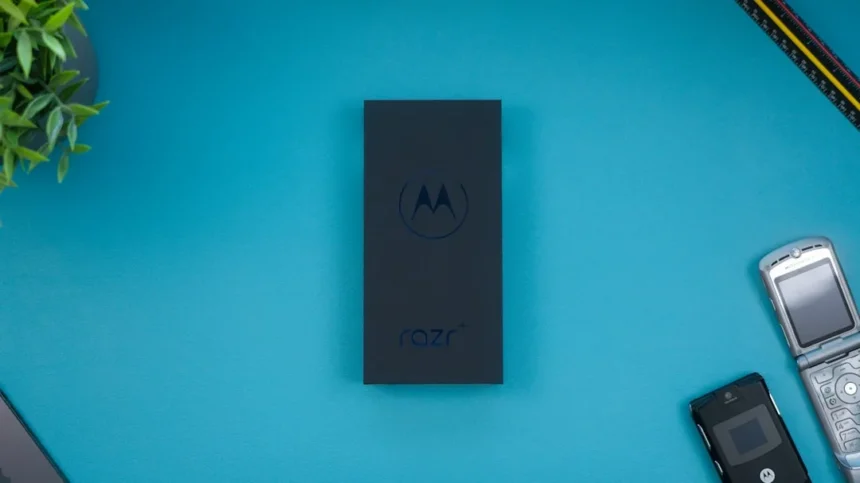
The Motorola Razr Ultra 2026 is a premium foldable phone made by Motorola, priced at $1,500 USD, arriving as renders leaked in March 2026 revealed a controversial hardware design change that has divided early opinion. After months of speculation, hands-on coverage from April 2026 confirms the device exists—but also exposes why the pricier Razr Fold at $1,899 might be the smarter choice for most buyers.
Key Takeaways
- Motorola Razr Ultra 2026 costs $1,500 with a controversial design change sparking debate
- Features a silicon-carbon battery described as a beast in hands-on impressions
- Leaked renders in March 2026 revealed the hardware shift before official announcement
- Positioned against Samsung Galaxy Z Flip 6 in the premium foldable category
- Hands-on reviewers preferred the Razr Fold variant despite its higher $1,899 price
The Design Controversy That Made Headlines
The Motorola Razr Ultra 2026 generated immediate controversy when renders surfaced in March 2026, revealing a significant hardware design change that departed from what many expected. The exact nature of this shift remains partially obscured in early coverage, but the backlash was swift enough to cement the device’s status as one of 2026’s most debated foldables before it even shipped. This kind of pre-release polarization rarely happens by accident—it suggests Motorola made a bold choice that pleases some users while alienating others.
What makes this particularly telling is that the hands-on impressions from April 2026 didn’t fully resolve the debate. Instead, reviewers noted the device’s silicon-carbon battery innovation, which they described as a beast in terms of capacity and performance. But even with that hardware strength, early testers found themselves gravitating toward the Razr Fold, the book-style foldable in the family priced at $1,899. When a more expensive variant outshines a cheaper one in user preference, it signals a fundamental imbalance in the product line.
Battery Innovation Can’t Carry the Whole Package
The silicon-carbon battery is genuinely noteworthy. This technology allows for denser energy storage in the same physical space, and Motorola has clearly invested in making it a centerpiece of the Razr Ultra 2026 experience. For power users who demand all-day endurance without compromise, this is a real strength. The battery-first design philosophy shows engineering intent rather than marketing theater.


Yet a powerful battery does not fix fundamental design choices that reviewers found questionable. The controversial hardware change appears to have shifted trade-offs in ways that benefit longevity or manufacturing but not daily usability. This is a common pattern in foldable design: engineers optimize for durability or cost, but the user experience suffers in ways that reviewers can feel but struggle to articulate until they spend time with the device. The Motorola Razr Ultra 2026 seems to fall into that trap.
Motorola Razr Ultra 2026 vs. Samsung Galaxy Z Flip 6
The Motorola Razr Ultra 2026 competes directly with Samsung’s Galaxy Z Flip 6 in the compact foldable space. Both devices target users who want a phone that folds vertically into a pocket-sized footprint, and both command premium pricing. Samsung has years of foldable refinement, a mature software ecosystem, and brand trust that comes from multiple generations of Galaxy Z Flip devices.



Motorola is the scrappier challenger here. The Razr brand carries nostalgic weight for older users, and Motorola has proven it can innovate in foldable design. The silicon-carbon battery is a concrete advantage that Samsung’s Z Flip 6 does not match. But innovation in one component does not guarantee a better overall product. If the controversial design change undermines the folding experience, durability, or everyday handling, then the battery advantage becomes a consolation prize rather than a significant shift.
Why the Razr Fold Steals the Show
The real story here is that Motorola’s own Razr Fold, priced at $1,899, emerged as the preferred device in hands-on testing. This book-style foldable with a larger unfolded screen represents a different design philosophy—one that reviewers found more compelling despite the $400 premium. This preference suggests that Motorola’s engineering decisions for the Razr Ultra 2026 may have prioritized certain metrics (battery density, perhaps, or manufacturing efficiency) at the expense of the user experience that matters most in daily use.
The Razr Fold’s success also hints at a broader market truth: the foldable market is fragmenting. Compact clamshell devices like the Razr Ultra 2026 appeal to a specific user—someone who values portability and nostalgia. Book-style foldables appeal to users who want maximum screen real estate. Motorola now offers both, but the controversial Razr Ultra 2026 stumbles in its category while its pricier sibling thrives. That is a damning product line outcome.
Should You Buy the Motorola Razr Ultra 2026?
The Motorola Razr Ultra 2026 at $1,500 is a hard sell. The silicon-carbon battery is impressive, and the clamshell form factor appeals to a real audience. But the controversial design change that generated so much early debate suggests Motorola made compromises that reviewers ultimately found unjustifiable. If you love the Razr aesthetic and demand maximum battery life, this device has your name on it. Everyone else should spend the extra $400 on the Razr Fold or explore Samsung’s Galaxy Z Flip 6, both of which deliver more balanced experiences.



What is the controversial design change in the Razr Ultra 2026?
The exact nature of the controversial hardware change remains unclear from early coverage, but renders leaked in March 2026 revealed a significant departure from expectations that sparked immediate debate. Motorola has not publicly detailed what changed or why, leaving early adopters and reviewers to speculate based on hands-on impressions and design renders.
How does the Motorola Razr Ultra 2026 battery compare to the Razr Fold?
The Razr Ultra 2026 features a silicon-carbon battery described as a beast in capacity and performance. While specific capacity figures are not detailed in early coverage, this technology allows denser energy storage than traditional lithium-ion. The Razr Fold’s battery specifications have not been directly compared in available hands-on reviews.
Is the Motorola Razr Ultra 2026 worth $1,500?
For most buyers, no. The silicon-carbon battery and clamshell design are genuine strengths, but the controversial hardware change undermines the overall experience enough that reviewers preferred the pricier Razr Fold. At $1,500, the Motorola Razr Ultra 2026 asks you to accept design compromises that a competing device in Motorola’s own lineup does not impose. Save the money or spend the extra $400 on something more refined.
The Motorola Razr Ultra 2026 is a reminder that premium pricing and innovative components do not guarantee a compelling product. Motorola took a bold design risk, and early evidence suggests it did not pay off. The silicon-carbon battery is a genuine achievement, but it cannot overcome the fundamental imbalance that made reviewers reach for the Razr Fold instead. In a market where foldables are still finding their footing, playing it safe with proven design principles often beats swinging for the fences.
Edited by the All Things Geek team.
Source: Tom's Guide