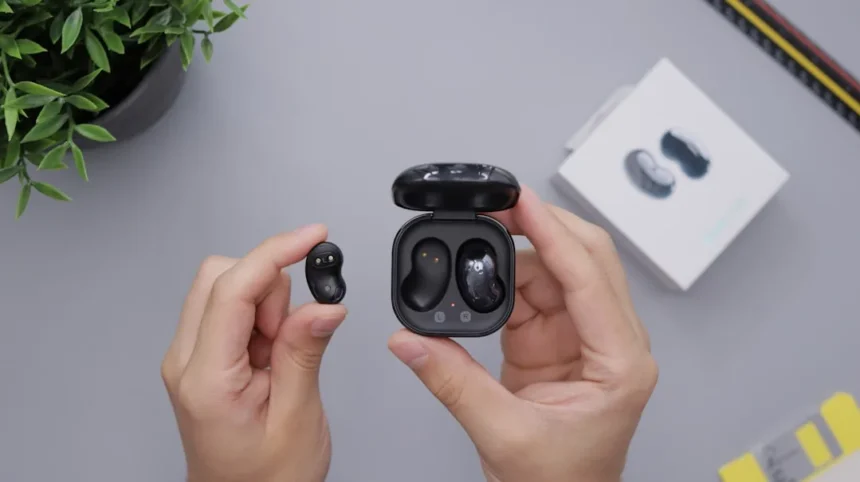
Samsung Galaxy Buds Able is a rumored open-ear earbud model with a clip-on design that may use bone conduction technology, discovered in One UI firmware by leaker SammyGuru and referenced in Galaxy Wearable app code. The leaked design represents a significant departure from Samsung’s traditional in-ear silicone-tipped Galaxy Buds lineup, positioning the company to enter a niche but growing market for situational-awareness audio.
Key Takeaways
- Samsung Galaxy Buds Able features a clip-on open-ear design that attaches to your ear without blocking the ear canal.
- Model number SM-U600 differs from standard Galaxy Buds (SM-Rxxx), indicating a new product category.
- Design resembles competitors like Sony LinkBuds Clip and Anker Soundcore AeroClip.
- Rumored launch alongside Galaxy Z Fold 7 in July 2025, with Samsung expected to produce 1.7 million units in 2025.
- Open-ear design enables ambient awareness for runners and cyclists while potentially benefiting users with hearing impairments.
What the Samsung Galaxy Buds Able design actually shows
The leaked icon for Samsung Galaxy Buds Able reveals a clip-on form factor with two dome-like shapes, possibly housing microphones with a grille on one side. This architecture stands apart from Sony LinkBuds Clip and Anker Soundcore AeroClip—both existing open-ear competitors—in that Samsung’s design hints at bone conduction capability rather than traditional speaker-based audio delivery. The model number SM-U600 (or SM-Uxxx series) confirms this is not a variant of existing Galaxy Buds but an entirely new product category.
The clip-on mechanism allows the earbuds to attach without entering the ear canal, preserving ambient sound awareness during outdoor activities like running or cycling. This design choice addresses a fundamental limitation of in-ear models: they isolate you from your surroundings, which can be unsafe or uncomfortable during exercise. For users with hearing impairments, open-ear bone conduction could provide an alternative to traditional hearing aids.
Samsung Galaxy Buds Able vs. existing open-ear alternatives
Samsung would enter a market currently dominated by niche players. Sony’s LinkBuds Clip and Anker’s Soundcore AeroClip both use open-ear speaker designs that project sound toward the ear without blocking it. However, Samsung’s rumored bone conduction approach—if confirmed—would differ fundamentally: instead of speakers, vibrations travel through bone to the inner ear, bypassing the traditional audio pathway entirely.


This distinction matters. Bone conduction technology remains largely unexploited by major consumer electronics brands, meaning Samsung could establish first-mover advantage in a category where Apple and Google have not yet competed. The trade-off is that bone conduction historically delivers less dynamic range and bass response than speaker-based systems, though the technology has improved significantly. Samsung’s entry could legitimize bone conduction for mainstream consumers who currently associate it only with specialized hearing devices.
When Samsung Galaxy Buds Able might actually launch
The Samsung Galaxy Buds Able name appears in Galaxy Wearable app code and passed Bureau of Indian Standards (BIS) certification, suggesting real development progress. Leaker Ice Universe claims Samsung’s MX division will release bone-conducting earphones at the Galaxy Z Fold 7 event in July 2025, with production of 1.7 million units expected across the year. However, all details remain unconfirmed—Samsung has made no official announcement, and the codename “Able” may be temporary or a pun on “able to hear”.


The timing aligns with Samsung’s foldable refresh cycle. Pairing new earbuds with flagship hardware launches is standard practice, giving Samsung a platform to introduce the Galaxy Buds Able to a receptive audience. Still, rumors from over a year ago have not materialized into products before, so skepticism is warranted.
Does Samsung Galaxy Buds Able use bone conduction or just open speakers?
The research brief and leaks suggest bone conduction as a possibility, but the leaked design icon alone does not confirm it. The two dome-like shapes could house microphones, speakers, or bone conduction drivers—the visual alone is ambiguous. Samsung may be developing two separate products, or the final design may differ entirely from the leaked icon.
Who should care about Samsung Galaxy Buds Able?
Open-ear earbuds appeal to runners, cyclists, and outdoor workers who need situational awareness while listening to music or taking calls. They also interest users with hearing loss who find traditional in-ear models uncomfortable or ineffective. If Samsung prices the Galaxy Buds Able competitively within its existing Galaxy ecosystem, the product could attract users already invested in Samsung phones and wearables.
The Samsung Galaxy Buds Able remains a rumor, but the leaked design and certification evidence suggest Samsung is serious about entering the open-ear audio market. Whether the company chooses bone conduction, speaker-based sound, or a hybrid approach, the move signals recognition that not every listener wants earbuds blocking their ear canals. If the July 2025 launch timeline holds, we will have answers soon—and Samsung could force competitors like Sony and Anker to rethink their open-ear strategies.



Edited by the All Things Geek team.
Source: Android Central